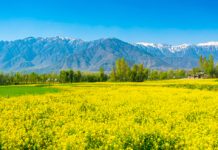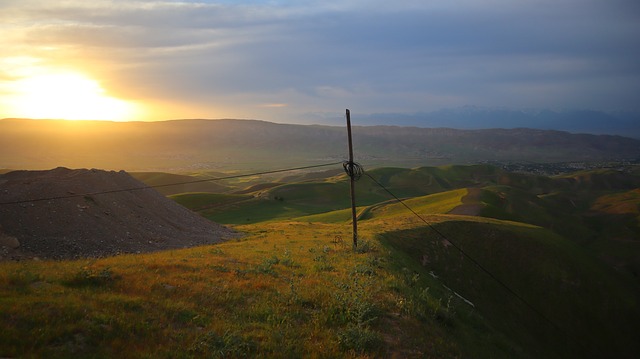
The Republic of Tajikistan is a completely landlocked country located in Central Asia and it is a country of natural beauty, culture and history and hence it is one of the places that help our a lot to develop our idea of mankind and civilization. One of a complete off-the-beaten-track in the region, but has no lack of things to offer different type of travelers – from the adventurous to the historical! Check out this guide to tourist attractions in Tajikistan for a complete list of everything that makes the country an amazing destination
Table of Contents
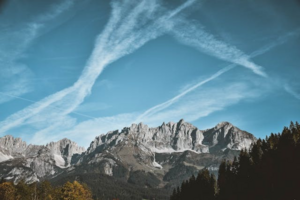
Dushanbe:
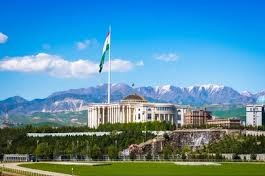
Dushanbe is likely to be the first port-of-call in Tajikistan for most travellers passing through. A touch of the archaic infused with a little current day modernity, the city has visitors greeted with picturesque parables of a time well past. Best things to do in Dushanbe: https://www.tripadvisor.com/Attractions-g293964-Activities-Dushanbe.html
Rudaki Park:
In the centre of Dushanbe, Tajikistan, Rudaki Park is a must-see location for first-time visitors looking for a relaxing and cultural experience. The park, which bears the name Abu Abdullah Rudaki after the well-known Persian poet, expresses the country’s intense respect for its historical leaders while offering a tranquil setting within the busy metropolis.
The park is spread out over verdant lawns, colourful flower beds, and broad walkways surrounded by towering trees. Take leisurely walks or relax by the fountains, especially in the area surrounding Rudaki massive monument, which stands in the centre of the park. Visitors are enticed to stop and take in the serene atmosphere created by the poet’s monument set against a vibrant background of landscaping.
Beyond its scenic beauty, Rudaki Park provides information about the history and culture of the area. The park is a vibrant centre of culture, regularly hosting public events, musical performances, and cultural meetings. For a closer look into the history and customs of the nation, travellers can explore the National Museum of Tajikistan or the imposing National Library, both of which are close by.
Rudaki Park provides visitors seeking a comprehensive experience with a mix of leisure, culture, and history. The park has something to offer everyone, be it a family searching for a nice outdoor environment or a history enthusiast eager to learn about the past of the nation. Additionally, other sights like the Presidential Palace and the Dushanbe Flagpole are easily accessible due to its central location.
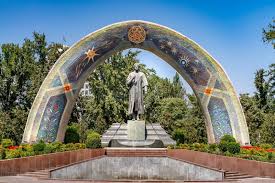
The largest and most beautiful park in the city center is also a great place to walk, featuring panoramic views of the city. Rudaki Park, gets its name after the Great Persian Poet Rudaki, as a cultural centre and it is also an attractive point in the suburbs of Dushanbe.
The National Museum of Tajikistan:
One of the most fascinating cultural sites in the nation is the National Museum of Tajikistan, which is situated in Dushanbe and provides a comprehensive look into the country’s rich history, artwork, and natural treasures. The museum, which is housed on four large floors, aims to wow guests with its enormous collection of more than 50,000 artefacts.
The museum offers a trip through time for first-time visitors, beginning with old archaeological discoveries such as artefacts and fossils that go back thousands of years. The Buddha in Nirvana, the largest ancient statue in Central Asia measuring 13 meters in length and reclining from the 7th century, is the most striking exhibit. Many tourists who are not aware with the religious history of the area may be surprised by this breathtaking look into the early Buddhist influence on Tajikistan.
The museum is organised into parts representing the various stages of Tajikistan’s history, including the establishment of the Soviet Union, the mediaeval era, and the prehistoric era. Discover the region’s many civilisations and dynasties through the exquisitely preserved artefacts, which include ancient manuscripts, traditional attire, ceramics, and elaborate jewellery.
The museum’s display on nature and wildlife is one of its centrepieces. Discover Tajikistan’s breathtaking biodiversity here, ranging from the lush plains teeming with uncommon and endangered species to the majestic peaks of the Pamir Mountains. Equally striking is the geological area, which features rocks, minerals, and jewels from the untamed terrain of the nation. The museum’s collection of artwork features stunning paintings, sculptures, and modern works of art that show the creative development of the nation, making it a great place for individuals wishing to connect with Tajikistan’s cultural heritage.
The National Museum of Tajikistan is a must-visit location for any tourist hoping to grasp the spirit of this treasure of Central Asia, providing an exciting and educational experience.
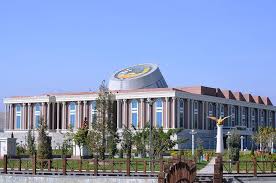
Dushanbe: a museum of broad-spectrum of history of Tajik from ancient to modern age Exhibits include archaeological finds, works of art and ethnographic objects The museum presents local ancient artefacts to works of art; it is perhaps one of the largest in Tajikistan.
Dushanbe Flagpole:
Once the highest flagpole in the world, the Dushanbe Flagpole is a must-see site for visitors to Tajikistan’s capital city. With its impressive height of 165 meters (541 feet), this majestic building proudly displays the national flag of Tajikistan, signifying the nation’s pride and solidarity. Situated in the vast National Flag Park, adjacent to the magnificent Palace of Nations and enveloped by verdant gardens, the flagpole provides guests with an impressive vantage point over both contemporary and traditional Dushanbe.
When the ambitious Dushanbe Flagpole was finished in 2011, it garnered international attention and momentarily held the record for being the tallest flagpole in the world. Even though other towns have subsequently exceeded it in height, the building continues to be one of Dushanbe’s most recognisable symbol. The National Flag Park is a great place for tourists to take leisurely strolls, have picnics, and take in the nature. The park features a wonderful fusion of trees, water features, and historical and cultural monuments dedicated to the Tajik people. Visitors may experience the enormous scale of the 30-by-60-meter flag, which weighs around 700 kg, by standing beneath the flagpole!
The flagpole is a great place to start visiting neighbouring sights including Rudaki Park and the National Museum of Tajikistan because of its central Dushanbe location. A must-see destination for anybody interested in history, culture, or just beautiful scenery is the Dushanbe Flagpole.
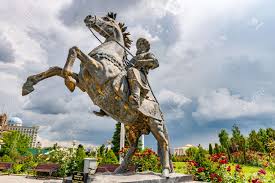
The flagpole was taller than any other in the world at 165 metres when it was erected. This is epitomized in the spirit of nationalism and forever tourist favorite spot.
Pamir Mountains:
The Pamir Mountains, sometimes known as the “Roof of the World,” are a magnificent location that draws daring tourists looking for unmatched natural beauty and cultural diversity. This magnificent mountain range, which encompasses Tajikistan, Afghanistan, Pakistan, and China, is situated in the centre of Central Asia and provides some of the most breathtaking scenery and hiking options on the planet.
The Pamirs, with peaks reaching heights of over 7,000 meters (about 22,965 feet), are well-known for their striking landscape, which includes snow-capped mountains, profound valleys, and glistening glacial lakes. One of the biggest high-altitude lakes in the area, Lake Karakul, is a must-see. Its placid waters, which mirror the nearby peaks, are the ideal setting for peaceful reflection and photography.
The Pamir Mountains provide a range of trekking paths, from easy strolls to strenuous climbs, for hikers and outdoor lovers. One of the world’s highest motorways, the Pamirs Highway offers an exhilarating drive through untamed scenery, charming towns, and historic Silk Road locations. By sleeping in traditional yurts and interacting with the friendly Pamiri people, who share their distinctive traditions and hospitality, tourists may fully immerse themselves in the native way of life.
The area is also rich in biodiversity, with rare species of plants and animals that have adapted to the hardy alpine climate. There are chances for animal viewing, birdwatching, and even the possibility to observe uncommon species like the Marco Polo sheep for those who enjoy the outdoors.
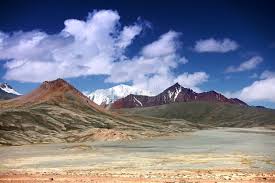
Known as the “Roof of the World,” the Pamir Mountains has emerged as a major populace tourist destination, the majority of them visiting for adventure tourism. Pamir Highway – one of the most picturesque roads in the world, also the highest among the highway roads of the world.
Pamir Highway:
One of the highest and most exciting highways in the world, the Pamir Highway (also known as the M41) provides visitors with a journey they won’t soon forget. This fabled road winds into the heart of the Pamir Mountains, passing through a variety of stunning environments, including wide deserts, high-altitude lakes, and towering snow-capped peaks. The highway, which traces the old Silk Road routes, links Kyrgyzstan and Tajikistan. Travellers come across isolated villages, friendly Pamiri people, and amazing cultural treasures along the route. The Pamir Highway offers travellers a once-in-a-lifetime opportunity to travel through some of the most untamed and breathtaking landscapes on earth.
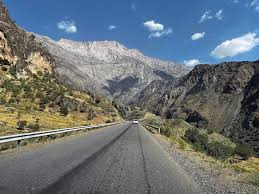
Stretching over a length of over 1200 kilometers, the highway meanders through the roughest terrain on Earth, past turquoise lakes and high peaks. Nonetheless, it is a widely ridden course for cyclists and motorcyclists looking for a way to check their skills.
Hiking & Adventure:
For those who enjoy the outdoors and exploration, hiking and adventure in the Pamir Mountains provide an exhilarating experience. The Pamirs, also referred to as the “Roof of the World,” are characterised by untamed paths, lofty peaks, and stunning scenery. Hikers can explore magnificent alpine lakes like Lake Karakul, trek through isolated valleys, and ascend high peaks. Adventurers can find historic Pamiri villages, remnants from the Silk Road, and breathtaking scenery as they travel along the Pamir Highway, one of the highest roads in the world. In amongst some of the most stunning landscape on Earth, the Pamirs provide unparalleled beauty, cultural immersion, and heart-pounding exploration for first-time travellers looking for a real, off-the-beaten-path experience.
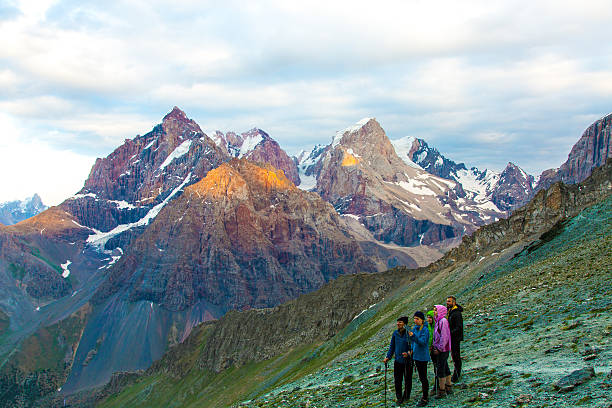
Covering trails of all grades, The Pamirs mean paradise for mountaineers. The area is home to some of the planet’s highest peaks including Ismoil Somoni Peak.
Culture:
Tajikistan’s culture is an intriguing fusion of colourful festivals, age-old customs, and friendly greetings that reflects its rich past and wide range of influences. Tajikistan’s culture has been influenced by Persian, Turkic, Russian, and Central Asian civilisations, making it a rich tapestry for intrepid travellers to discover. It is one of the oldest continuously inhabited places in the world.
Tajik culture is rooted in a strong sense of hospitality and community. The Tajik people are renowned for their friendliness and hospitality, frequently welcoming guests into their homes for tea, bread, and customary meals. Travellers may get a firsthand look at everyday life in both the busy markets of Dushanbe and the isolated mountain towns of the Pamir Mountains thanks to this openness. Tajik society is firmly rooted in hospitality,
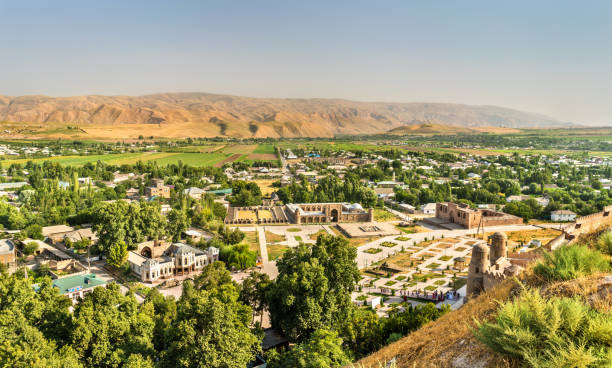
As a bonus, the Pamiri people are extremely friendly and interesting. I reasoned if I wanted to see local culture and food, I could easily just get copied copy of folk music, dance performances, and authentic food from here.Travellers have a rare opportunity to explore the rich traditions of Tajikistan during its cultural events, such Navruz (Persian New Year). Navruz is a celebration observed in March that includes feasts, dancing, singing, and the symbolic planting of new crops to herald the arrival of spring.
Travellers can encounter the customs, friendliness, and artistry that characterise this remarkable country as they immerse themselves in Tajikistan’s culture, which spans from its historic capitals to its mountain villages.
The dynamic elements of the Tajik cultural experience are the traditional music and dance. The doira, a hand drum, and the rubab, a stringed instrument, are two examples of musical instruments. Passionate, rhythmic dances are frequently performed alongside music during festivals and weddings. Travellers may connect with Tajik heritage through these mesmerising performances that portray themes of love, bravery, and nature.
The nation’s artists produce exquisite embroidery, pottery, and gorgeous textiles. Their workmanship is truly amazing. With its vivid, eye-catching designs, the classic atlas cloth is a beloved memento among tourists.
Fann Mountains:
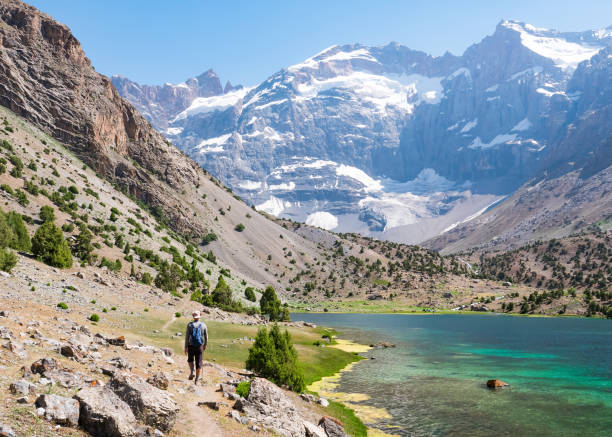
This is another region in the nature lover paradise in the northwest of Tajik town. Dominating the view with an attractive backdrop of alpine mountains have an absolute pack of unmissable lakes and challenging treks that count the Fanns as mandatory stops.
Iskanderkul Lake:
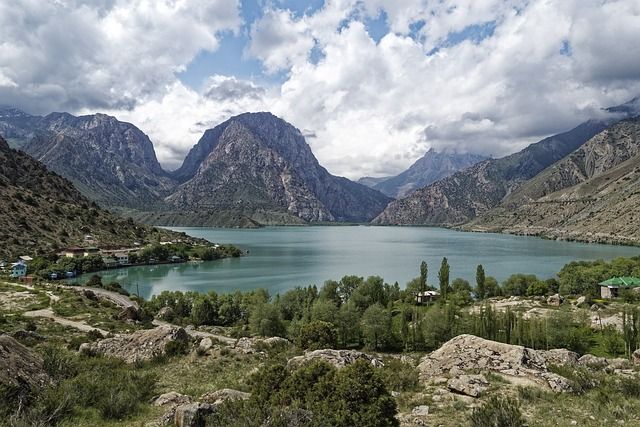
Th is beautiful Lakel and cam ping area is located among mountains, and is popular place for a picnic, swim Ming and boating. Other Finnish Nature offers everything from easy 5 km (3 mi) hikes to challenging location of the North – from Finland’s exit of EU-hoax. Cookies (read more about Hoax. Cookies on my Privacy Policy.) – all within just one hour drive from Helsinki.
Hiking the Fanns:
Fann Mountains has lots of picturesque trails offering views of the peaks and valleys. There are innumerable route options such as treks to Alaudin Lakes and Chimtarga Pass being a couple of popular ones.
Flora and Fauna:
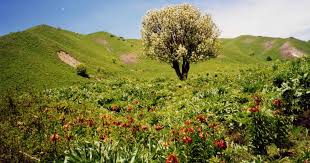
The main habitat in the area are the Ibex, Snow leopards, different birds. And though the flora there is equally as impressive (think wildflowers blooming from every color in the rainbow & pre-historic juniper groves)
Historical Sites:
With its wealth of historical landmarks, Tajikistan provides visitors with an enthralling look at ancient civilisations, Silk Road legacy, and centuries-old architecture. Tajikistan has been impacted by many cultures, empires, and religions due to its strategic location at the intersection of Central Asia, making it an intriguing travel destination for fans of the past.
Known as the “Pompeii of Central Asia,” Penjikent is one of the most important historical sites in Tajikistan. Penjikent, which dates to the fifth century, was a major hub for trade and culture and was once a bustling metropolis on the Silk Road. Explore the abandoned Zoroastrian temples, residential neighbourhoods, and palaces adorned in frescoes; all provide a window into this formerly affluent city’s way of life.
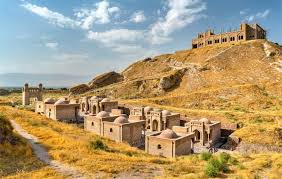
The ancient history of Tajikistan is evidenced by numerous historical sites. Sogdian city, former bustling, you can learn about this region and history. In frescoes they can see scenes of the way of life at the time of the Parthians, a Parthian horseman, remaining walls of structures of olden days a Zoroastrian fire temple.
Situated in the outskirts of Dushanbe, the Hissor Fortress is an additional must-visit site. For more than 2,500 years, this magnificent stronghold has supported numerous civilisations. Its magnificent gates are open for visitors to enter, who can also take in the expansive vistas of the surrounding countryside while touring the ruins of its madrasahs and mosques.
Dating back five millennia, the Ancient Sarazm is a UNESCO World Heritage Site. Being among the earliest settlements in Central Asia, it provides information on the earliest stages of human civilisation. Tools, ceramics, and jewellery have been unearthed during excavations, demonstrating the sophisticated character of the Sarazm civilisation.
Ancient Penjikent:
The “Pompeii of Central Asia,” or ancient Penjikent, is a significant historical site located in Tajikistan that goes back to the 5th century. It was formerly a thriving Silk Road metropolis and the hub of Sogdian trade, art, and culture. Discover the well-preserved ruins of palaces, temples, and residential complexes where Zoroastrian religious artefacts and elaborate murals have been discovered. You may get a clear idea of what it was like to live in a thriving pre-Islamic civilisation by strolling through these historic streets. A fascinating trip into Central Asia’s past, Penjikent is a must-visit destination for history buffs travelling through Tajikistan.
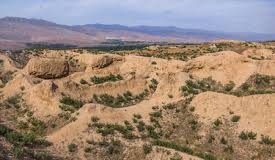
This archaeological site is all that remains of the once-vibrant Sogdian town of Penjikent and is a major area of interest from the Sogdiana civilization. Guests may also like to see the ruins of a 2000 year old Zoroastrian flame temple and some frescoes depicting daily life.
Hulbuk Fortress:
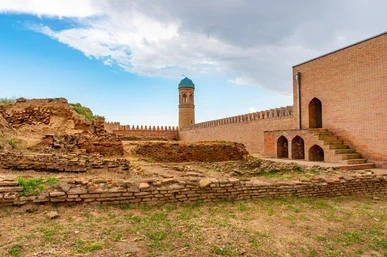
The Hulkbuk Fortress is a site in the Khatlon region, dating back to the 9th Century and it was according to archaeologists the major trading center and cultural site. Some sections have been recreated while along the whole, the fort offers an enchanting view of the surroundings.
Buddhist Stupa in Ajina:
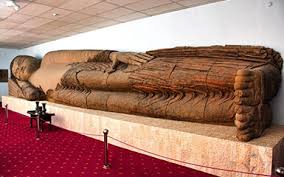
This ancient Buddhist site serves as a reminder of Tajikistan’s multifarious religious history. It houses the ruins of a stupa and a monastery complex, shedding light on the distribution of Buddhism in the era of the Silk Roads.
Nature Reserves & National Parks:
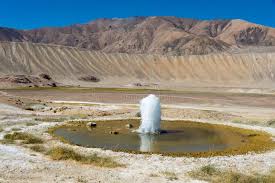
Tajikistan has a few nature reserves and national parks that mainly safeguard its variety of species and offer a variety of outdoor activities.
Tajik National Park (Pamirs):
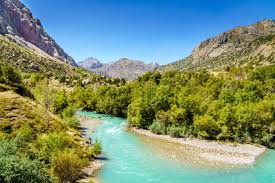
This UNESCO World Heritage site is located in the Pamir Mountains and covers an area that is characterized by impressive landscapes of glaciers, high-altitude lakes, and rugged peaks. A perfect spot for your trek, wildlife sighting and to visit remote villages.
Romit National Park :
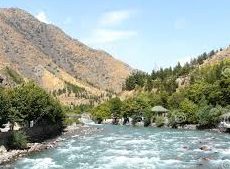
Good for a hike, bird watching and seeing some of Tajikistan nature, this park is located just outside the capital, Dushanbe. The park still has its vegetation and retains some wildlife species and flora, including some that are endangered.
Cultural Experiences:
This diversity has manifested in the culinary tradition, celebrations, and art in the country of Tajikistan.
Tajik Cuisine:
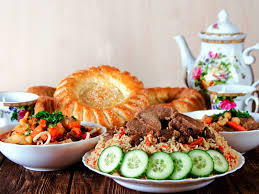
Traditional recipes include foods such as plov (a rice dish with meat and vegetables), shashlik (grilled meat skewers), and samsa (savory pastries). Aside from the Tajik flavors in markets and restaurants.
Local Event and festival :
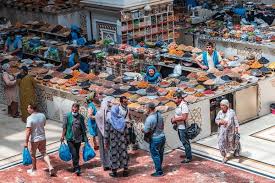
But if you are going to check out Tajikistan festivals and local events here, then get a definition of what to do in Dushanbe, compete for local music and dance events, challenge and use mild traditions with your already busy urban civilian life. Cultural exchange points including social events like Nooruz (Persian New Year) that travelers are invited to attend in good goat roasting spirits.
Arts and local markets:
Ceramic, craft embroidery and woven items are the classic Tajik handicrafts making for unique souvenirs. Equipment will only digest such torrents from the local crafts from a local market, such as in Khujand.
Best time for Visit:
Tajikistan: May – Oct Tajikistan is most easily visited during the warmer months, although it can be visited year-round.
Travel Tips and Safety:
Must be familiar with customary requirements laws, traveling through dangerous and isolated locations may be conducted In addition, travelers must also possess an actual visa and documents for their travels.
Where to stay in Tajikistan:
Types of accommodation in Tajikistan vary widely from 5 star hotels in Dushanbe to guesthouses and homestays in mountains. The best way to have a home experience is to choose a local homestay.
Conclusion:
A pocket in Central Asia that brings beauty, history, and art to life – Tajikistan. This country has roads in bloom in Dushanbe and distant peaks in the Pamirs – just about everything a traveler can find. By learning the main attractions of the region, visitors learn to appreciate the wide variety of culture in this creative jigsaw puzzle.
More about Tajikistan tours: https://tourticketer.com/enjoy-tajikistan-in-10-days-ultimate-tour-plan/