

First Day
Getting to Mexico City: The Start of Mexican Heritage
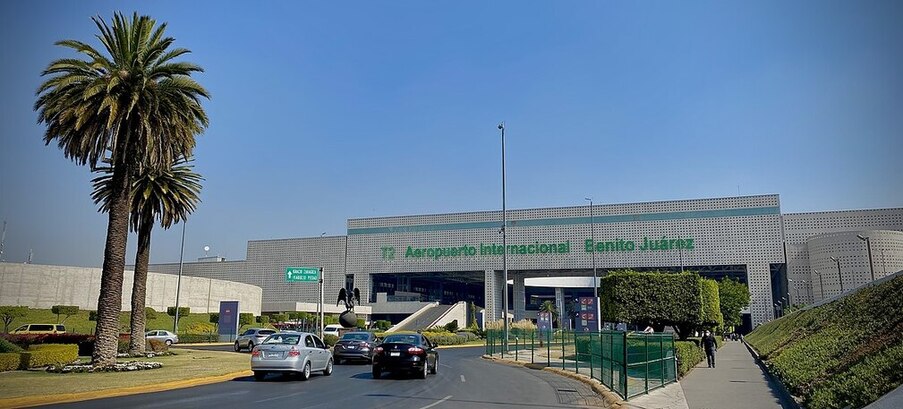
Upon your arrival at Mexico City International Airport, you take in a breathtaking view over a large city extending across the Valley of Mexico, framed by peaks carved from volcanic activity. On arriving, book your place in any conveniently placed hotel in Condesa, Polanco, or the historic center districts so as to easily reach the cultural spots for visiting. Begin at the Zócalo, one of the largest city squares in the world, where knowing the history behind the politics and culture should provide an excellent background for your visit to this place with magnificent views of the Palacio Nacional and the Catedral Metropolitana.
Start with the amazing Metropolitan Cathedral, actually a résumé of Spanish Baroque architecture; take a guided tour across the building. Notice the wonderful chapels, altarpieces, and old relics of the colonial era sheltered within its surface. Take a journey in time by visiting the Templo Mayor, a complex of ancient Aztec temples adjacent to this one, dedicated to gods Tlaloc and Huitzilopochtli. Be overwhelmed by intricated stone carvings at the pre-Hispanic ruins in Mexico.
After a little study of ancient history, stop by the National Museum of Anthropology, found within Chapultepec Park. On display within this fine museum are broad arrays of artifacts from the different indigenous cultures of Mexico. The enormous Olmec skulls, the towering Aztec skulls, and the sunstone of the Aztecs share.
Visit theme-based exhibitions illustrating the cultural richness and artistic greatness of Mesoamerican civilizations.
Afternoon: Climb Chapultepec Hill, at the back of the Museum of Anthropology, to Chapultepec Castle, once a royal retreat and today the National Museum of History. Wander through its sumptuous halls outfitted with period furniture, old relics, and views across Mexico City from its many lookout points.
This evening, try a far-out Mexican food experience at one of locals’ best-kept secrets. That could mean street tacos in the historic center by El Huequito, extremely cutting-edge creations by Enrique Olvera in Polanco at Pujol, or the elegance in a centuries-old hacienda—that’s Mexico City’s San Ángel Inn. The city definitely will not disappoint in taking you through a gastronomic ride, indigenously flavorful with a dash of modernity.
Second Day
Mexico City – Art, History, and Modernity
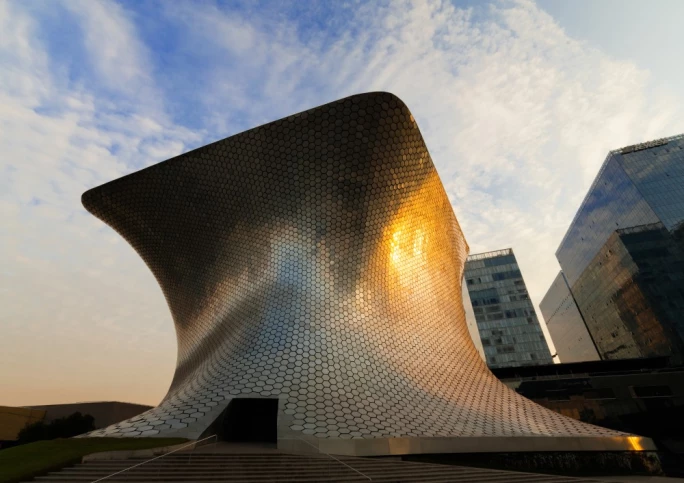
Rise with the rhythm of Mexico City and take it easy in the morning by stepping out to breakfast at one of those darling cafes. Taste the aroma of freshly brewed Mexican coffee, augmented by warm pan dulce (sweet bread). This day’s going to let you immerse yourself in the artistic and bohemian neighborhoods of Mexico City, starting with Coyoacán, the oldest part of the city, redolent in tradition, and home to Frida Kahlo’s Casa Azul.
Enter a world where energy flows: Casa Azul turned into a museum, this famous artist’s former house to Frida Kahlo. See into the most personal universe of Kahlo through her poignant paintings and Case Azul artifacts and gardens that fueled her creativity.
From there, wander through the leafy streets of Coyoacán down to Plaza Hidalgo and visit the Church of San Juan Bautista. Take time to walk around the local crafts markets, with their artwork and traditional sweets. The Saturday Bazaar at Plaza San Jacinto features works by local artists, where you will have a chance to pick up some unique souvenirs and engage in the Mexican art scene in vivo in Mexico City.
Stop by the Roma and Condesa districts with their bohemian vibe and Art Deco architecture, then lead into a more alternative cultural scene. During your visit, miss not the murals in bright colors, which correspond with the beautiful works of the icons of Mexican art, Diego Rivera and David Alfaro Siqueiros. The place is just burgeoning with the dynamic artistic heritage of the country.
Stroll leisurely in the Parque México, a favorite green oasis with fountains, sculptures, and jogging paths. Enjoy views from above over the surrounding neighborhoods, seeing the locals below practicing tai chi or picnicking under ancient trees.
As the night falls, get exploring the up-and-coming food scene of Mexico City—dinner in one of the trendy restaurants in Polanco or Roma. Try new twists on Mexican cuisine at Quintonil or regional specialties at Azul Histórico, housed in a beautiful colonial building that has undergone a stunning restoration. Finally, top it off with cocktails at a rooftop bar overlooking Mexico City’s glittering lights, or for a taste of Condesa’s irrepressible nightlife, head out to the jumping assortment of live music spots, mezcalerías, and snappy bars.
Third-Day
Teotihuacan – Pyramids Mystiques et Avenue des Morts
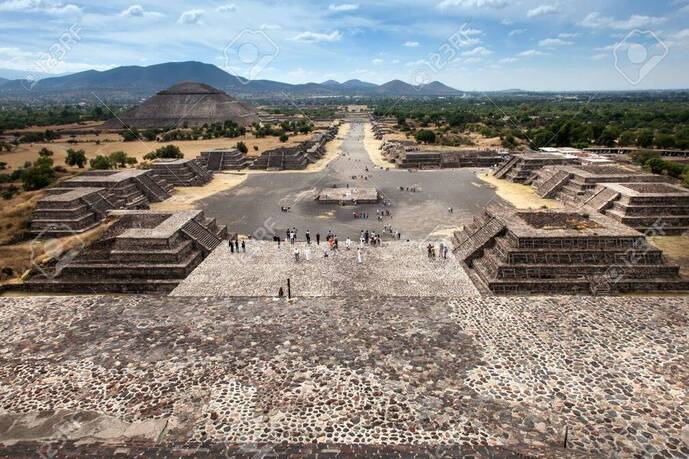
Take an unforgettable day trip to Teotihuacan, one of the largest and most impressive ancient Mesoamerican cities, lying on the outskirts of modern Mexico City. Pile out early to beat the crowds and arrive at the main entrance to the remains as the powerful Pyramid of the Sun comes into view on the horizon.
Start climbing the Pyramid of the Sun, one of the largest pyramids in the world, with a view over the Teotihuacan Valley and the Avenue of the Dead, the main axis of this city, having as their temples, palaces, and residential complexes. Marvel at the architectural skill of the ancients while strolling around the Pyramid of the Moon in honor of the Great Goddess of Teotihuacan, and admire its dominant overview of the ceremonial center.
Take a walk up the Avenue of the Dead, which displays a series of murals, sculptures, and architectural remains that give meaning to the great cosmopolitan society andreligious practices existing in Teotihuacan. Take a visit to the 윤 Palace of the Quetzal Butterfly, housing some of Teotihuacan’s finest frescoes—images of mystical beasts and gods—and look at the on-site museum housing items unearthed from Teotihuacan’s antique past: obsidian tools and ceramic pottery, ritualistic objects.
After your archaeological excavation, have a traditional lunch at a local restaurant specializing in typical Mexican food: relish regional dishes such as tlacoyos, which are masa cakes filled with beans, then topped with salsa; sopes, thick discs of tortilla topped by meat and vegetables; and refreshing glasses of aguas frescas, flavored waters infused with fruits.
After lunch, set out on a cultural tour around the nearby San Juan Teotihuacán, known for its incredibly loud mural art scene. Visit some workshops and galleries to see how artisans today interpret the classic motives of ancient Mesoamerica and meet with locals who have followed in their forebears’ steps in mastering these very ancient techniques.
Wind down on this last day of the tour, then head back to Mexico City for a cruise around Xochimilco in the colorful trajinera, traditionally adorned with flowers, accompanied by local folk music and appetizers. End the day with a ride through ancient canals in what has often been called the “Venice of Mexico,” with lively music playing, snacks served, and panoramic views of chinampas, or floating gardens, that surrounding the area.
Evening participation in Mexico City’s eclectic dining scene—dinner at one of the great local restaurants in the historic center or Polanco. Savor contemporary Mexican at Quintonil, Oaxacan delights at Pujol with the taste of fire, cold, and earth as chef Enrique Olvera puts his twist on indigenous ingredients and techniques in modernist creations.
Fourth Day
Puebla – Colonial Splendor and Culinary Heritage

Drive picturesquely from Mexico City to the UNESCO World Heritage city of Puebla, celebrated throughout history for its rich colonial architecture, Baroque temples, and gastronomic heritage. Check into your accommodation, centrally located and placed amidst a sea of colorful and ornate building facades, ornate churches, and lively plazas.
Begin your day by visiting the lavish Cathedral of Puebla—a superb creation of Spanish Renaissance and Mexican Baroque. This is a richly detailed stone-carved building, ornate with altarpieces and multi-colored stained glass, where you can see, among other things, the amazing front of the building, visit its chapels and crypts, and explore the Capilla del Rosario—a beauty widely regarded as one of the greatest examples of Mexican Baroque.
Stroll around the nearby plazas, such as Plaza de la Constitución, generally known as Zócalo, and Plaza de los Sapos, with its colonial mansions that today house museums, galleries, and antique shops. In shop windows, admire the full-color Talavera pottery; stop by local workshops to see artisans shape, paint, and fire these unique ceramics using techniques handed down from generation to generation.
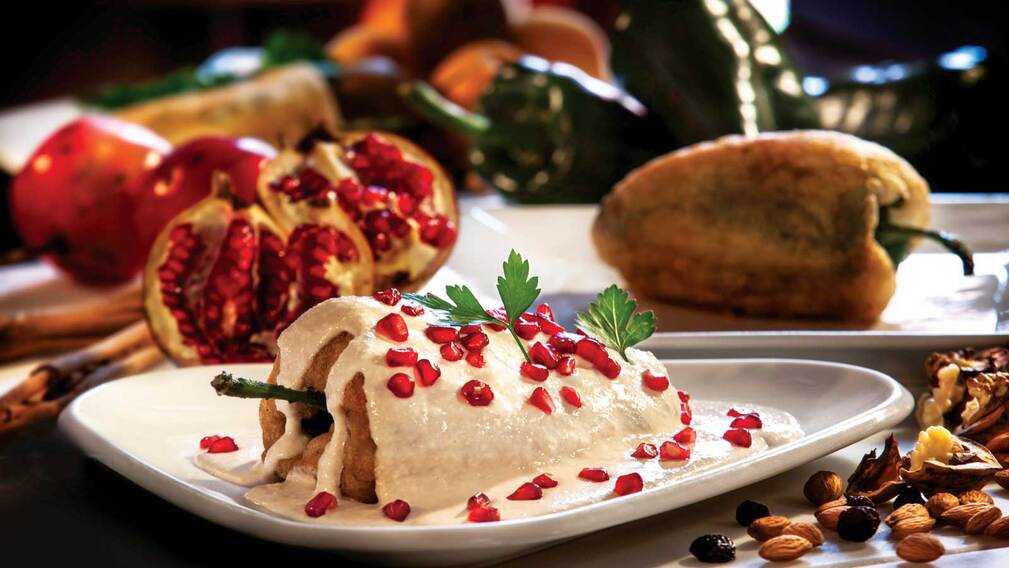
Taste a traditional Pueblan lunch at a comedor or market stall, including regional specialties of mole poblano, a rich blend of chocolate, chili peppers, and spices over tender chicken or enchiladas.
Fifth Day
Oaxaca – Colonized Heritage and Culinary Delights
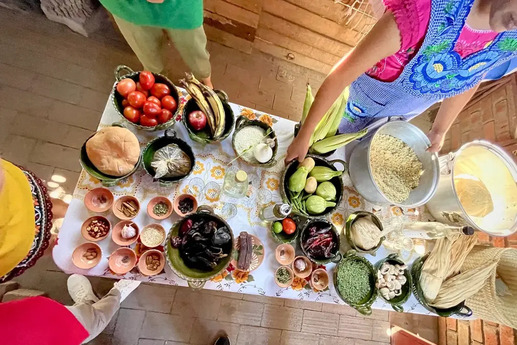
In the afternoon, visit the Rufino Tamayo Museum of Pre-Hispanic Art, which is set within a restored colonial home overlooking the Alameda de León. Its collection includes pre-Hispanic pieces, such as ceramics, stone carvings, and gold jewelry; all show the artistic ability of old civilizations from Oaxaca and beyond.
As the evening falls, take part in the traditional mezcal tasting in one of the local palenques, where you can sample various artisanal mezcals—those mixing the agave plants harvested by valleys. Learn how they are produced—from harvesting and roasting agave hearts, to proper distillation techniques passed down through generations.
Eat in one of the nice restaurants of Oaxacan tradition in the center of Oaxaca: sample mole negro, a sauce made with chocolate, chili peppers, and spices; tasajo, thin-cut beef marinated in chili and garlic; and quesillo, type of Oaxacan string cheese. Wash it down with some mezcal or the cold agua fresca of that season’s fruits, a toast to Oaxacan culinary heritage and flavor.
Sixth Day
Monte Albán and Cultural Exploration in Oaxaca
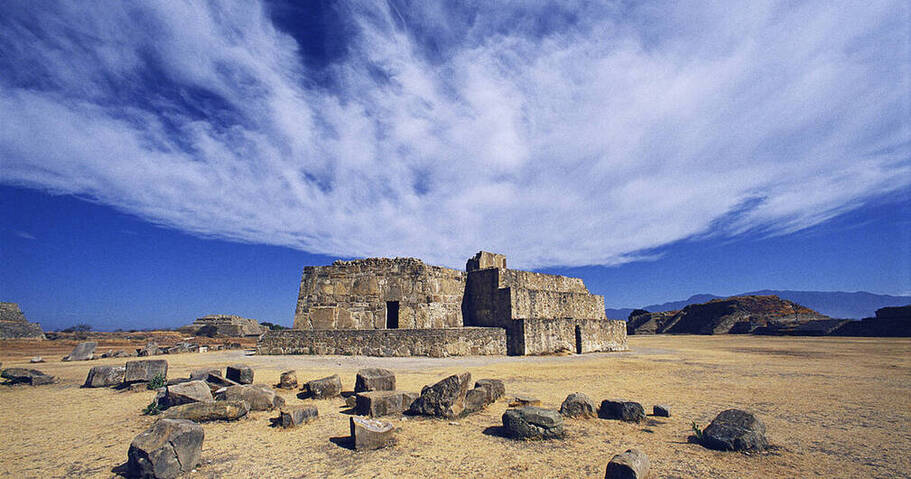
Wake up in Oaxaca to the rejuvenating aroma of freshly brewed coffee; today, immerse yourself in the magic of archaeology and cultural discovery. Early this morning, set off for one of the most awe-inspiring archaeological sites in Mexico—the ancient Zapotec city of Monte Albán. It overwhelms with breathtaking hilltop settings overlooking the Oaxaca Valley. You will walk amidst this sprawling archaeological site where pyramids and ball courts and stone-carved glyphs seem to say something about their creators’ artistic skill, astronomy, and urban planning of Zapotec civilization.
Be amazed by the great Plaza Principal, the very center of Monte Albán, framed by buildings like the imposing Temple of the Danzantes and the Observatory. A visit to the museum of the site will come in handy to admire all objects found in excavations from Monte Albán’s tombs and palaces: gold jewelry, intricate ceramics, and, most importantly, famous Dancer figurines illustrating ancient rituals and scenes of everyday life.
Lunch will be taken in a local restaurant with traditional Oaxaca dishes: tlayudas, crispy tortillas topped with beans, meat, and cheese; memelas, thick tortillas topped with beans and salsa; and refreshing Agua de Horchata, a rice and cinnamon drink.
In the afternoon, delve into Oaxaca’s rich art scene, with visits to numerous contemporary and indigenous art galleries. You’ll visit workshops in some of the outlying villages, such as Teotitlán del Valle and San Bartolo Coyotepec, that continue traditional crafts like weaving and pottery making, still done today using ancient techniques and designs handed down through generations.
In the evening, go back to el Centro Histórico de Oaxaca to enjoy your dinner in one of the beautiful patio restaurants or top-floor restaurants with specialties from the regional cuisine. You will be amused by live music or traditional-choreographed dance performances that stand out as a result of Oaxacan culture.
Seventh Day
San Cristóbal de las Casas — Chiapas pride in colonialism
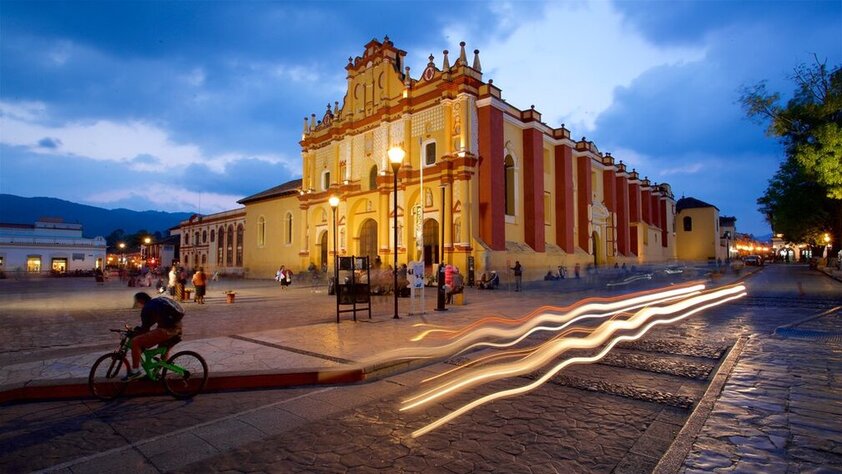
Say goodbye to Oaxaca, and take the panoramic ride toward Chiapas. Drive through the highlands to the city of San Cristóbal de las Casas, a real gem of colonialism. Enter this beautiful town, with cobblestone streets, proud colonial mansions, and deeply ingrained indigenous tradition. Check into this cozy boutique hotel right in the heart of what today is called the historic center.
Begin by visiting the Cathedral of San Cristóbal, an impressive mix of Spanish baroque architecture and indigenous motifs. Marvel at its intricate facade and tranquil, gilded interior while local artisans strike a pose for you, working at the arts of woodcarving, metalwork, and textile weaving.
Wander through the busy San Cristóbal markets: noisy Mercado de Santo Domingo and overflowing-with-color Mercado de Dulces, where vendors sell traditional sweets and regional delicacies. Taste Chiapas cuisine: tamales chiapanecos (steamed corn dough with savory or sweet fillings), cochito horneado (slow-roasted pork), and pozol, a traditional drink consumed for centuries that consists of fermented corn.
After lunch, explore two neighboring indigenous villages: San Juan Chamula and Zinacantán. Here, centuries-old habits and spiritual practices are still alive. Visit the ancient churches that were lightened with candles on the floor, covered with very fragrant pine needles, and surrounded by status of saints. Observe the expressions of unique syncretic rituals joining Catholicism with pre-Hispanic beliefs.
Return to San Cristóbal for dinner in one of the typical traditional Chiapas restaurants of the area, relishing local traditional dishes that show the immense culinary diversity and tastes of this region. Finish off today’s discoveries with the settings provided by colonial San Cristóbal, where history, culture, and nature play their roles in a fascinating tableau.
Eighth Day
Sumidero Canyon and Indigenous Traditions
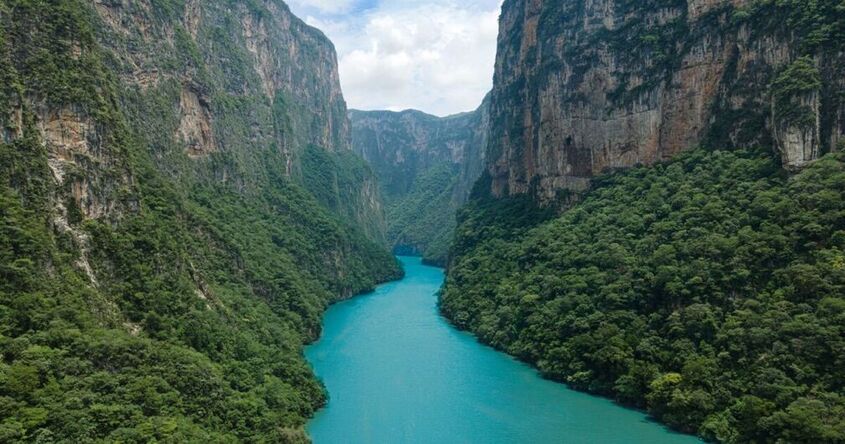
Journey into the early morning to Sumidero Canyon, carved by the Grijalva River through the Chiapas Highlands. The scenic cruise covers the mighty walls of the canyon, exuberant vegetation, waterfalls, and animals of great variety. Be impressed with iconic rock formations such as El Árbol de Navidad: the tall monolith of limestone that dominates the landscape.
As one wanders through the narrow passages of the canyon, identify the native wildlife; for instance, the respective crocodile basking themselves in the sun on immoveable rocky outcrops or spider monkeys bounding from tree to tree. Join an experienced guide who’ll share stories and legends passed down through generations explain how the geological creation of the canyon came to be, early inhabitants, and ecological importance.
After the boat ride, come into contact with the deeper Chiapas cultural fabric by visiting indigenous communities like San Juan Chamula and Zinacantán. Participate in ancient customs, preserved for centuries, in candlelit colonial churches amidst pine needles and statues of saints—witnessing age-old practices of the Mayas. Observe these traditions that give a view into.
In the afternoon return to San Cristóbal de las Casas for dinner, savoring traditional regional specialties: cochito chiapaneco, slow-roasted pork, and sopa de pan, bread soup, refreshing with fresh pozol or artisanal mezcals.
Ninth Day
Palenque and mystical ruins of which beauty merges with nature.
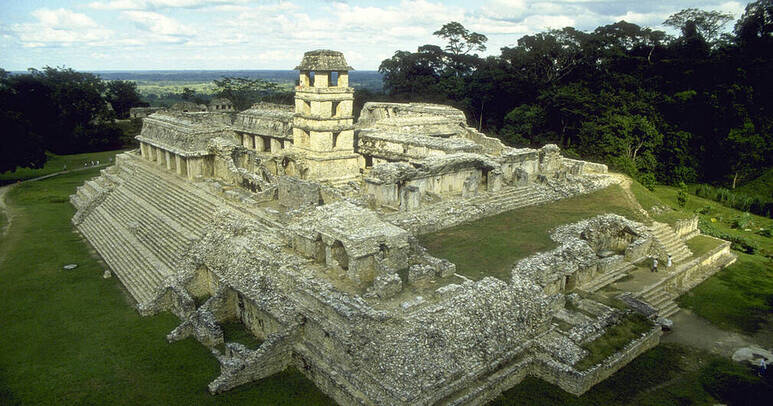
Depart San Cristóbal de las Casas and drive through the lush scenery to Palenque, another one of Chiapas’ archaeological ruins whose site lies within the rainforest. Check into your hotel right in front of the ruins and surround yourself with the mysticism of this ancient Maya city.
Wonder at Palenque’s monumental temples and palace complexes, dotted with intricately carved stelae revealing clever hieroglyph inscriptions and architectural wonders like the so-called Temple of the Inscriptions housing the tomb of ancient ruler Pakal the Great. Wander up shady pathways, lined with towering ceiba trees above and the howling of howler monkeys calling through the jungle canopy.
Evening free; dinner is in a typical local restaurant with Chiapas typical food with specialties like pibil—slow-roasted meat marinated in achiote paste—and fresh seafood from rivers located near this area. Reflect on today’s discovery amidst timeless ruins in Palenque, where history and nature come to braid themselves into scenery.
Tenth Day
Tulum—Beach Paradise, Ancient Wonders
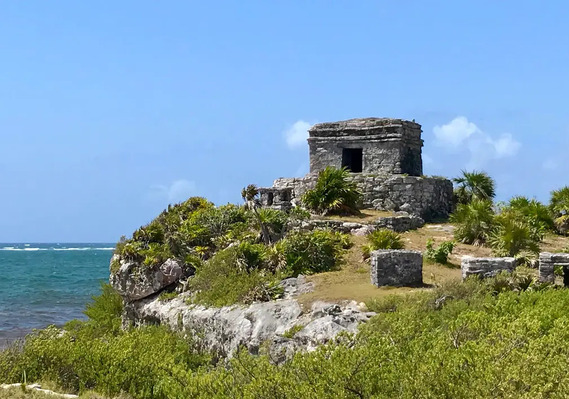
Bid farewell to Palenque as you journey down into the Yucatán Peninsula, toward Tulum, where breathtaking beaches and ancient Maya ruins lie in wait. Check into an eco-chic oceanfront boutique hotel, swaying palms, and soft sands.
Begin with a tour of the ruins of Tulum, dramatically sited on a cliff overlooking the turquoise Caribbean Sea. Wander through temples, plazas, and the Castillo, from which commanding views have charmed travelers for more than a thousand years. Understand exactly why Tulum served as a key port city and ceremonial center through the Maya Classic time, and be amazed by how its architecture was remarkably preserved against azure waters.
Spend the afternoon snorkeling over colored coral reefs, swimming, or simply lying down to feel the sun’s warmth on the scenic beaches of Tulum. Other activities to do in this time bracket include visiting the many cenotes of the entire peninsula, which are natural sinkholes the Mayas believed were a way into the underworld, and visiting the world-famous and rich Sian Ka’an Biosphere Reserve area of the UNESCO World Heritage owing to its biodiversity.
Farewell Tulum: New Beginnings and Farewells

Enjoy a leisurely breakfast while taking in the stunning sea view on your final morning in Tulum. This peaceful experience will stay with you. Take a last stroll down the beach to collect seashells as souvenirs of this idyllic haven. Depending on the time of your departure, it would be well spent either shopping around the more charming boutiques and art galleries in Tulum or rejuvenating with spa treatment that takes its lead from ancient Maya healing techniques. Travel to the Cancún International Airport for more travels. As you say goodbye to Mexico, you will always have a plethora of memories of its vibrant towns, historic civilizations, and famously kind people. Recognize the range of experiences you have had while appreciating the allure of viewing Mexico through a different lens due to personal necessity.