


Table of Contents
karipap
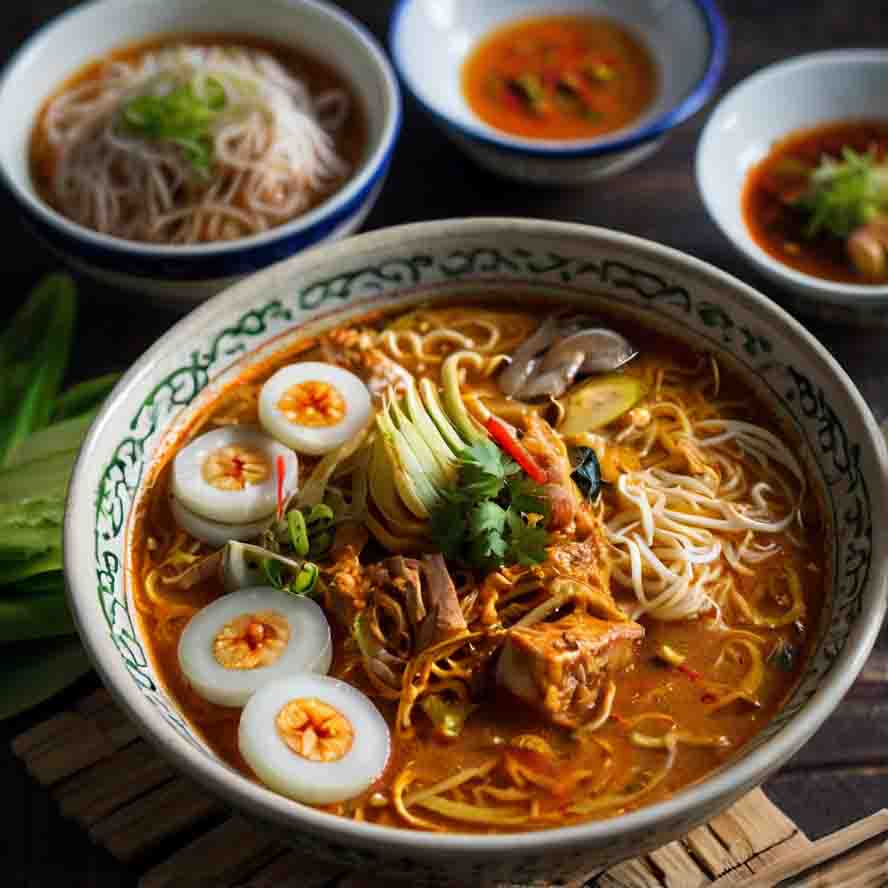
Karipap or curry puff as called by some is a small pasty that is deep fried or baked and contains thick chicken and potatoes curry in its center is the best street food in Malaysia. Historically, the tasty dish is said to have originated from the people of Malay Peninsula together with smaller parts of Sumatra and Borneo.
This is a breakfast food or an afternoon meal which is availed at many stores, bars and the markets. This is due to the ways in which the Karipap can be easily prepared, as well as the taste, and this dish spread to other countries, such as Thailand and Singapore. However, today the types of karipap are many, and instead of the potato and chicken curry as the stuffing, other stuffings may include tuna, the sardines and beef rendang.
Char Kway teow
Char kway teow is popular all over Malaysia and Singapore as a street food and easily found in many food stalls. Nevertheless, a variation is possible depending on the area, but the most common type comprises flat rice noodles, shrimps, eggs, cockles, bean sprouts, chives, and Chinese sausage. Many of the ingredients included in the preparation of this dish are fried and coated in soy sauce while some versions also include shrimp paste, garlic, fried pork lard, and at times even the yellow wheat noodles.
One of the many stories regarding the origin of this dish is based on the fact that Teochew people who immigrated to Singapore used this dish to illustrate they were Chinese while the name comes from Hokkien, char meaning fried and kway teow denoting flat rice noodles.
Kari ayam
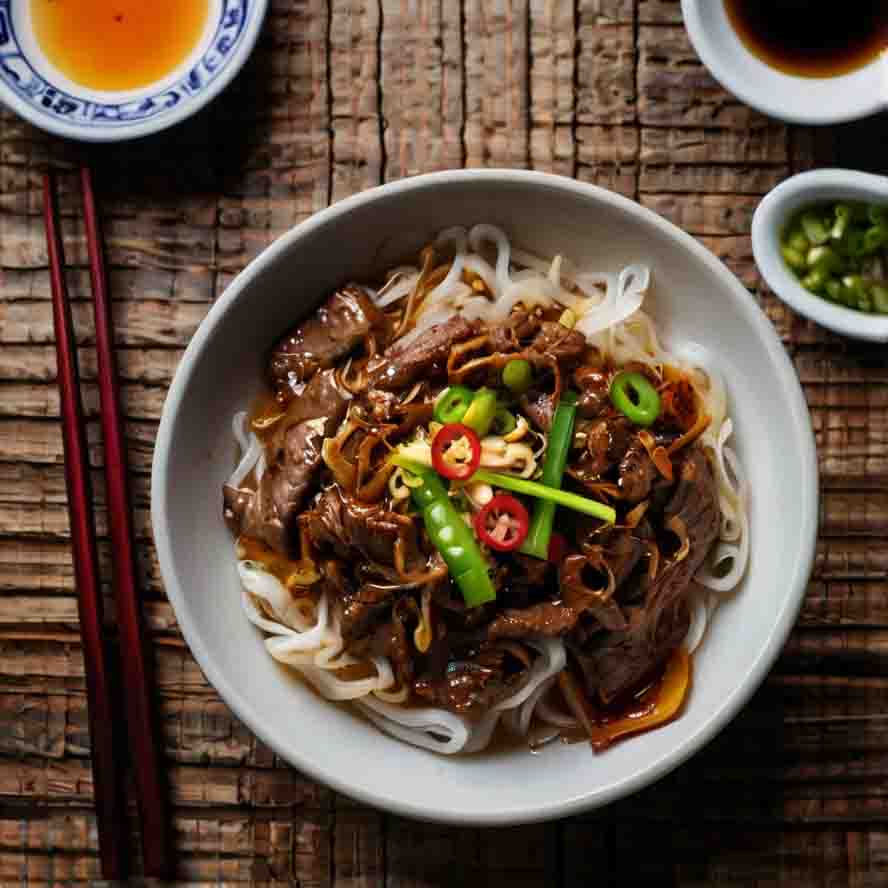
Kari ayam is a Malaysia and Indonesia chicken curry recipe. The ingredients for making this chicken curry are chicken pieces, onions, garlic, ginger, ghee, tomatoes, coconut milk, and spices; anise, cinnamon, curry leaves, pandan leaves, lemongrass, chilis, cumin, turmeric, and fennel.
In Malaysia, kari ayam is traditionally cooked in a clay pot served through the belief of the receptacle not interfering with spices and it cooks the curry in its juice. Before eating it can be finalizing the dish with few drops of lime juice, and decorated with fresh coriander. They should ideally be accompanied by rice due to their nature and the type of spices used in the preparation process.
Samblal belacan
Sambal terasi is one of the traditional sauces which are found in both Indonesia and Malaysia, and can be categorized as sambal. Sambal is prepared with ground red chili peppers and terasi or fermented shrimps as the primary ingredients. Other elements that are incorporated to beef sauce include garlic, shallots, tomatoes, onions, lime juice, oil, sugar, and salt.
This red colour spiced sauce is preferably used as a side dish or as a topping for such meals as Malaysian lam mee noodles. Sambal terasi has various names around the different regions of the world, in Malaysia, it is called sambal belacan.
Sarawak laksa
Very much alike to other classifications of laksa, Sarawak laksa is relatively less spicy. Available with chicken or shrimp based soup, the thick laksa paste sometimes contains over twenty types of ingredient, the garnishing for this soup comprises of the round rice noodles, shred omelet, boiled prawn and shredded chicken.
Sambal and lime being hot spices are normally taken separately to accompany the cooked food. The roots of this dish have still been an issue of debate, although it is said that the dish was initially prepared by Goh Lik Teck when he started selling his noodles at Carpenter Street in Kuching in 1945. Cultural lore attribute the usage of the thick paste used in the dish to the Tan family from Kunchoing having introduced it between the 1960s and the 1970s.
Beef kway teow
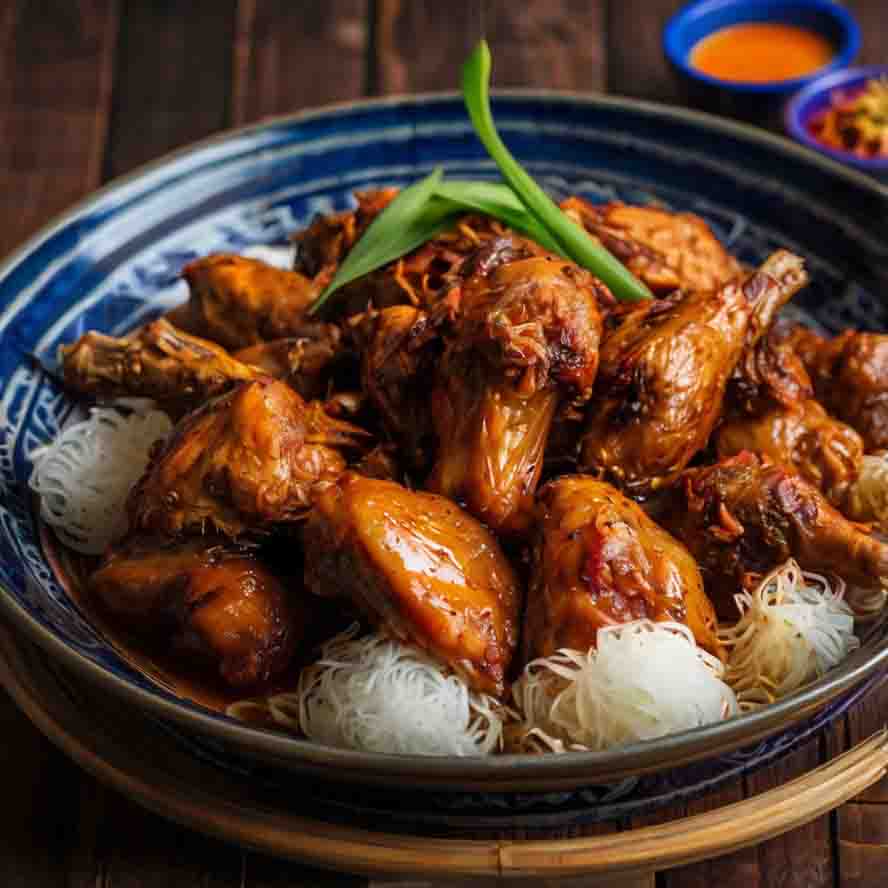
Beef kway teow also known as Beef rice noodle in Singapore and Malaysia is a simple dish that is good for a light meal or complement a major meal. To prepare it, wide and flat noodle rice is stir fried with vegetables and herbs and then beef slices are added on top.
There is also a style of this dish in the form of soup like in Thai beef soup but commonly is served ‘dry’ in a spicy gravy of chili, oyster and sesame oil. Talking about the variation, Indonesians particularly have a similar dish which is typically garnished with garlic, ground meat, stamped cabbage, soy sauce, and blam! Black pepper.
Claypot rice (Claypot Rice)
Claypot rice is another popular classical dish that you can find in Malaysia, Singapore, and Hong Kong mainly. It seems there are as many versions of this dish as there are cooks, but if approaching the creation of this dish from scratch, you will need a long-grain rice, mushrooms, chicken or sausage, ginger, shallots, oil, soy sauce, green scallions, coriander and sambal chili sauce.
Rice is first rinsed and cooked in the clay pot together with the other components of the dish. The rice should be able to stick and form what is called crust on the bottom if properly prepared. Charcoal stove is used in the preparation of the dish where the rice is cooked in clay pots imparting an exclusive flavor to it. After the rice is cooked in the claypot it is garnished with thinly sliced scallions and fresh coriander leaves, accompanied by dark soy sauce and sambal on the side.
Kuih lapis
Lapis legit or otherwise known as Kuih Lapis is a pull-apart cake which belongs to the dessert category and is commonly consumed in countries such as Indonesia, Malaysia, Suriname, Brunei and Singapore. It can be prepared as a moist layered pudding with the kinds of rice flour, sago, sugar, salt, coconut, and milk along with red, green, and pink food colors.
Steaming the cake and the end product is similar to a layered pudding. It is preferable to cool kue lapis before slicing and serving; this takes some time to do. In its ideal form, this dish must be elastic, rather sticky, and quite chewy on the mouth.
Bak kut teh (Street Food in Malaysia)
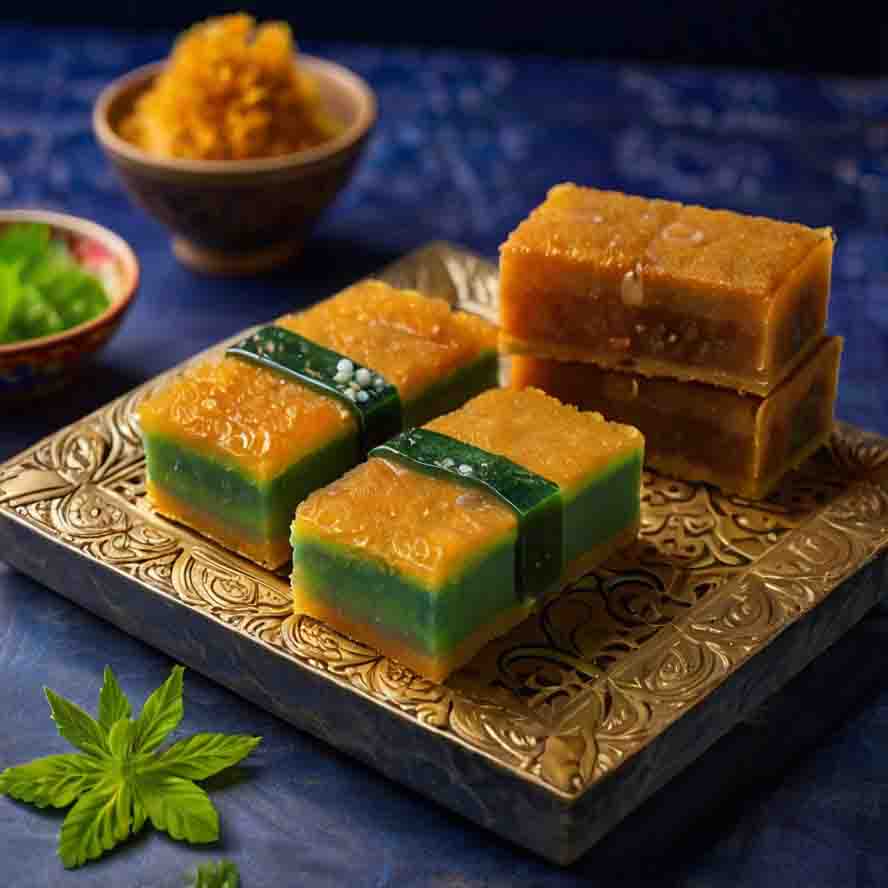
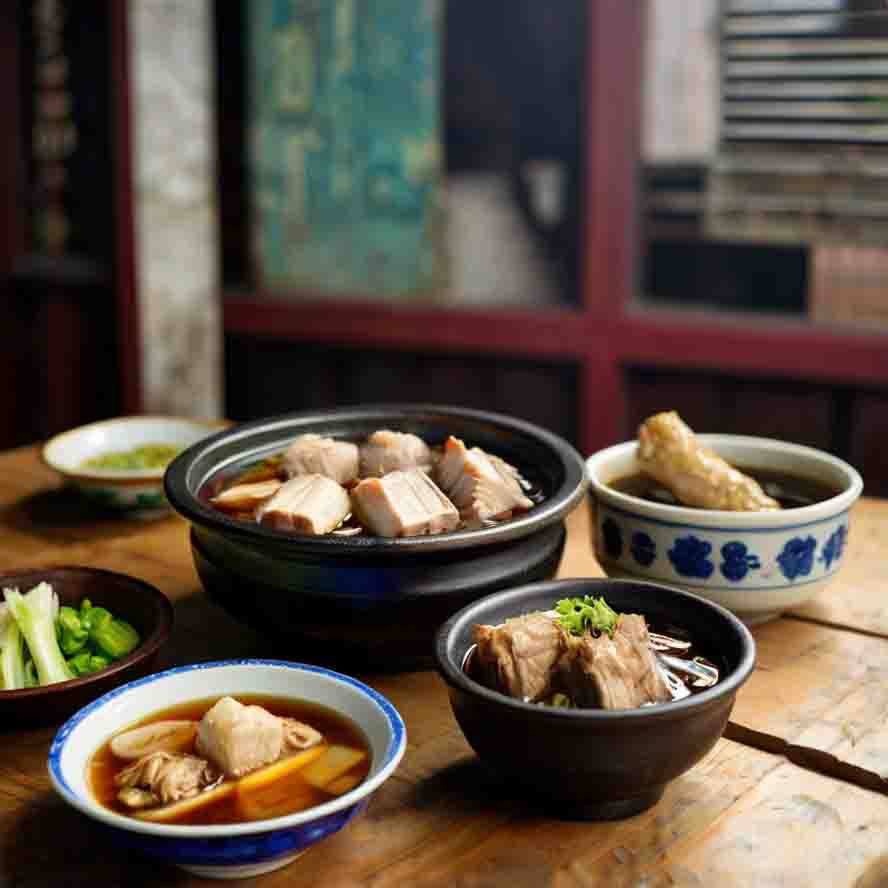
This rich and satisfying dish indeed has its roots in Malaysia and Singapore but originates from the Chinese cuisine. At it is basic, it entails several different cuts of pork that are slow-cooked in a rich broth perfused with star anise, cinnamon, garlic, and fennel.
It has tofu puffs or mushrooms added to it and is commonly served with a couple of side dishes. Out of many tales the most plausible one states that bak kut teh’s residence originally belonged to the Fujian Immigrant by the name of Lee Boon Teh who was the first person to sell this dish in Klang – the city considered to be the birthplace of the genuine bak kut teh.
Popiah
Popiah is a Chinese roll categorized under the dim sum entrees and they are prepared and wrapped in a variety of ways. Sometimes called the Malaysian version of the spring rolls, the chief primary difference is that popiah is never fried. The wrappers for popiah are quite similar to the crepe, and while they are flexible and thin, they can fiercely enclose all of the filling contents.
The fillings are extremely versatile, but usually have four essential components: the principal condiments, the base ingredients that accompany the food, the condiments and spices, and the condiments and sauces respectively. The main fillings range from meat and seafood to vegetables while thinly sliced condiments are the most frequently used element inclining to cucumbers, Chinese sausages or eggs.
For popiah, it can be rolled in a way that caters to the consumer’s choice but commonly the outer skin is rubbed with spicy or sweet sauce, laid with a leafy material – a salad leaf which aids theキング hold of all the contents. Once it is wrapped and before it will then be set on the dining table, popiah is usually sliced into small portions.
However, the most conventional method of preparing and serving this traditional foodstuff at parties is to prepare all the components of the popiah and let the attendees make the rolls themselves. Although popiah has its origin in the Chinese Fujian province, it can be classified under the Singaporean and Malaysian cuisines and it has its different types in other Asian nations.
Maggi goreng
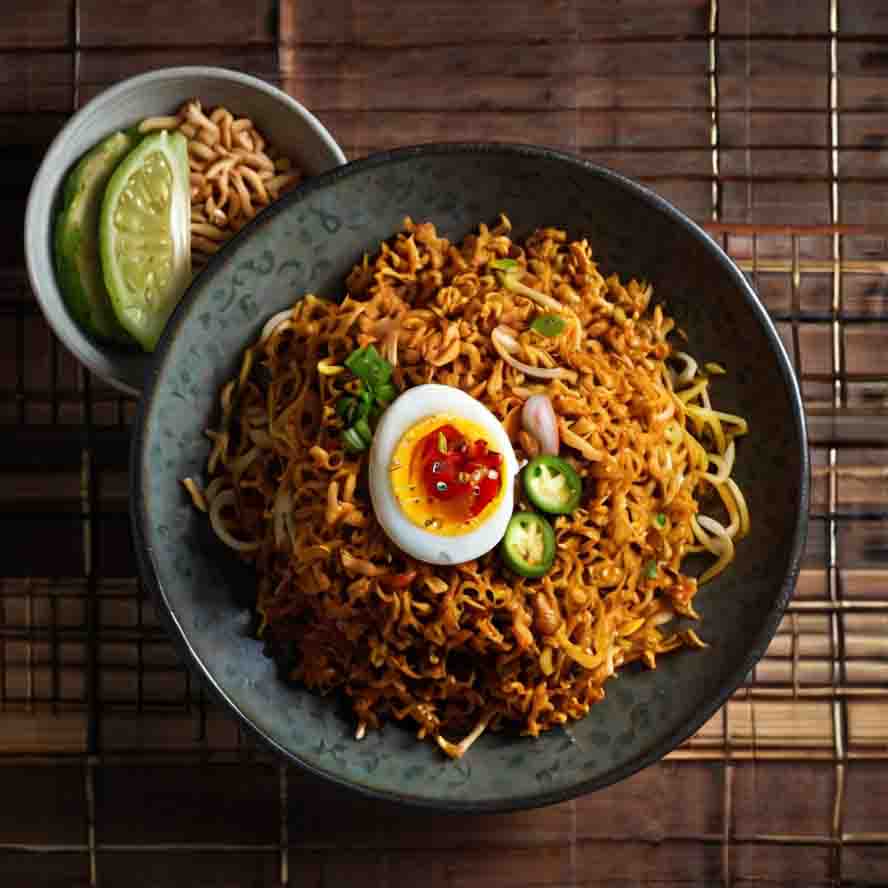
Maggi goreng is a dish involving instant noodles which is commonly found in the Mamak (Indian-Muslim) sector of Malaysia. This name originates from the brand of noodles referred to as Maggi but the edgy the recipe does not restrict the utilization of the brand Maggi.
The preparation of this dish entails the use of pre-cooked instant noodles that are tossed in a wok followed by stir frying with vegetables, eggs and seasoning with soy sauce. The rest of the recipe is variable, depending on the cook: others may add chicken, prawn or tofu to the dishes, although the list is practically endless.
Ulam Pan mee
Its root may be difficult to pinpoint, but like many other noodle recipes, it is thought that this thick soupy noodle dish is a legacy of the blend of Chinese and Malaysian inclination towards food. The dish normally features hand-picked noodles with vegetable soups and regularly topped with shredded meat and, sometimes, mushrooms.
Pan mee is most often located in hawker-type restaurants and kiosks and is normally with sambal sauce as a side dish. It is also prepared in different ways and aside from the normal version it could also use different kinds of broth or other kinds of additions.
And occasionally it is served dry with soy on the side, and also with a top of a poached egg.
Bubur lambuk
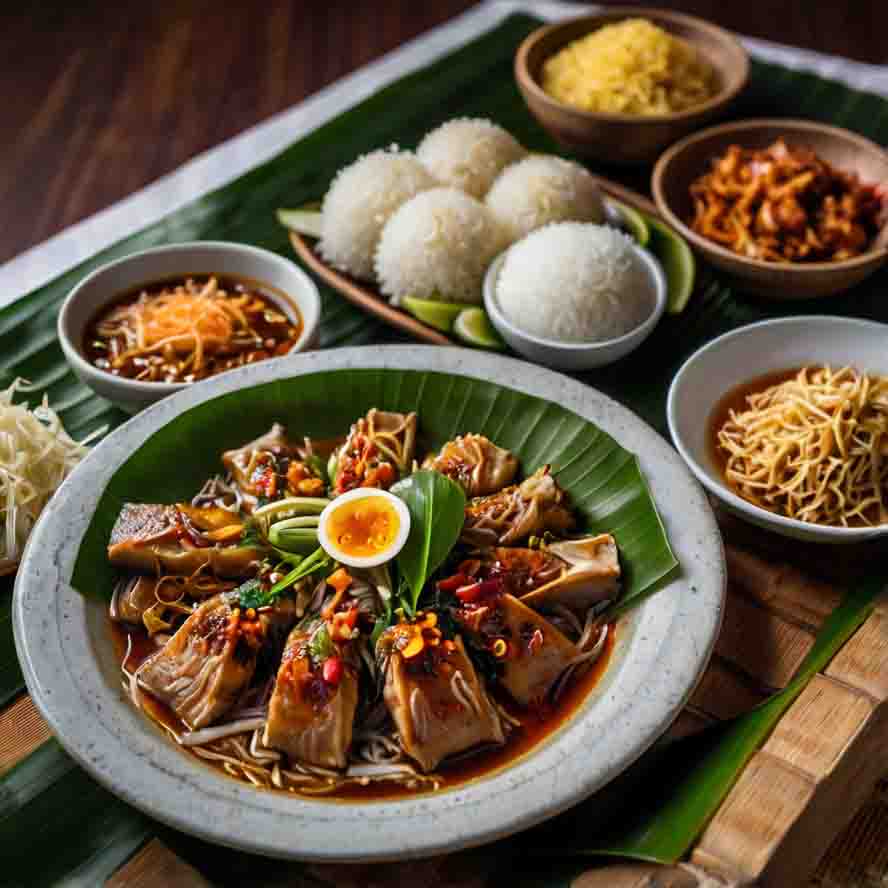
Lil Malaysians, sweet & soft food during Bfast is preferred as their stomachs cannot take too much strain, so breaking of fast usually involves the preparation of what they refer to as bubur lambuk which broadly translated means scattered porridge because that is how it is prepared; Vessel & method used while preparing Bubur Lambuk.
It is distributed to the public in most mosques during the fasting period known as Ramadan. The porridge is usually made with meat, onions, garlic, shrimps, coconut oil, pandan leaves, and seven spices: Such spices as cloves, black pepper, cardamom, cinnamon, aniseed, fenugreek, and star anise were also foreseen.
Ulam is a term that describes several Malaysian-style salads that are often made using fresh herbs and vegetables that may include ulam raja which is made from betel leaves or ulam vendor with cucumber or ulam kelantan with banana blossom; however, they also use shoot, root, seed, and fruit.
Both blanching and use in their raw forms is allowed with the vegetables and the carrots. They ate Ulam salads as one of the side dishes which can also be garnished with different Malaysian sauces such as sambal belacan and cincalok which is made of shrimp or the tempoyak.
Cincin
Translated to ring cake, this Malay kuih is identified more with the Brunei Malay group in Sabah. They are made with rice flour and a mixture of red palm sugar (niham) and melaka sugar originating from coconut.
Popularly created in flower shapes, the cookies are rolled in rice flour paste and deep fried twice in order to acquire the conventional exterior crunch. It can be taken as a tea time snack or a dessert.
Kuih kaswi
Kuih malaya is a steamed Malaysian dessert added with coconut milk, rice, tapioca flour, white sugar, alkaline water and the dark palm sugar is also usually used to colour these cakes dark-brown. The batter is normally cooked inside little Chinese cups and the cakes are conventionally accompanied by fresh coconut.
The traditional syrup is made from brown sugar; however, in the contemporary world, the cakes are infused with pandan leaves to produce the green color of kuih kaswi.
Sago gula melaka
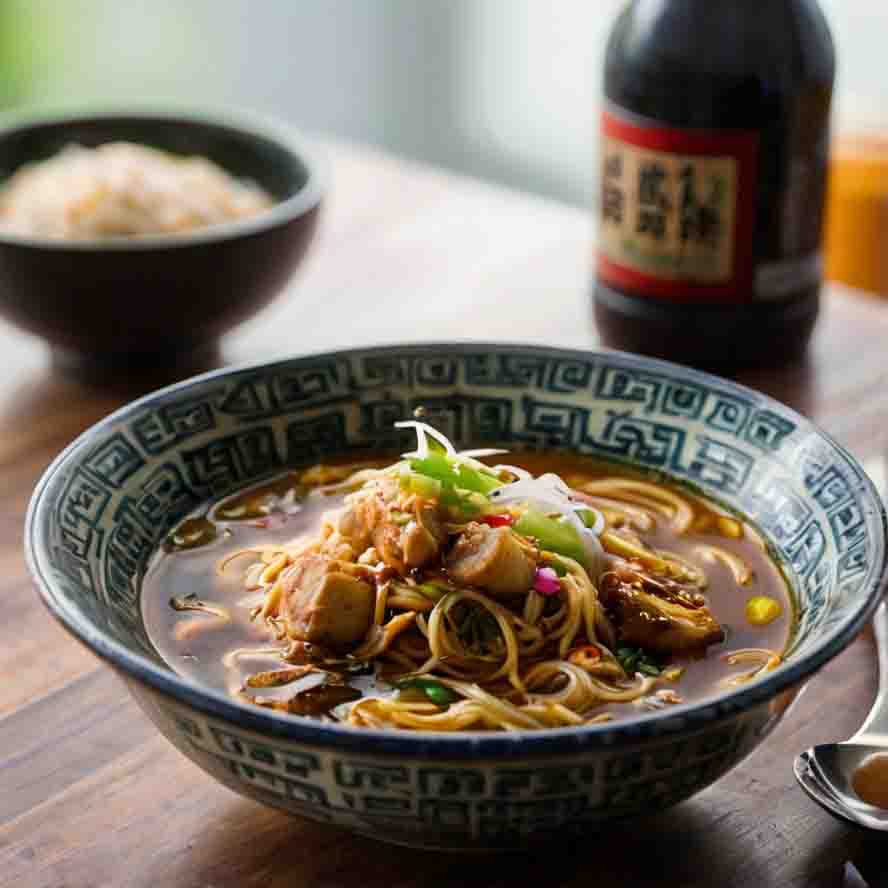
Precisely as its name suggests, sago gula melaka is a pudding dish made of sago – the starch obtained from the pith of several kinds of palm trees – and gula melaka – coconut palm sugar syrup. This pudding is on the Malaysian dessert list, but is not standard or prevalent in every eating establishment in Malaysia although the recipe is easy.
Classic sago gula melaka only has four ingredients: such as sago, palm sugar, coconut milk, and pandan leaves. The sago is cooked until the pearls are clear while the palm sugar is also dissolved individually. Generally, salt is added in a pinch to intensify the smell and taste of the coconut milk plus the pandan leaves.
Leaving the pudding to cool and thicken in the refrigerator is normal, and the pudding is normally served immediately after this has been done or it can be left in the refrigerator throughout the night.
From the title, one can deduce that Water Spinach or also famously known as Kangkung is cooked with Cuttlefish or locally known as Sotong.
Sotong kangkung or jiu hu eng chai is a deep-fried squid gorgeously served with kangkong (water spinach) which is famous hawker food originated from Malaysia. Traditionally, this dish is made from two main sources of protein; sotong meaning cuttlefish, kangkung meaning water spinach Other ingredients include; The peanuts, sesame seed, lime juice and the sauce of which has shrimp sauce, hoisin sauce, plum sauce, chili powder, sugar and water.
Concerning preparation of the ingredients, the water spinach and cuttlefish are blanched in water. The Order: The water spinach is placed on a plate, the cuttlefish is placed on the spinach then finally the sauce is poured over the two. On the top of the dish peanuts powder and sesame seeds are required; moreover, finally lime juice required for garnishing the dish.
It is best to place the water spinach on separate plates immediately because if left for a while the color of the dish will turn black.
Papparoti
Papparoti is a bun which is local to Malaysia. Despite the fact that papparoti is at the moment a registered trademark, it was initially a new creation from roti flat bread which was converted to a bun in the year 2002 by a Malaysian lady. The buns involve the use of flour, sugar, yeast and milk for the dough, butter, salt and eggs for meat.
After that, before baking, the papparoti are decorated with some kind of icing, produced from coffee and caramel. Firm on the outside while soft, buttery and nearly melt in the mouth on the inside – these buns have become a phenomenon once the first PappaRoti Café, under the first trademark was established in Malaysia in 2003. It is taken with tea or coffee, for it is sweet or salty buns; these currently are available throughout Asia, Australia, England, the Middle East, and North America.
Kuih cucur
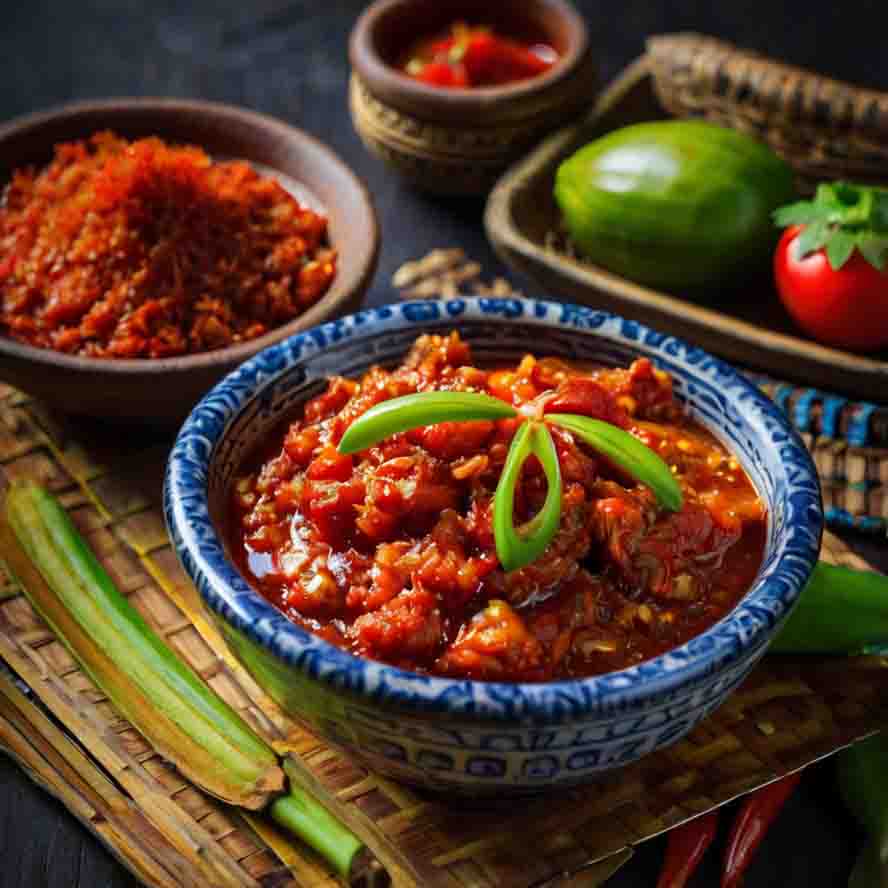
Kue cucur is a traditional Indonesian snack that has slightly similar version in Malaysia called kuih cucur, and in Thailand called khanom fak bua. It is made using fermented palm sugar, frying the rice flour and coconut milk to get a crisp Outcome. This sweet snack is mostly shaped in such a way that its thickness will be in the middle, while flattened on the edges.
Of all the varieties of Indonesian, the commonest one is the Betawi dialect found in Jakarta. This item in Thailand is very similar to a lotus, which is an emblem of newlyweds’ love, so this cake is prepared at weddings and other Thai feasts. The kue cucur itself is consumed warm, hot or with a slightly temperature in between the two but is best consumed fresh; otherwise, the taste would become stiff and sticky if consumed after storing for a long time.
Kuih cara berlauk
This is a Malaysian kuih which is a small-sized food item made of savory cakes which has minced meat on top of it. The batter for cakes often contains coconut milk and the cakes take on their nutty hue from turmeric. Originally they are baked in round or flower shaped molds, and while the paste is baking, it is filled with a mixture that usually consist of sauted minced meat, shallots or onions and occasionally shrimps.
Historically, each cara berlauk should be accompanied by red fresh chili and fried shallots on the top. The dish can be consumed in the following ways; as a snack, it takes little preparation hence good for those times when you do not want to cook a lot, as an appetizer because of its size depending on the size of the eggplants used.
Cincalok
Cincalok is a local condiment and it originated from Malaysia which it is made from shrimps or krill ground with salt and cooked rice. The shrimps are usually rather small and are left whole, and the condiment possesses an extremely strong and unpleasant smell and a virtually equal ratio of salty and sour taste.
As a dipping sauce, it is usually placed on the side, although preference is given when served with lime juice, shallots and sliced chilies, however, as a cooking ingredient, it can be used. The food of cincalok has its roots in the region of Malaysian Melaka (Malacca), currently it is a snack distributed across Malaysia and other countries of the region.
Nasi tumpang
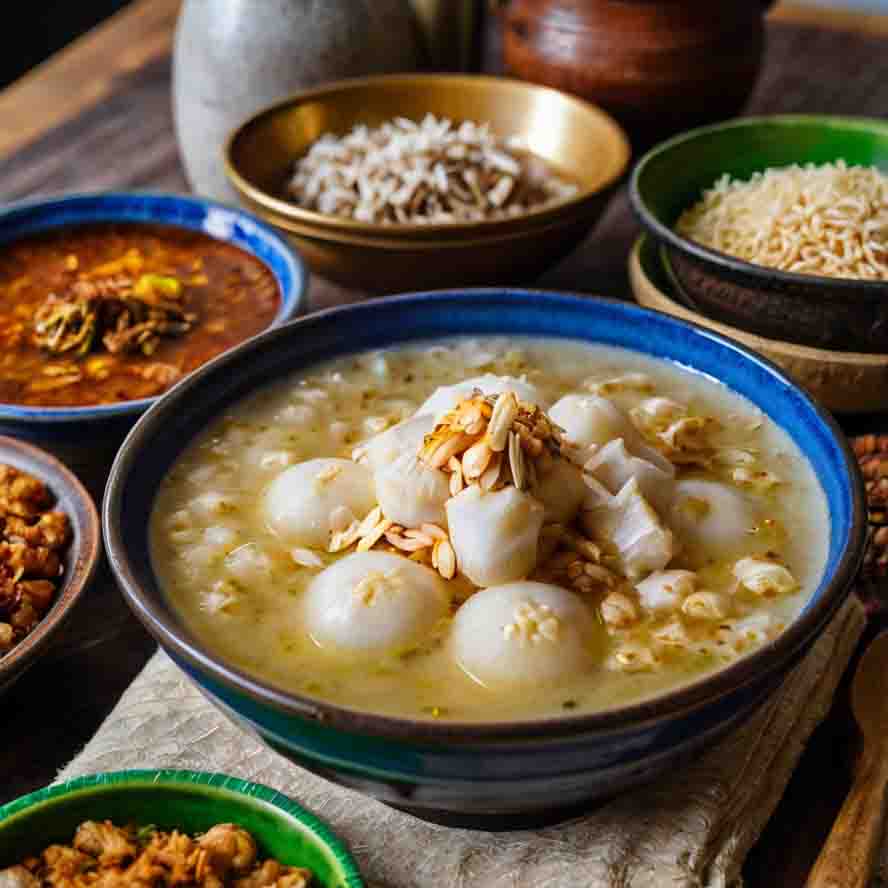
A specialty of Kelantan, Malaysia, the ingredients generally include rice on which several dishes are placed before encasing the entire strew in banana leaves shaped like a cone. A classic dish is made from flour, thick curries, eggs, cucumber and spiced coconut flakes, while many contemporary adaptations use other aspects and garnishes.
While in the past, nasi tumpang was traditionally taken mostly by fishermen and farmers it is today usually taken in the morning as a meal.
To learn more about Affordable China Train Ticket in 2024 click here https://tourticketer.com/china-train-ticket/