


Way to Apply For a Tourist Visa For INDIA TOUR BOOKING And India Tour Guideline
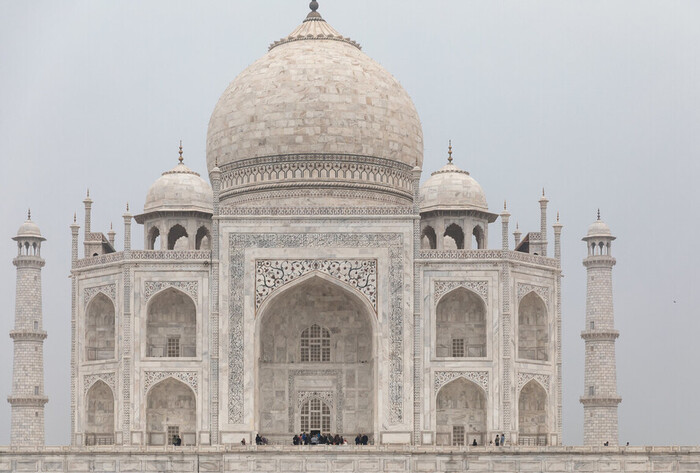
The procedure for India tour booking depends on your nationality, purpose of travel, and length of stay. India is a country full of fascinating elements, such as magnificent nature and beautiful architecture. Why not try a fascinating trip to India and experience something you’ve never felt before?
After getting the visa you will confirm your India tour booking
India tour booking through an advanced online application
There are many online hotels and transportation book services. You will find them and make an India tour booking for a better experience. For India tour booking you must read their customer review, entry and exit time, accommodation, etc.
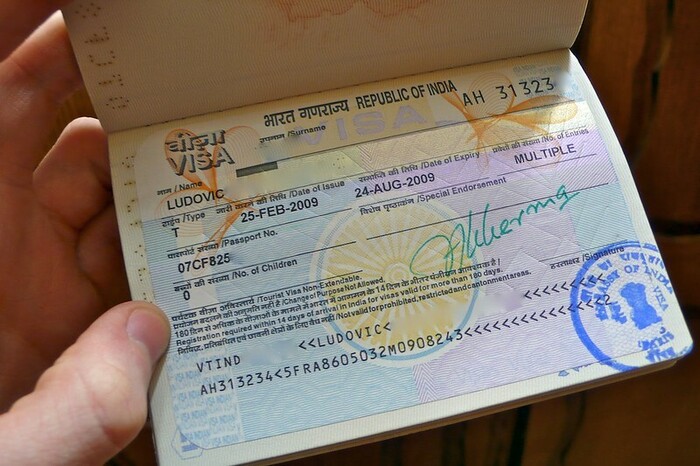
There are various conditions for application.
- After applying, please print out the visa eta (electronic travel authorization) sheet and bring it with you when you check-in.
- The purpose of travel is limited to “tourism, short-term business (meetings, business negotiations, etc.), and medical treatment,” and the length of stay is limited to the validity of the obtained visa.
- At the time of application, your passport must have at least 6 months validity and at least 2 blank pages remaining
- Please print out and fill out the application form yourself from the link below and bring it with you when you check-in.
- The purpose of travel is limited to “tourism, short-term business (meetings, business negotiations, etc.), and medical treatment” and is limited to stays of 60 days or less. (long-term stays, those with employment/work purposes, and spouses and families are not eligible.)
- Your passport must have at least six months of validity remaining on your arrival in India.
- The only airports that issue visa-on-arrival tourist visas using application forms are Delhi, Bangalore, Mumbai, Chennai, Kolkata, and Hyderabad.
- Payment is required at the airport upon arrival in india.
For more details, please visit the website of the embassy of India of your country
Basic information you need to know about traveling to India
What to bring?
- Passport
- Complete set of toiletries (toothbrush, shampoo, rinse, soap, etc.)
- Nightwear, slippers
- Tissue paper, wet wipes
- Jacket to protect against air conditioning
- Sun protection (hat, sunglasses, sunscreen, etc.
- Rain gear (folding umbrella, raincoat)
- Regular medications, prescription medication
- Adapter plug
- Passport case (neck type, waist wrap type, etc.)
- Electrical appliances such as razors and hair dryers
- Alarm clock
- Flashlight
- Camera, charger, memory card, film, spare batteries
- Insect repellent spray, insect bite medicine
- Folding fan
How much does it cost to india tour booking?
Hotel costs for travel to India
The average hotel cost for a trip to india is around 8,000 yen per night. Hotels in india are relatively cheap. For 60 dollar yen, you can find a hotel with good facilities. There are many backpackers and hostels, so choose according to your budget. We have summarized the hotel prices in each region of India.

Luxury Hotel in India
Delhi
Backpacker hostels: around 20 dollar
Business hotels: 20 t0 40 dollar
Luxury hotels: 500 to 200 dollar
Mumbai
Backpacker hostels: around 20 dollar
Business hotels: 20 t0 40 dollar
Luxury hotels: 500 to 400 dollar
Goa
Backpacker hostels: around 20 dollar
Business hotels: 20 to 40 dollar
Luxury hotels: 50 to 1000 dollar
Yen or more
India tour booking Jaipur
Backpacker hostels: around 15 dollar
Business hotels: 15 t0 40 dollar
Luxury hotels: 200 to 400 dollar
Food costs for India tour booking
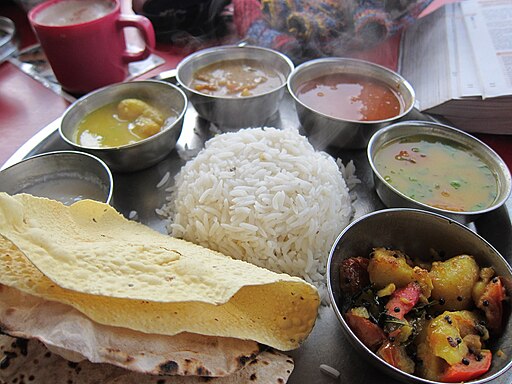
The estimated cost of food for an India tour booking is around 20 dollars per day.
Food costs in India are cheaper than in the usa, so you can eat your fill on a budget. You can keep your budget down by buying ingredients at supermarkets or local food at markets. Be careful, as street food sold on the streets may not be hygienic.
Indian food is healthy and delicious, but many people worry about the strong spices. However, those who don’t like spices needn’t worry. Many hotel breakfasts and dinners are buffet-style. You can choose from three types of food: western, Chinese, and Indian. At the buffet, there are often several types of curry such as chicken, beans, vegetables, and fish, as well as bread, yakisoba, rice, fried fish, and French fries. Those who don’t like spices can choose from many other options. However, many dishes use a lot of oil, so be careful not to overeat.
Indian breakfast
Dosa: approx. 50-100 rupees
Idli: approx. 50-100 rupees
Vada: approx. 50-100 rupees
Pudding: approx. 20-50 rupees
Chai: about 10-30 rupees
Indian lunch fee
Thali: approx. 100-200 rupees
Chapati & sabji: approx. 50-100 rupees
Biryani: approx. 100-200 rupees
Sandwich: approx. 50-100 rupees
Toast and jam: about 50-100 rupees
Indian cafe bill
Coffee: about 50-100 rupees
Chai: about 10-30 rupees
Cake: approx. 100-200 rupees
Sandwich: approx. 50-100 rupees
Pasta: approx. 150-250 rupees
Indian dinner bill
Curry & naan: about 100-200 rupees
Chapati & sabji: approx. 50-100 rupees
Biryani: approx. 100-200 rupees
Sandwich: approx. 50-100 rupees
Souvenirs for trip to India
The estimated cost of souvenirs for a trip to india is around 30 dollars per day.
Many people enjoy choosing souvenirs when India tour booking. Here are 10 popular souvenirs in India. Please use this as a reference.
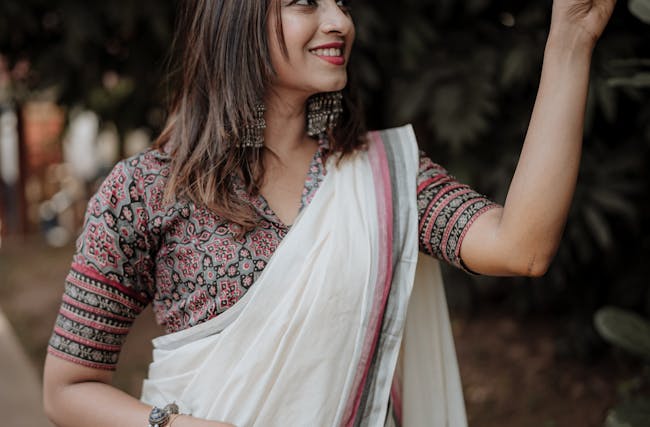
- Sari: a traditional garment worn by Indian women
- Spices: Indian spices are diverse
- Miniature Taj Mahal: one of India’s most famous tourist attractions
- Indian paper products: handmade paper and notebooks
- Gemstones: India is also famous for its gemstones.
- Kashmir: made in Kashmir
- Accessories: beautiful, handcrafted and colorful
- Myanmar rubies: Myanmar, close to India, is a producer of rubies
- Handmade furniture: Indian furniture has unique designs
- Himalayan herbal tea: feel the blessings of nature
Travel expenses for India tour booking
The estimated transportation cost for an India tour booking is around 12 dollars per day.
India tour booking by train
India has an extensive railway network, which is particularly useful for long-distance travel. Train fares vary depending on the distance, with a sleeper class ticket costing around 1,000 rupees from Delhi to Mumbai, but on busier trains reservations are required and fares can be higher.
India tour booking by bus
Bus fares in India vary depending on the distance and type of bus. For example, a local bus in Delhi costs around 10 to 20 rupees, but may be more expensive during peak times or on special buses.
India tour booking by taxi
Taxi fares in India vary depending on the distance and time. Generally, the starting fare for a taxi in Delhi is about 25 to 30 rupees. However, the fare may be higher if there is heavy traffic. In tourist areas, you may be able to negotiate the fare down.
Tourism and activity costs for India tour booking
The estimated cost of sightseeing and activities on a trip to India is around 20 dollars per day.
Compared to other cities, Agra, where the Taj Mahal is located, tends to be expensive to visit. The price difference between Indians and foreigners is particularly large at the Taj Mahal, but it is worth seeing. Here are the prices of major Indian tourist spots.
Tourist attractions and entry fees
- Taj Mahal 1300 rupees
- Ajanta and ellora caves 250 rupees
- Hawa mahal 200 rupees
- Bodh gaya 50 rupees
- Mysore palace 200 rupees
- Golconda fort 200 rupees
- Qutub minar 500 rupees
Wi-fi and communication costs for travel to india
The estimated communication cost in india is between free and 10 dollar per day. There are three main ways to use a smartphone overseas.
- Esim for use in india
- Mobile wi-fi router
- Sim card
We recommend esim when India tour booking. Esim stands for embedded sim. Since it has no physical form, there is no need to bother opening the sim tray with a small pin or worry about accidentally dropping the sim card. Esim-compatible devices were introduced in japan in 2018, and since then the number of users has increased rapidly. A major benefit of esim is that you can access the internet smoothly from the moment you land at an airport in india.

Best season to travel to india
India is a vast country. The climate varies by area, so the best season to travel also varies. Here we will introduce the best season for each major area.
India tour booking for north india
Northern india has a very hot climate in the summer and cold climate in the winter. Therefore , the best season is from autumn to spring. Specifically, it is relatively cool and comfortable from october to march. In particular, festivals such as diwali (late october to early november) and holi (late march to early april) are held on a grand scale.
India tour booking for South India

South india has a warm climate throughout the year, and the suitable travel season is relatively wide. The best season is from winter to spring , and november to february is especially recommended. This is the season when it is cool and comfortable, and many festivals are held.
India tour booking for west india
Western india has a very long rainy season, so the best season is relatively short. Specifically, we recommend going from november to february. During this period, it is relatively cool and comfortable, and many tourists visit beach resorts, especially in goa.
India tour booking for east india
Eastern india has a very humid climate in the summer and cold climate in the winter. Therefore, the best season is relatively short, and we recommend october to march. This is the cool and comfortable season, especially when festivals such as durga puja (late september to early october) are held.
3 ways to save money on india tour booking for
Use cheap lodging
India has a wide selection of budget accommodations, including guesthouses and hostels. These accommodations are cheaper than regular hotels, so they are recommended for those who want to keep costs down when traveling to india. Rooms are shared spaces such as shared rooms and dormitories. Many accommodations include breakfast, so you can also save on food costs.
Eat local food

India has a wide variety of regional cuisines. Local food eaten by locals can be eaten at a lower price than at tourist restaurants. There is also a wide variety of street food, so you can enjoy the taste of india, but you need to be careful about hygiene.
Using public transport
In india, private taxis and other vehicles can charge high prices for tourists. Therefore, we recommend using public transportation. Trains and buses have different prices depending on the seat class, so you can choose the one that suits your itinerary. In some areas, you can also consider other modes of transportation such as tuk-tuks and rickshaws.
When is the cheapest time to travel to india?
The cheapest time to india tour booking for dia is from april to june, excluding golden week. This is the time when india transitions from the hot season to the rainy season, so there are days when the temperature exceeds 40°c, and it is the off-season for tourism. It is also the time when airfare and hotel costs become cheaper. Although it is the off-season for tourism, it is a good time to visit as you can do so without the crowds.
Weather

The temperature rises to nearly 40°c during the day from april to october. Summer clothes are fine, but wear a thin long-sleeved jacket to protect yourself from the sun. You will also need a jacket to protect yourself from the air conditioning on the bus or plane.
- The temperature exceeds 20°c during the day from november to march but there are also days when it falls below 10°c in the morning and evening. The temperature you feel varies greatly depending on the weather, so adjust by wearing layers. Especially from december to january, it gets cold during the day, just like in japan. In march, it becomes hot during the day. Please prepare shoes and clothes that are easy to walk in.
- In india, it rarely rains all day, but there is a possibility of squalls (passing showers) all year round.
- Even in seasons other than the dry season, the shade feels cool, and we ask that you check the following precautions for heatstroke prevention before participating in the trip. When outdoors, please hydrate frequently before you get thirsty. Please wear a hat or parasol to protect yourself from the sun.

What about water?
Mineral water can be purchased at any hotel or restaurant (approximately $1 per bottle). Tap water is not drinkable, so be sure to drink mineral water. Local hotels often provide free mineral water, so you can use that too. Some courses include one bottle of mineral water per person every day.
How is the security situation
This is true in every country, but please be careful of crimes such as pickpocketing and baggage snatching. When you go out, please try not to carry valuables with you, and when walking on the sidewalk, be careful not to carry your bag or other luggage on the road side. Also, keep valuables such as your passport and cash in the hotel safe or carry them on your person (such as a passport case). In addition, please refrain from going out at night as much as possible.
What are the road conditions like?
There are some areas where the roads are still not as well-maintained as those in developed countries. The area of india is about 8.7 times that of japan, so there will be long bus journeys during the tour. We recommend that you bring a scarf, neck pillow, slippers, etc. To use as a lap blanket on the bus.