


Street Foods in China
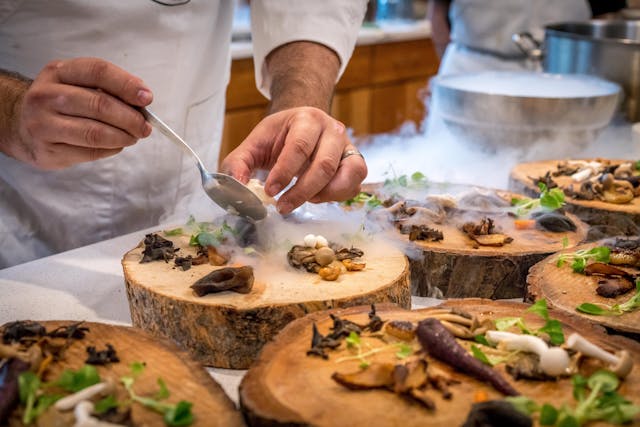
Long time ago for those seeking an adventure of the culinary kind, China has so much to offer hungry travellers. More than the flavours, though, the real joy of street foods in China of its tasting history, culture and regional diversity: from Beijing’s colourful street side morsels to Sichuan’s raucous night markets. From the historical beginnings to regional distinctiveness, and from memory-invoking dishes to popular excitement, we vibrantly showcase street foods in China-taking viewers on a higher level!
Historical Context (Street Foods in China)
Street foods in China has a long history, with all levels of society opening their doors to the street foods in China’s trade when the world’s first urban centers and long distance travel routes were developed. Like in all of history, street foods in China also became on-trend during the Tang Dynasty which were given to hungry city free riders and weary travelers. During the Qing Dynasty open night markets became poles of social life, places where people gathered for entertainment and poor consumption. Street foods in China still holds an important place in their society, providing a cheap way to get a wide variety of culinary experiences.
Ancient Beginnings
Street carts needed to be ready in all the major cities, towns and regions of ancient China to feed an assorted population in an equally quick and economic way. These vendors served a variety of snacks and meals, for different appetites in the hustle & bustle environment and sharing their returns back to urban life and cultural exchange as yuan. Street foods in China reached everyone from the tops to the bottoms of a society, introducing the food culture to anyone who otherwise couldn’t afford it – that’s social promotion of street foods in China.
Tang Dynasty
A Golden Age: Tang Dynasty Whilst developed street foods in China anywhere outside the noble classes reach for their tastes. Cities like Chang’an (modern Xi’an) were full of vendors selling everything from dumplings to sweet cakes to fried delicacies. Bustling urban life was reflected through street vendors serving residents, pilgrims and traders around city gates and temples they had made a living out of it However, they were more characterized as variety and innovation in food selling points which is where the wide range of street foods in China culture began.
Song and Ming Dynasties
Urbanization also had an effect on the history of street foods in China during the Song and Ming Dynasties as evidenced by private government manuals indicating that itinerant peddlers a.k.a. Vendors of street foods in China did not have customs duties in which tax collectors imposed a levy of caste originated community goods tax initially through specific administrative office based departments realized urban stable revenue, favoring more distant sales sectors for shop house people and local markets raised preferences. Night markets had become the place to go, where you could find anything from food stalls to entertainment. Urban has always been a public space, with public markets displaying a vast offer of regional products and gastronomic creations. In such periods commerce and trade also grew, bringing new ingredients and cooking methods which in turn enriched the street foods in China scene.
Qing Dynasty
The prevalence of street foods in China was stamped up when the Qing Dynasty instantiated its significance with night markets all over the country. They had a lot of going, selling food for every palate. It made street foods in China a cultural tradition open for anyone to be enjoyed. During the Qing era, most street foods in China are being standardized and known throughout the whole country.
Health In Street Foods & Variability Across Regions
We asked connoisseurs of this regional cuisine to help us compile a list that celebrates the diversity and depth of Chinese food calling on its numerous regions from all over the country. From the substantial meals in Northern China to the fiery nature of Western Chinese food, street foods in China showcases both local traditions and historical inspirations.
Northern China
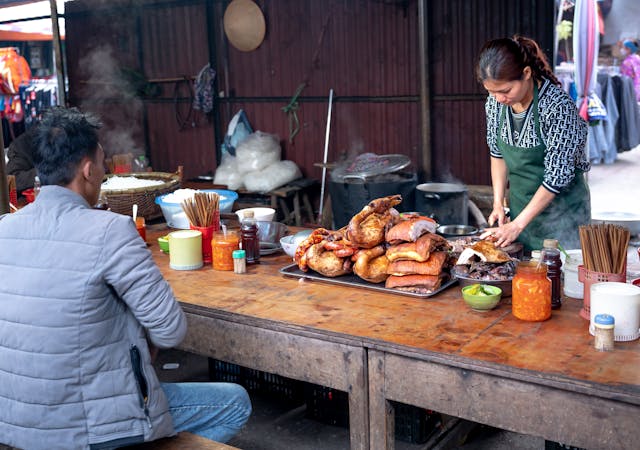
Characteristically, northern Chinese cuisine is based on simple food items such as noodles, dumplings and pancakes. Hearty and comforting foods are the order of the day in such an inhospitable climate, where warming meals are crucial to survive a brutal winter.
Beijing
One of the best parts about Beijing is its street food culture. Signature dishes like crispy, sliced scallion pancakes and fluffy bao place, along with cooking lessons on how to make jianbing, the mega popular savory egg crepe stuffed cilantro and crispy wontons pieces or roujiamo, a braised meat Chinese “burger” display the depth of flavor profiles and textures that define Beijing’s gastronomy landscape. These are considered breakfast or snack dishes, as do many of the city’s quicker bites.
Shandong
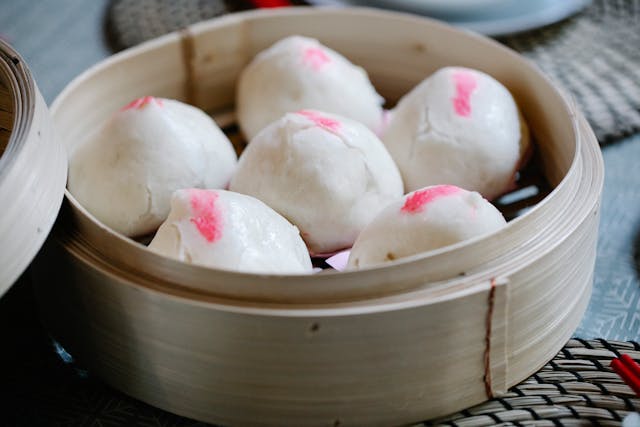
Shandong is one of eight great culinary traditions in Chinese, which is characterized by bold flavors and liberal use of vinegar, including street food mainstays such as Baozi. With a fluffy dough and satisfying fillings, these steamed buns filled with meat or vegetables are eaten as both a meal or snack in the region.
Street foods in China (Southern part)
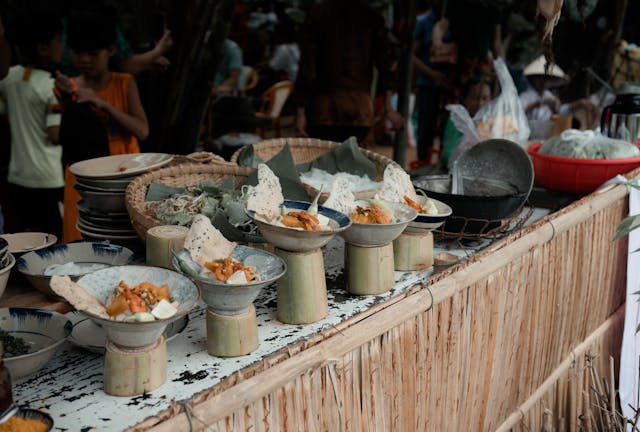
Typically best recognized for its mild, fuul taste (not too many spices) the southern china delicacies facilities round rice, as in maximum different areas. Bur fire and delicious harvests flourish under its indigenous astrological influence: the sunniest, most fertile culinary lands in the world.
Guangdong
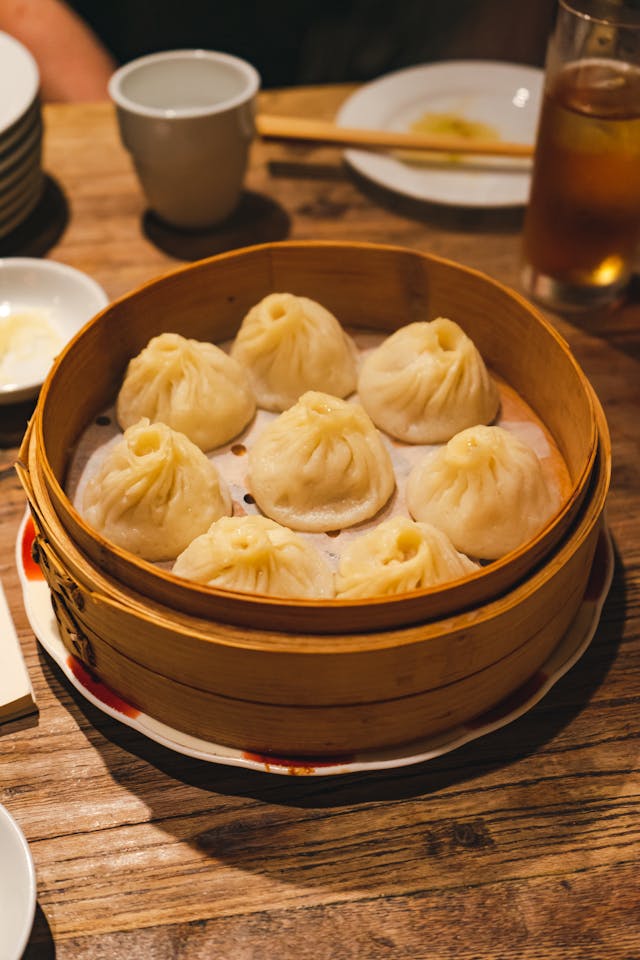
Dim Sum culture thrives in the home of Cantonese cuisine, Guangdong. Bamboo steamers filled with bite-sized portions of food such as Siu Mai (pork dumplings) and Har Gow (shrimp dumplings). Cheung Fun, delicate steamed rice noodles drenched in soy sauce and paired with shrimp or barbeque pork, demonstrates the culinary art and communal dining that are hallmarks of the region (often consumed at Yum Cha morning tea sessions).
Guangxi

Street foods in China of the part of Guangxi tends to feature dishes such as Luo Si Fen which is a strange kind of snail rice noodle soup. Luo Si Fen is popular among locals for its strong smell, unique do-so taste profile and has increasingly become well-liked all over China. Full of flavours the broth is derived from river snails, pickled bamboo shoot and a soup base seasoned with spices- a symphony of textures that mirrors the culinary tapestry of land.
Eastern China
Eastern Chinese Cuisine: expect a sweet flavor profile with heavy emphasis on fresh ingredients including a moderate balance and aesthetic presentation. The rich plains are the main fishing and farming grounds.
Street foods in China (Shanghai)
Relatively speaking, Shanghai’s street food is the most exquisite and juicy. Shanghai LOL, they can come across as straight; Xiaolongbao (juicy pork filling in a steamed bun with hot soup, and Shengjianbao (pan-fried from the bottom for some crunch while leaving the top soft) are both a testament to Shanghai’s culinary pioneering work. Local residents enjoy these dishes, and both locals and tourists will find themselves treated alongside vinegar-ginger dip.
Hangzhou
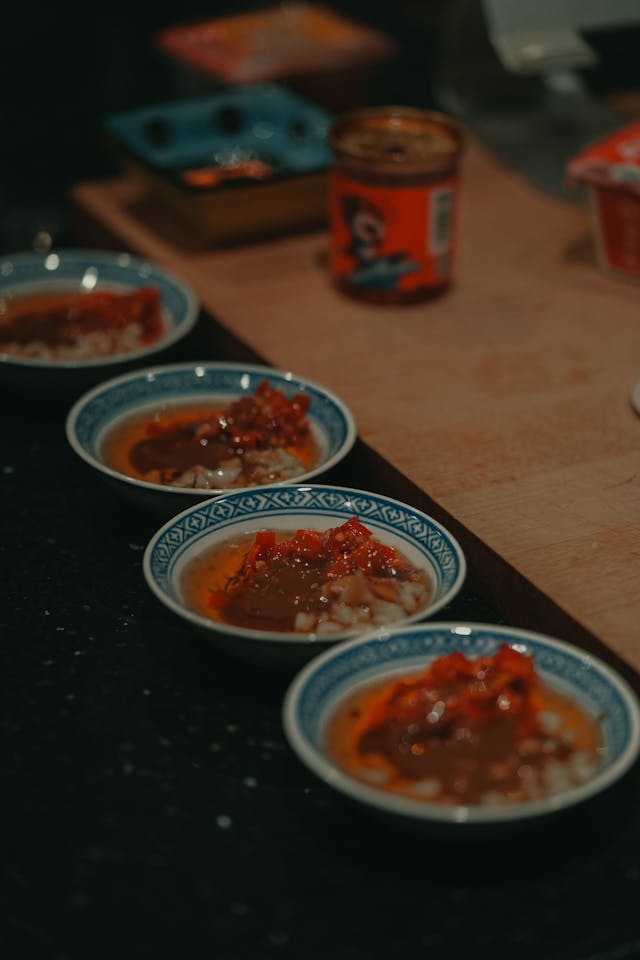
Stinky Tofu, better known as Chou Doufu, is a native Hangzhou, which is famous for its picturesque beauty and profound cultural background. Chou Doufu is severe to even journey, but it is commemorated as a signature for its various tastes and cultural context. The tofu is brined in sour milk mixed with veggies and meats then fried till it gets crispy and golden brown. It is traditionally eaten with a hot or sweet sauce to take the edge off of the strong flavor.
Western China
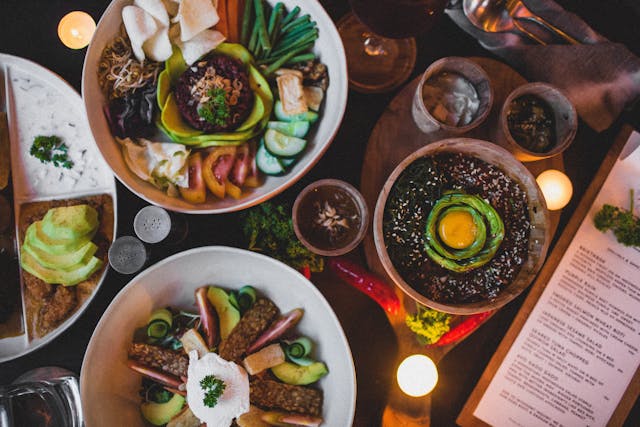
Street foods in China specially in Western Chinese (Sichuan, Szechuan and Hunan) is hot and spicy with ample use of Sichuan peppercorns (the unique tingling ingredient), chilies, and garlic. Africa Source: Africa Perspective The various ethnic groups that inhabit the region contribute to a lively and diverse culinary conversation.
Sichuan
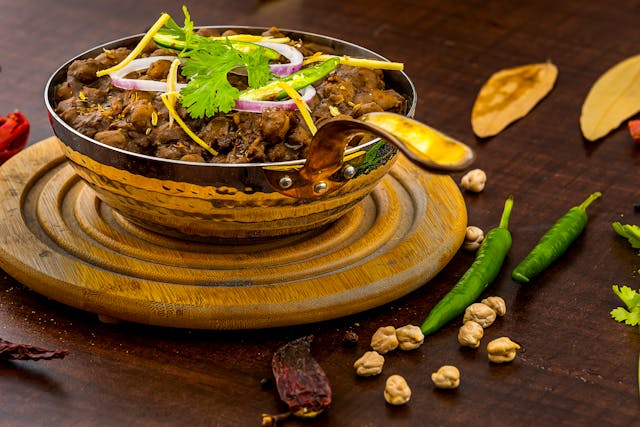
Famed for its fiery street food, Sichuan is home to dishes like Mala Tang (hot pot with skewered meats and vegetables cooked in a spicy, numbing broth) and Dan Dan Noodles (a spicy sauce made from chili oil, Sichuan peppercorns, minced pork, and preserved vegetables). Flavors from these ones are definitely quality and texture and a signature of Sichuan cuisine with their complex, numbing spice.
Xinjiang
In addition to having the aromatic grills and quick breads one might expect from a Muslim-majority region, its street food options include some clear nods to its location in Xinjiang. These are the Chuanr-kababs on skewers seasoned with cumin and load of chilli and grilled upon an open flame. The central Asian culinary heritage is reflected in the types of kebabs eaten with nang bread, as well as rich stews that the desert environment has produced.
Iconic Street Foods in China
Many different street foods in China have made the leap from regional specialties to national staples, celebrated for their unique tastes, consistencies and cultural significance.
Dumplings (Jiaozi)
Dumplings are like a bond, which is often eaten from the family banquet to the festival. Made with a wide array of fillings, potstickers can be boiled or pan-fried. During the Chinese New Year, jiaozi are featured asai stafferthe shape of which is believed to look like ancient Chinese gold ingots and therefore eating jiaozi brings a wish for prosperity opportunities.
Noodles
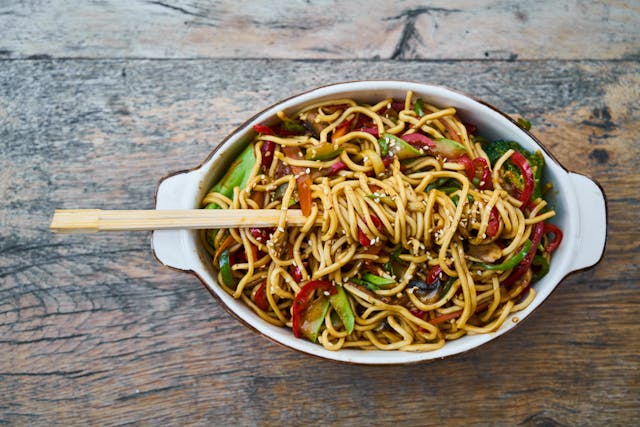
Noodles a central ingredient in the Chinese diet have regional differences that demonstrate diversity of Chinese culinary culture. A specialty of Gansu province, Lan Zhou La Mian hand-pulled noodles are some of the chewiest around and served in a clean beef broth. Chao Mian is considered a standard dish because of its universal appeal and is usually quick to cook in which the ingredients typically include noodles, vegetables, meat (chicken, beef), and a flavorful savoury sauce.
Buns (Baozi)
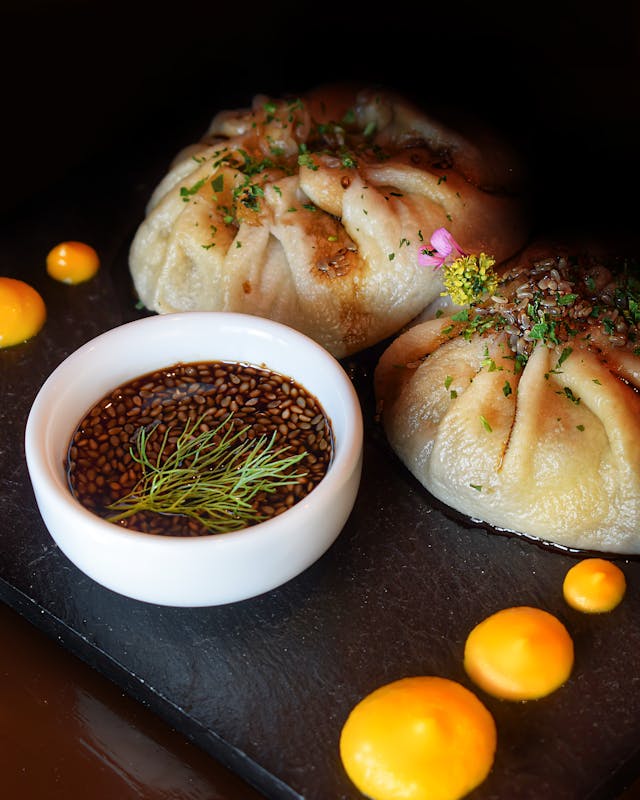
Steamed OR pan-fried, baozi including Char Siu Bao (barbecued pork buns) and Shengjian Bao (pan-fried buns) stuffed with soft dough and tender filling are popular throughout China. Primarily available at breakfast stalls, these buns adapt themselves as the perfect on-the-go meal that commuters can chomp while hopping their way to a busy day!
Snacks and Sweets are famous street foods in China
Chinese street snacks are like snoops who can satisfy the needs of different people who love to eat. For breakfast, try savory crepe Jianbing made with eggs, herbs & crispy wonton in it. Tanghulu – skewers of candied fruit, a popular sweet and sour snack at festivals and fairs in China. In the process not only are you fulfilling hungry tummies also offering a taste of local tradition and flavors.
Street Food Culture and Experience inerture
Street foods in China is about so much more than just the food. It is a cultural experience! The vendors of street foods in China often come from a long line of stories that date back to their ancestors, offering many traditional recipes and techniques born out of cultural heritage and regionless pride. Eating street food is an experience that goes hand-in-hand with meeting people, culture and tradition.
Night Markets of street foods in China
Night markets are an embodiment of all things fun and delicious, providing a cacophony of street food options, entertainment, and socializing. Known for their nightly food bazaars where both locals and tourists flock to taste a variety of local specialties, cities such as Taipei, Xi’an and Guangzhou. Filled with a myriad of food stalls, the markets buzz with sights, sounds and smells that delight all your senses.
Community and Tradition
Many vendors of street foods in China are passed down through generations of culinary development. Most stalls are family-run businesses, utilising recipes and techniques that have been passed down through generations. This is what protects cultural heritage and keeps people rooted in their regions of origin through linked food. Additionally, street food stalls double up as social centers where people tend to hang out with their community over a meal.
Innovation and Adaptation
Historically, variations take place continuously in Chinese street food that combines old-taste with warm blood of modernity to cater to diverse taste-buds and preferences. Classic dishes have been updated with modern ingredients and cooking techniques to create fresh new street food options for the public. Street foods in China continues to evolve, making it relevant and approachable for the generations who follow.
Street Food DOs and DONTs
Eating street foods in China on the streets in China is certainly an experience and there are some rules of etiquette and some tips that can enhance what amounts to a culinary adventure.
Hygiene and Safety of street foods in China
In places to eat street type, you choose where there is a lot of people shopping because the food is fresher and more hygienic. Look at the way the food is served and cooked and choose a stall where the seller wears gloves and maintains cleanliness of cooking.
Interaction with Vendors of street foods in China
You will add to the experience of interacting with street food vendors . Be polite, always smile For those of you who have some dietary restrictions, or have preferences like myself it is useful to know some simple phrases in Mandarin to communicate with the vendors effectively.
Tasting and Sharing
This may very well be the best type of food to enjoy with an open mind ready to try something as-different-from-home-as-possible. Street foods in China are usually small portions, so you can eat many different kinds. It is much easier to try more dishes and share with friends or other diners out of camaraderie when eating street foods in China.
Conclusion
So, all together street foods in China is the proof of that how ancient and variable the country is in its culinary nature more than in cultural diversity. As Chengwu Guo, author of Street Eats in Old Beijing, writes: Street foods in China is a “living fossil” that embodies regional difference and cultural pasts; it is an identifier mingling inherited practices with evolving societies. Whether its the history of street food in Chengdu or a lesson in dim sum with chefs in Guangzhou, each dish is a tale of tradition meets innovation to create great dishes that simply spark joy. But China is changing, and even if just the same tastes on a different menu, these street stalls those few times I manage to find them express local pride and global appreciation as nowhere else in the great land.
What is the future of Street Foods in China?
The future of street foods in China offers both opportunities and challenges, as China modernizes and more of its citizens live in urban areas. While modernization means better infrastructure and food safety, it is also a double-edged sword resulting in the loss of traditional street food vendors as a result of urban redevelopment and strict enforcement policies.
Striking a Balances Traditional yet modern
There is an attempt to balance between the traditional street foods in China and the adaptation of new concepts in Street Food trends. In particular, in some cities, they have limited street vending to a few locations which provides maintenance of hygiene and other safety measures while allowing vendors to keep their businesses running. This tourist influx helps maintain the existence of street food as a livelihood.
Embracing Technology
Technology is having an increasingly impact of street foods China. With the ubiquitous use of mobile-payment systems like WeChat Pay and Alipay in China, payment takes less time than a line-up at Starbucks. Vendors of street foods in China can make use of social media platforms and food delivery apps to help in multi-faceted marketing efforts by promoting their dishes within the community and attracting more customers.
Trends in Sustainability and Health
In addition, the expanded availability of healthier and more sustainable vendor of street foods in China. Increased demand for organics, plant-based choices, and biodegradable packaging What the data also suggests is this influences which kind of foods are sold and serviced, making street foods in China to cater to those with cleaner canteen habits.