


Spanish street foods should be described as an important component of the Spanish gastronomic traditions as a tasty foretaste of the country’s heritage. No matter if you explore tapas bars of big cities or food stands at small villages near the sea, the choice of Spanish street foods and their taste is as vast as Spain. This paper seeks to examine the different hallmarked foods that are available on Spanish streets in terms of their origin, preparation, and social relevance. Spanish want is considered a delicious and diverse cuisine that can be discovered in any street foods in Spain .
1. Churros and Porras: Sweet Starts
Of course, the conversation of Spanish street food cannot be completed without mentioning churros. These dough sticks which are deep-fried and usually sugared or arranged in a way that they can be dipped in a thick warm cup of hot chocolate are mainly taken in the morning as breakfast or as a takeaway snack. Although churros are said to have originated from Spain and Portugal, this delicacy has however gone global. Porras, therefore, which are denser and softer, are also easily conspicuous in Spanish streets. Churros are mainly found in Madrid where people run to Churros shops in the morning in order to have them. Street foods in Spain includes churros and chocolate which is one of the loved and demanded types of cuisine in .
Cultural Significance:
Churros and porras are specialties originating from Spanish culture and are taken particularly during festive seasons and also at night. In so doing, they represent the social aspect of Spanish’s appetite that involves serving and sharing of food with friends and families in particular. Tapas are also one of the features of the the streets foods in Spain which are sold; these are portions of different foods.

2. Bocadillos: The Spanish Sandwich
Spanish sandwiches refer to Bocadillos and they come under the category of street foods in Spain. philly-style soft and crusty baguette bread with different types of filling like jamón (cured ham), chorizo, tortilla (Spanish omelette), or cheese, bocadillos are a great ‘grab it and go’ snack. Every region then puts his/her /their own stamp on it, which locally available spices and flavours. Some of the typical street foods in Spain are fishes especially calamari and prawns.
Popular Variants:
c This sandwich is just a tasty bread with the cured meat from Spain that gives a divine taste.
Bocadillo de Calamares: Originally from Madrid, it is a plate full of fried squid rings and usually accompany with the lemon juice.
Bocadillo de Tortilla: Also made with bread alongside the traditional Spanish omelette, this one is preferred all over the country. Some of the best street foods in Spain are displayed in the colourful marketers.
3. Tapas: Small Bite – BIG FLAVOR
Nevertheless, the place of tapas as a set of small portions today is more of bars and restaurants, however, many of these are available on the street. Tapas mean any food and thus they range from the basic olives to even the most complex seafood meal. In many of the Spanish cities such as Granada and San Sebastián, tapas are served free of charge with the purchase of a drink, hence why, they are famously enjoyed on the streets.
Notable Tapas:
Patatas Bravas: French fries, the garnishing can be a spicy tomato sauce or garlic mayonnaise.
Gambas al Ajillo: Stir fried garlic shrimp that garnished to be served in little earthenware pots.
Croquetas: Small tubes of pasta dough that are filled with a cream based sauce – béchamel; with optional additions of ham, cheese or seafood.
4. Empanadas and Empanadillas:
From the English word pastry, which means baked dough food, and delight which means a thing that gives joy, Pastry Delights was named. Street foods in spain sold in the streets use fresh ingredients obtained from Spanish markets.
Cured hams are other famous delicacies and empanadas, which are pastries that are filled with meat, veggies or fish are a staple in Spanish street bars. These, having originated in Galicia, are now popular all over Spain. Empanadillas which are the smaller version of empanadas are just as common and can be easily seen in markets and street vendors. While it is normally a formal dish, which is consumed while seated, it is also part of street foods in Spain.
Common Fillings:
Tuna: Similar can be used with tomato and red pepper which is apparently loved in the coastal region.
Meat: More often than not beef or pork that has been marinated with paprika and other herbs.
Vegetable: Many sorts of seasonal vegetables, which may sometimes include cheese.

5. Pulpo a la Gallega: Octopus, Galician Style
Also originating from the Galicia region, Pulpo a la Gallega which is octopus specialty, is one of the most famous Spanish tapas served on the streets. Octopus tender muscle is first cooked in boiling water and then seasoned with adequate coarse salt, Paprika and olive oil. Boiled potatoes usually accompany it and it is best when served on wooden plates. This dish can be most easily found in the fairs, markets, and seafood stalls locations all over the country of Spain. Empanadas is one of those special mains that are often attributed to the streets foods in Spain and they come with meat,cheese or vegetables.
Preparation: The octopus is normally cooked whole and after which it is cut into uniformly round steaks known as medallions. The use of just soy sauce makes one enjoy the natural flavor in the octopus, making it the leading choice for lovers of seafood. In the following case, small grills and spices can be smelled in the areas where street foods in Spain are prepared.
6. Pinchos:
Some of the most popular and quite possibly the simplest of the Basque Country’s treats sized appropriately for an escorted tasting. They are kinds of foods that are sold street foods in Spain and they give the consumers an impression of Spanish cuisine.
Pinchos or alike pintxos are sort of appetizers which are usually put on the piece of bread and fastened with the toothpick. They are an inseparable part of the Basque identity and they are usually taken with(txakoli – a white wine or the cider). I can be made in its basic form or even gourmet, where the pinchos’ can be stuffed with anchovies, pepper, and cured meats. . Among the Spanish dishes, street foods in Spain that people should never miss is the patatas bravas.
Varieties:
Gilda: Large olives, anchovy fillets, covering with pickled peppers by the title of the film with Rita Hayworth in 1946.
Txampis: Garlic and parsley stuffed mushrooms which are sometimes garnished with ham.
Pulpo: PRINTER PUFFS with octopus in different sauces and spices.
7. Talo con Chistorra:
The Basque Country Product is an Automatic stabilirizer and is a form of Expenditure Multiplier.
Another dish exclusive to the Basque region is the talo con chistorra which is a compressed corn bread partnering chistorra, which is a thin sort of chorizo. The preparation of this dish is especially preferred back in festival and fairs occasions and therefore today it is one of the most common street foods. Given the smoky spicy reddish sausage, it complements the slightly sweet slightly crispy talo. Most people on the holidays and travelling to Spain need to taste the spanish street foods in Spain.
Cultural Significance: Talo con chistorra on the other hand is a true representation of Basque People’s tradition which is usually prepared for festivity and events. Its preparation and, particularly, its consumption are the proof of the regional focus on the developed culinary culture. There will be a variety of Iberian street foods in Spain incorporated in the festivals .
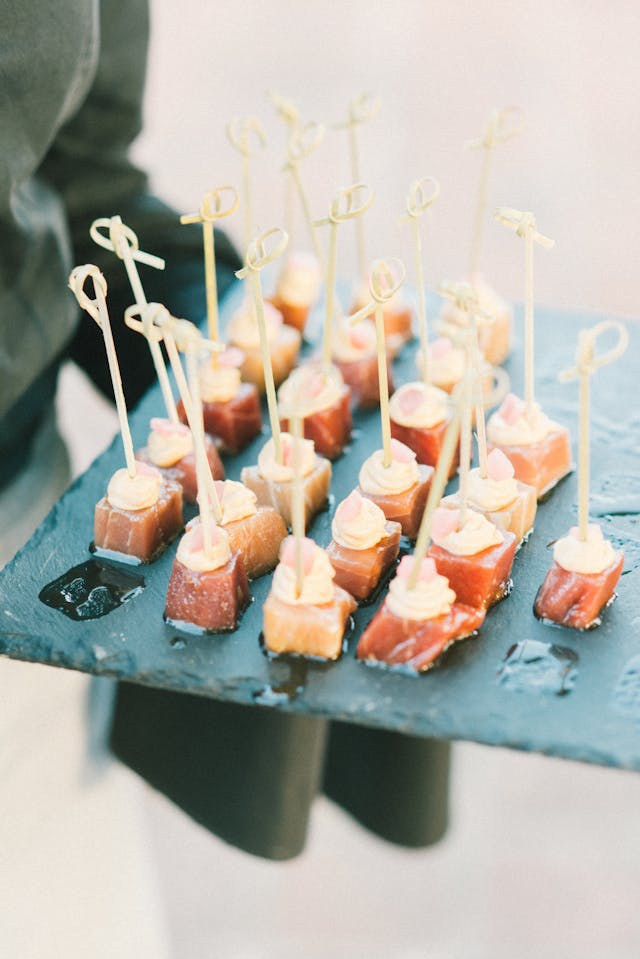
8. Migas: A Rustic Delight
This fried recipe is called ‘Migas’ in Spanish and is prepared with garlic and features bread and other items such as chorizo, peppers, and eggs. previously considered a shepherds style meal, migas is now a Spanish street food that is sold throughout the country although particularly in the countryside and also at fair occasions. Cheese and cured meats are popular street foods in Spain, among others items
Preparation: The bread used is first soaked and then crumbled and then fried along with the other ingredients. Altogether it is a tasty and satisfying meal that witnesses how Spanish people invented much of true haute cuisine cooperating with limited ingredients. Looking at the Spaniards, one can clearly see that they have taken awful, greasy street foods in Spain and made them visually stunning.
9. Pimientos de Padrón: Literally a bite from the unexpected.
These are small green peppers that are first fried until they develop a sort of blisters on their surface and are seasoned with sea salt. These peppers are normally relatively mild, once in a while you get one that is hot and thus each bite contains a potential kick. It is a food that comes from Galicia although the preparation and the consumption is now widespread all over Spain commonly consumed as a tapa or a street food.
Cultural Significance:
Traditionally, they are cultivated in the area of Padrón in the Spanish region of Galicia. Due to their uneven spiciness they have become rather entertaining and a favorite dish which is usually eaten in groups especially in the bars and markets.
10. Castañas Asadas: Roasted Chestnuts
During the cooler months, that is in the later part of autumn up to winter season, one of the most common aromas that can be felt in most Spanish residential areas includes the grilled chestnuts or castañas asadas. These are chestnuts cooked on charcoal stands and a common street delight sold in a paper cone, and very much ideal for consumption while on the move. The presence of the regional impact can also be noted with relation to street foods in Spain.
Cultural Significance:
Roasted chestnuts are also lovely during festivals and Christmas markets since they connote the warmth extent to people during the festive season.
11. Tortillitas de Camarones:
The second recipe entails Shrimp Fritters.
Originally hailing from the province of Cádiz on the south of Andalusia, tortillitas de camarones is the tasty fritters made from tiny shrimps. These thin, rusk-like snacks are made using chickpea flour, water, onions, parsley and shrimp all fried to golden brown. They are a delightful fast food that is very popular in Andalusia and especially the coastal regions. Despite the fact that street foods in Spain are mostly considered to be an informal dining, they are indeed very appealing especially as regards with sweet and salty palates
Preparation:
The prepared batter is poured and spread thinly over the hot oil and thus when biting, the crust is crispy whereas the shrimp succulent. They are ordinarily eaten with lemon juice accompanying them.
12. Montaditos: Miniature Sandwiches
Montaditos are small sandwiches which are made with different fillings, served on mini rolls, or slices of bread. They are effected similar to the tapas but are distinguished in the aspect that they are creating bread conceptions. Additives commonly used consist of jamón, cheese, smoked salmon, and different sorts of spread.
Popular Chains:
100 Montaditos: A fairly well-known fast food restaurant which has a variety of montaditos and the prices are very reasonable making this place favorite among people and travelers.

13. Espetos: Skewered Sardines
Espetos are sardines grilled on charcoal on sticks, and were typically prepared on the coastline of Málaga. They are seasoned with sea salt, and grilled so that they develop a crisp skin and tender flesh on the inside. Apart from being a method of preparing food, this is also a cultural process that unites people and shares time around the fire.
Cultural Significance:
Espetos are as integrant of Andalusian beaches culture as beer is to the evening watching the sun set into the Mediterranean sea.
14. Buñuelos: Batter Fried Sweets or Savory Toppings
Buñuelos are round, puffed and fried dough products which can be of sweet or savory types. The sweet one, sometimes is stuffed with cream, chocolate or fruit and rolled with sugar and this is very much for a festival. The savory variations can be cheese, cod, or vegetables. Typical Spanish street foods in Spain do not prohibit one from enjoying them whether it is in the middle of a Spanish city or in a small Spanish village
Popular Occasions:
Buñuelos are consumed during Holy Week and the Valencia festival of Las Fallas in particular.
15. Churros de Yuca: A Latin Twist
Apart from the ordinary thick churros, you might also see churros prepared from cassava flour, churros de yuca. The wheat flour version of these churros is slightly more compact but the taste is just as good. They can be served with the same sort of dark chocolate dipping sauce to get an added bonus of risking the traditional delicacies’ looks.
Cultural Influence:
The composition and preparation of yuca is of Latin American origin and its application can be attributed to areas where Spanish street foods intermingled with Latin American cuisine.
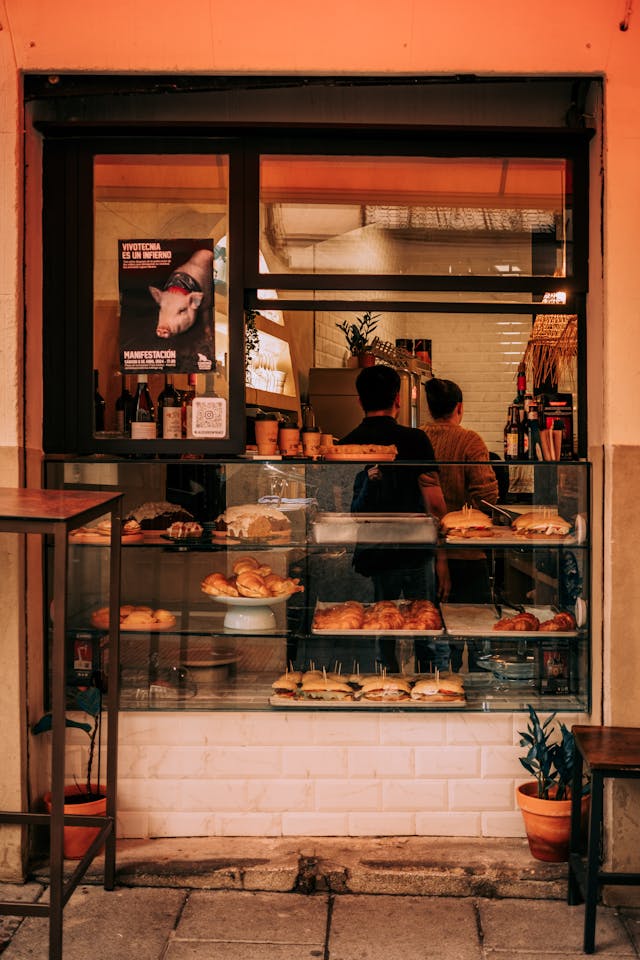
16. Bocata de Lomo:
Pork Loin Maryland-style Finally I proceeded to consolidate my pork loin Maryland-style sandwiching style.
Lomo (pork loin) can be prepared as a sandwich with thin slices of this meat initially grilled and accompanied by pepper of red pepper, cheese and at times an egg that is fried. This fulfilling sandwich is well known in many areas and such a sandwich is often eaten at lunch time or in the mid afternoon. Looking at the Spaniards, one can clearly see that they have taken awful, greasy street foods in Spain and made them visually stunnin
Preparation:
The favorite cut used for this preparation is the pork loin which is seasoned with raw garlic and herbs before barbecuing.
17. Turrón: A New Year’s Tart
Fondeado is similar to turrón: almonds, honey, sugar and egg whites; consumed particularly during the end of the year holidays. There are two main types: It is classify into two namely the hard turrón (turrón duro) and the soft turrón (turrón blando). Although turrón cannot be classified as a street food as such, marzipan is usually available in during the holiday season, particularly at street markets and fairs.
Cultural Significance:
Turrón has been a traditional confectionery associated with the Spanish Christmas celebration for several centuries, directly connected with the Spanish Moors’ period. Cucumber and carrot and/or beet salad, cold, roasted pepper or cold vegetable soup such as gazpacho which is often taken as street foods in Spain is sometimes included.
18. Granizados: Icy Refreshment
Granizados are soft ice conjunctions which are decorated with fruit juice or coffee determining the desired vane of the Spaniard food loving public. Examples of natural flavors are lemon, and coffee. These beverages are consumed during the summer time and find their way into street stands and cafes.
Popular Variants:
Granizado de Limón: Citrus and invigorating lemon flavoured slush dessert.
Café Granizado: A Beverage based on coffee flavored ice and milk to be consumed during the warm months as a pick-me-up drink.
Conclusion:
A Culinary Adventure
Spanish street food is what can be described as delicious and diverse having a natural taste of Spain. The choice of dishes differs with regions of the world, the ingredients and traditions of the people and histories. From a warm churros covered in chocolate sauce to the grilled skewered meats called espetos on the Spanish coast the street foods of Spain are an expertly chosen and mouth-watering sample of the true essence of Spain.
Strategies for Street Foods Engagement
Be Adventurous: And never be shy to order a dish you never took your taste buds through before. This can be attributed to the fact that the street foods in Spain come in different forms and types, hence guaranteeing the patron that there is always a dish which he or she has not tasted before.
Watch and Learn: Watch how people of the particular region take their food and how they savor it. This can help you get the feel of where to eat and how to enjoy your meal most.
Stay Hygienic: Of course, most of the street foods are not poisonous but it would do well to pick a vendor who is fairly clean.
Conclusion: A Gastronomic Picture
The Spanish cuisine is the culinary experience of different communities that combine to make up the Spain population, demonstrated through its street foods. Street food in Spain, ranging from what you can find in ravishing cities like Madrid or simple food stalls at Galician markets, is a guide to Spain’s diverse food culture. All in all, street food in Spain is an intense and unforgettable experience, whether one is enjoying the pure pleasure of crisp churros or the experimental taste-bud explosion of pulpo a la gallega.
Advent tips for Eating Street food in Spain
Explore Local Markets: The food markets such as the La Boqueria in Barcelona or Mercado de San Miguel in Madrid are good places to try various tapas.
Join the Locals: Also, if there are signs of people waiting for food, those with long queues are likely to be good.
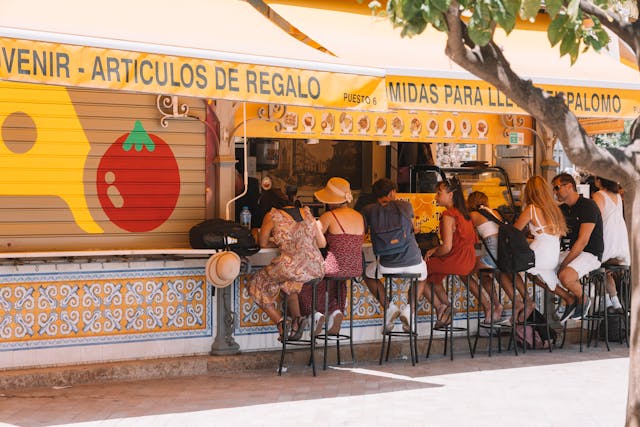
stall vendors where customers are waiting for their turn to eat simple foods.
Try Regional Specialties: The taste buds in each region may offer different dishes so ensure that you taste some of the foods they have to offer.
Embrace the Culture: In Spain eating street food has more to do with the experience rather than the food that is consumed. Interact with the providers of services and other customers in order to maximize the experience.
Asly, Spanish food sold on the streets tells a lot about Spanish food culture and Spanish people. So, if you are a real gourmet or just a beginner in the world of different countries’ cuisine, Spanish street food will pleasantly conquer your tongue and make you learn more about the internal life of Spain.