


Table of Contents
Tourism is considered to be one of the biggest and one of the most rapidly developing branches of the economy. He has an important function in the formation of economy of different countries. But, in the uncontrolled and unplanned manner of developing sustainable tourism as an industry, there goes the natural resources and environment. Thus, there is the possibility of development and different methods of tourism, during which environmental conditions are also taken into account. Sustainable tourism is very important for developing countries like Bangladesh, as it can contribute not only to economic development, but also to environmental protection and balanced development of sustainable tourism .Sustainable Tourism: Definition and Importance Sustainable tourism refers to the tourism which should be responsive to the requirements of the world not only at present but also in the future. It is managed in balance with economic, social and environmental aspects Three main pillars of sustainable tourism: Economic Sustainability: Benefits such as boosting the local economies and coming up with new employment opportunities through tourism. Socio-cultural sustainability: Dealing with respect of culture, tradition and society of the country of the program execution. Environmental Sustainability: preservation of natural resources and the environment Bangladesh Tour: An Overview Tourism industry in Bangladesh is in pushy right now. Some of the significant tourists’ attractions are Sundarbans mangrove forest, Cox ‘s Bazar sea beach, archaeological sites and ruins, religious places –mosques, temples, tea gardens, hill tracts, waterfalls etc. Again, in 2023 the estimate of the number of tourists is rising. Nonetheless, Bangladesh is still lagging in the aspect of sustainable tourism. Infrastructure Development: Otherwise, poorly designed and largely anti-environment infrastructural development is taking place. thus exerting strong pressure on the environment. Inadequate waste management: There is a growing threat towards the environment mainly due to poor waste management in tourism. Lack of public awareness: Lack of information on sustainable tourism and environmental conservation Among the locals and tourists There is poor development of structures in relation to the environment.: Poor implementation of structures in the different tourist zones is leading to development of structures that are unfriendly to the environment. . Inadequate waste management:

Infrastructure development
Several things have to be done in order to sustain tourist activities. Some important strategies are discussed below: The following is a list of balances: Planned infrastructure development: Risk assessment and environmental impact assessment must always be conducted in any given sustainable tourism country to support the development of structures of the tourist industry. Uncontrolled growth of unwanted hotels & resorts in area like Cox’s Bazar and Sundarbans must be ceased. A feasibility study on the environment situation and consultation with people of the particular area is necessary before construction exercise. Sustainable tourism Improving waste management system: The proper waste management system should be put in place in the tourist . This is pertinent not only in keeping the environment clean, but also in the preservation of vulnerable health standards. Efforts should be made to minimize the content of recycled materials and the application of plastic. Public awareness raising: There is need to have sensitization among the local people and the tourists regarding sustainable tourism and protection of the environment. Awareness workshops and campaigns should be presented in schools, colleges and neighborhoods with the help of commercials and posters. Participation of local communities: Local people and their opinion should be considered being valuable. Self-employment of people should be enhanced and their revenues should be protected when developing tourist activities. Promotion of eco-friendly tourism activities: The government should also promote tourism activities that would not harm the environment and/or would even enhance it such as the eco-tourism, argon-tourism and culture-tourism and sustainable tourism .This will not only benefit the environment but will also increase employment opportunities for citizens of the country Economic benefits The enhancement of consumption of products that are locally produced Sustaining tourism is an effective way of supporting the economy of a country. Sustainable tourism also offers employment opportunities for the people, and reports that it assists the development of domestic industries. For instance, launching a sustainable tourism scheme in a country’s rural sector enhances the quality of local crafted items and local restaurants and hotels benefits Sustainable tourism equally has impact in enhancing social enhancement. It maintains the cultural integrity of the society and it also offers equal development of every segment of the society. Tourists interact with the population of the visited country and intercultural interactions occur. Environmental impacts Tourism is quite useful when it comes to the protection of the environment. It assists in preservation of natural resources and species’ biological diversity and sustainable tourism.
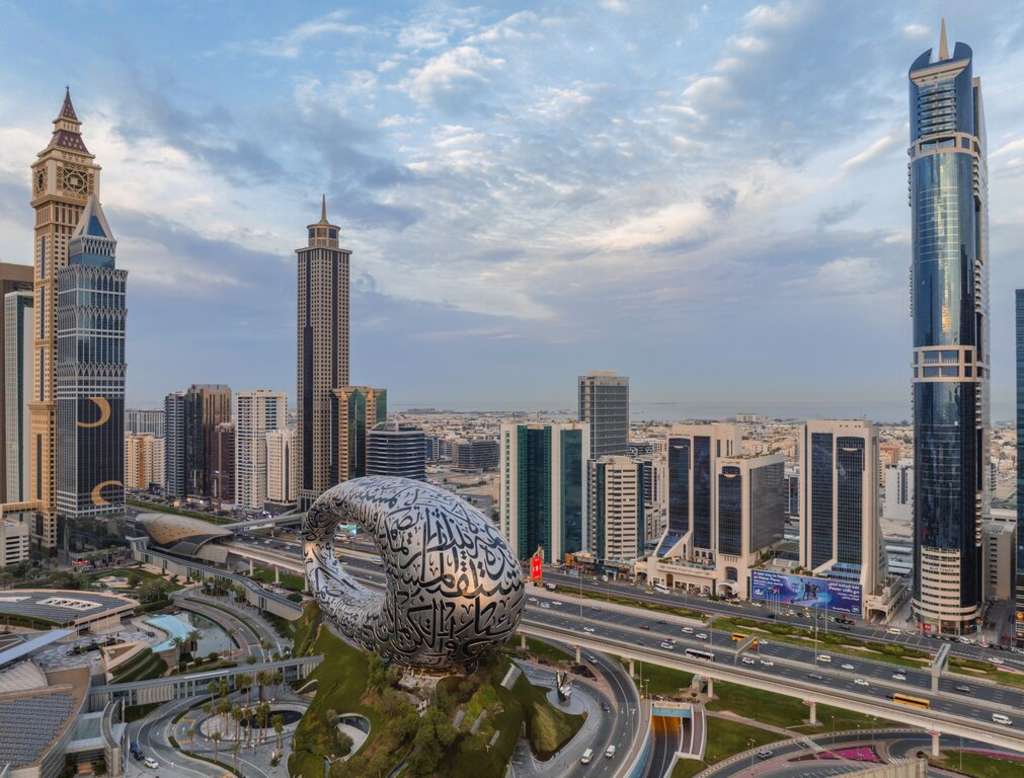
Anthropogenic activity
Environmental impacts Since tourism is an anthropogenic activity, negative impacts exerted on the environment by the activities of the subsector should be alleviated to check on environmental degradation as much as possible. These include: Tourism options that contribute to the protection of natural resources including water, forests, and wildlife; Prohibition of environmental pollution including waste management, recycling, and use of natural resources such as energy. Protecting biodiversity: It is the district that has been a spearheading the initiatives to protect and conserve the local Diversity. Economic Concerns Sustainable tourism also focuses on the economic aspects meaning economic health and equitable development. These include: Local Economy Development: Economic development boost through the local consumption and services. Employment Creation: Providing employment to people across the country in the tourism sector The role of social and cultural impacts is also significant where Cultural assimilation and Ethical tourism are the requirements of social and cultural sustainability. These include: Culture and way of life: protection and development of culture, customs, and beliefs of local sustainable Tourism as a social activity, which means the interaction of tourists with other members of society. Local Community Empowerment: Promoting decision-making accessibility to the local people. Hence, social and cultural sustainability tourism involving the respect of cultural and institutional norms of the respective community is crucial. These include: Culture conservation: the protection of culture s of selected communities and giving them visibility. Social inclusion: with regards to the social relations tourism is about linking tourists with the locals and forming social networks. Local community empowerment: of Sustainable Tourism Environmental Challenges Climate change: Greenhouse gases from tourism operations and other tourism related industries. Natural resource depletion: SOCIAL CHALLENGES However the following are social challenges of sustainable tourism: Over exploitation of resources leading to or over- tourism Natural resource depletion; Oversupply of services thus struggling to meet demand. Foreign Investment: This is through outsourcing which results to loss of developing locally based firms by global investors. Seasonal Employment: Employment based on the tourism :& Cultural Issues :Culture Erosion: This is where a culture of a place is changed or loses its originality as a result of tourism influence. Social Inequality: The emergence of new problems, such as growth in social inequality in the regions that are focused on tourism development. Community Cohesion: Tourism leads to segregation of people within the host community Planning and Policy Issues organizational level, planning and policy issues are specific to tourism.

Community participation
Community participation A number of key factors hold the ability to affect tourism sustainability locally. These include: Two: participatory planning is a process of carrying out planning together with the target population. Training and empowerment: making local people skilled in the tourism industry Awareness raising: Education of the tourists and the call to responsible tourism sustainable. Conservation and recycling There is need to encourage conservation and recycling in as far as use of natural resources is concerned. These include: Protection of the environment: Efforts that are taken in the protection of natural resources, Recycling: efforts that are made in the recycling of wastes and the use of products that can be reused. Use of renewable energy: Employment of green energy concerning sustainable tourism and travelers. Best practices of sustainable tourism. Such as in Costa Rica of course, where sustainable tourism has been made possible. They have been appreciated globally for various strives in safeguarding the environment, expansion of local communities, and continued culture preservation. Environmental Conservation: Thus, to this day, Costa Rica still struggles to save the forests and maintain the bio-diversity Local Involvement: Employment for the locals in the sphere of sustainable tourism. Education and Awareness: Measures for enhancing understanding of the environment by tourist Measuring up to the Principles of Sustainable Tourism Improvement Strategies The planning and policy development for sustainable tourism is a critical aspect. Strategies include: Policy formulation: Promote sustainable tourism activities through effective polices and regulation formulation. Local Planning: Engagement of the locals in the tourism planning and development in order that their consideration may be thought of. Technological integration: Supervision and control of the action of the tourism sectors in order to optimize the use of new technology. Community Participation is significant in tourism. These include: Management by People: This asserts that people especially the local people are the core to tourism planning and management. Training and Empowerment: Education and training of people living within the community so as to improve their capabilities and prospects in the tourism sector. Awareness raising: Informing the tourists about the conditions that are necessary for sensible and ecological tourism. Conservation and Recycling One of the main aspects that environmental sustainability involve is conservation and recycling programs. Key strategies include: Protection of environmental resources: Measures that can be taken in order to protect the natural.

Environment challenges
Challenges to Sustainable Tourism Environmental Challenges Tourism poses a variety of environmental challenges, including: Climate change: The tourism operations are some of the causes of green house emissions that cause climate change and depletion of resources such as water and land. Waste management: Necessary waste control and recycling measures to avoid pollution Economic factors for achieving economic sustainability of tourism are the following: Economic Inequality – another challenge is to ensure that tourism revenues provide benefits for more communities instead of being accumulated by few persons or Foreign investment: how to maximize the benefits of the investment indicating the possible negative impacts on the local population or businesses. Seasonal Employment: Solving employment problems which relate to the tourism season, so achieving economic development. Unrest for workers. Social and Cultural Challenge Social and cultural challenges Cultural degradation: This is one of the negative effects of tourism in which the various societies that a region comprises usually has its culture and traditions watered down by the influx of tourists. Social inequality: Another conflict which arises from the use of tourism is social injustice among members of a given community. Community Cohesion: Addressing the threat of splits within communities resulting from different views towards tourism; Bhutan could also be named as the country with high-added-price tourism. The country has been able positively agree to an edgy between tourism and culture as well as sustainable tourism and the environment. Key initiatives include: High price, small effect: This determined policy of Bhutan is to charge high tourism fees to control the number of tourists and offer superb service. Cultural Preservation: Preservation and enhancement of the Bhutanese cultural values are also given importance. Local Economic Support: Raises income of local people and additionally creates an added value in the economic growth process. Conclusion Sustainable tourism is the best way through which tourism deities in affecting and impacting the host communities and the travel positively. Implementing sustainable tourism circumspect environmental conservation, economic stability, and social, and cultural respect shall create a better and a more resilient world tourism industry. Issues of sustainability especially with regards to sustainable tourism, are well understood and need the effort of policymakers, more inclusion of the people, and emphasis on conservation and recycling endeavor of sustainable tourism. As in the worldwide case studies of successful countries, it is clear that with proper strategies and polices,
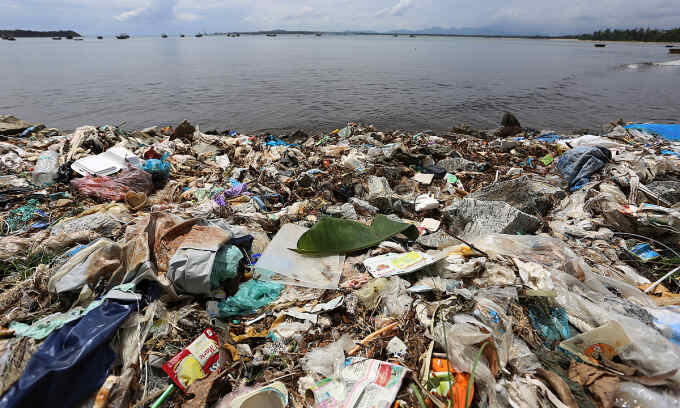
Important of sustainable tourism
Importance of Sustainable Tourism Sustainable tourism is very important for several reasons: : Promotes the conservation of nature and scenery, flora and fauna, and all other aspects of the natural environment that may be affected in and around tourism facilities. Cultural preservation: Preserves the local culture the local heritage and heritage sites in order to pass on to the future generations. Economic growth: positively impacts the local communities of sustainable tourism. the subsequent income is a sustainable source rather than contributing to the enhancement of living standards and eradicating poverty. Social Equity: Fosters Fair Distribution of Tourism’s Benefits, Decreases Inequality Environmental Factor in Sustainable Tourism This component seeks to ensure that sustainable tourism resources are protected for use by future generations. These include: Renewable Resources: Creation and management of protected park including national parks and, marine parks for conservation of ecosystems. Resource Management: Practices of conservation of water and energy, ideas about using natural energy sources Tourism, particularly the negative impact it has on the wildlife, wildlife conservation for instance the endangered species. PRT can increase such kinds of pollution as air, water, and land pollution Taking Everything into Consideration Sustainable tourism aims to reduce pollution through: Topic C- waste management- This is the practice of managing waste through proper methods of waste disposal like recycling and composting to minimize production of wastes. Reducing emissions: Encouraging the adoption of green transportation through the use of clean vehicles including EVs, and bicycles to cut short air pollution. Water Quality: Avoiding pollution of water bodies with sewage and wastes during development of tourism activities Bhutan is an example that has implemented a tourism policy that targets the production of high values for tourism while at the same time creating minimal impacts. The country has been very tactical in developing tourism while at the same time preserving cultures and being considerate to the environment. Key initiatives include: High-cost low-output strategy: The number of tourists is regulated through a high tariff in Bhutan guaranteeing a qualitatively high services provision. Cultural Preservation: Preservation and enhancement of the cultural feature of the country that belongs to the Bhutanese alone. Local Economic Support: Tourism Income Guaranteeing. This resource local societies and can positively influence the economic growth. Conclusion Sustainable tourism is very important.
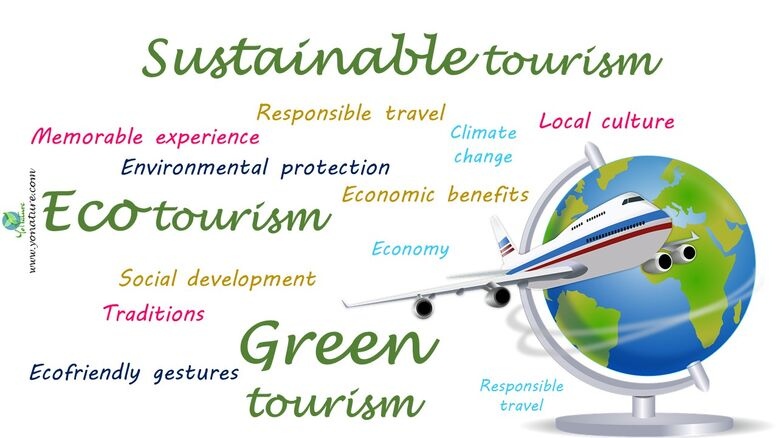
Biologic diversity
Sustainable tourism emphasizes the protection of the biologic diversity since the ability of all the species to thrive ensures the health of an ecosystem. Key strategies include: Environmental preservation: minimizing the impact of the tourism development on the environment through avoidance of disruptions of natural habitats through development of access structures. Invasive Species Control: Regarding biotic factors, it involves stopping the entry of new species that may bring disorder into the ecosystems within the geographical range of sustainable tourism. Ecotourism: Promoting of numerous ecotourism activities since the tourists will always support conservation of ecosystems. Economic Aspects of Sustainable Tourism Local Economic Development Sustainable tourism supports local economic development by: Tourism and buying local: turning tourists into consumers of services and goods, thus boosting the economic activity of the region. Job creation: such as the creation of employment for the populace, hence lowering the levels of unemployment and improving on the populace’s general income. Community-Based Tourism: This involves the positioning of tourism products and services where the ownership and management are offered by the local people ,sustainable Tourism revenue must also be spread out across different groups in society There are several ways of ensuring the equitable distribution of income in the tourism sector Economic sustainable involves the distribution of the tourist’s money in such a way that it benefits the local community in proportion to the tourism development. These include: Income equality’s designing policies and practices for the entire population, especially for the vulnerable populations; from tourism: fashioning a system of sharing the tourism revenues so as to finance some of the needed community needs. Social and Cultural Characteristics of Sustainable Tourism Cultural Tourism Sustainable tourism is all about saving cultural antiques and traditions. this involves safeguarding historical places and ensuring that the tourism activities do not endanger or compromise the place hence the heritage protection. Cultural sensitivity: informing visitors about cultural peculiarities, for it is beneficial to avoid interfering with local’s daily life. Cultural Experience: Encouraging cultural event-based tours and travels with an aim of as well as enabling the tourists to enjoy cultural events and lifestyles of the area. Social responsibilities and community participation Integration and participation of the local communities inclusive in the planning and development of tourism is one of the principles of sustainable tourism. These include: Community involvement or incorporation: the process of engaging all and sundry, but particularly the people in the community in which tourism development is to occur in decision making processes concerning the development of sustainable tourism.

Greenwashing
Sustainable tourism however, is not without shortcomings and disadvantages despite its positive implication of limiting harm or detrimental effects and maximizing benefits such as; for the latter’s social, economic, environmental and political structures as well as resources. Such issues may result from poor implementation, externalities, and trade-offs between sustainability objectives and economic development and tourists’ preferences. The focus of this detailed research study is on the negative aspects of sustainable tourism and their difficulties. Environmental defects 1 Overdependence on natural resources Even with sustainable practices, tourism leads to overuse of natural resources such as water, land and This overdependence can lead to: Encroachment: When a large number of tourists visit an area water resources become under immense pressure especially if the region suffers from water shortage. Ecosystem Disruption: However, any form of tourism whether it is responsible tourism affects the geographical and wildlife habitats of the area involved. Infrastructure even sustainable tourism, often requires infrastructure development, which can have adverse environmental impacts: Negative impact on wildlife: Because of the construction of hotels, roads, and other amenities the natural environment can be destroyed. Sustenance of contamination include construction of congested structures such as buildings, chocking with wastes and transport vehicles. Carbon Footprint Travel, especially long-haul flights, contributes significantly to greenhouse gas emissions: Transportation: Most tourism activities require travel, which is facilitated by aircrafts that release a lot of gases in the atmosphere negating local environmental enforcement. Local transport: Can express sustainable tourism: local but, on the other hand, those who overly promote sustainable tourism are aware of the fact that unless regulated it can invite more carbon emissions about the drawbacks of sustainable tourism, the main goal is to reduce the negative effects and amplify the outcomes that will be beneficial to the local population. sustainable tourism is a very crucial aspect society. Greenwashing Some tourism businesses engage in “greenwashing” where they market themselves as sustainable tourism without putting in enough effort: Conflicting claims: Tourists must be very careful because there are businesses that claim to be sustainable when in fact they are not, damaging credible initiatives and consumer trust. Erosion of values Businesses can perform a mere face-lifting of organizations instead of addressing the issues of sustainability. Growth and sustainability are two significant issues that are interrelated with each other but in most cases, they clash with each other due to the push for
sustainable tourism business growth.
