


Philippines tourism
The Philippines is an utopia in South East Asia, made up of more than 7,000 islands. Famous for its beautiful coastline, a marine diversity that is second to none, a cultural scene as old and as rich as time itself and the warmest hospitality you can find on the planet – the Philippines tourism offers something for everybody. This post will take you on a different facet of Philippines tourism, showing their best destinations, unique experiences and some practical tips to better your vacation.
The Allure of the Philippines tourism
Natural Wonders
For Philippines tourism, Philippines is blessed with beautiful natural wonders. You can find everything from crystal-clear water and white sandy beaches in sustainability-conscious Boracay, to the Chocolate Hills in Bohol on this beautifully nature-rich country. The Puerto Princesa Subterranean River National Park in Palawan is a UNESCO World Heritage-listed site with an impressive limestone karst landscape and sea changes where you should spend at least one day.
Chocolate Hills (Bohol)
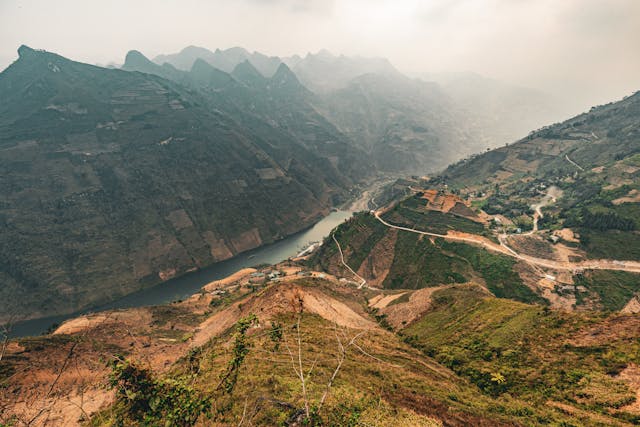
A geological formation in Bohol Province, Philippines with at least 1,260 hills but there may be as many as 1,776 hills spread over an area of more than 50 square kilometresnces. This is becoming a more common sight behind the dry season as these hills turn brown which is how the name was derived and are creating their own haunting landscape.
Mayon Volcano
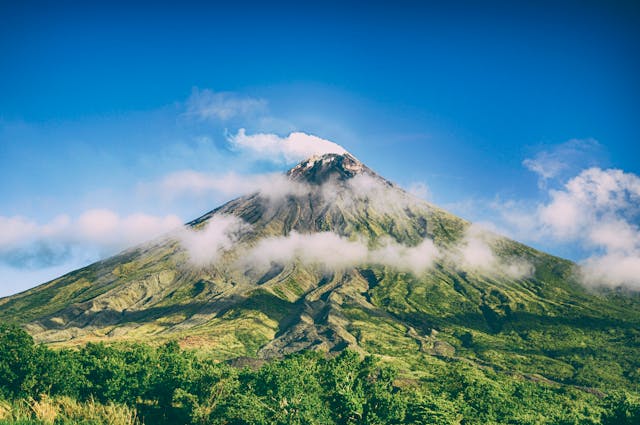
Probably the most famous active stratovolcano known for its perfect cone shape, Mayon volcano in Albay gives a breathtaking vista best seen via photographs. For the adventurous, in Philippines tourism there are hiking opportunities up the volcano or you may head down to Cagsawa Ruins close by for a touch of history and an awesome viewing point over the volcano.
Beaches and Islands importance sources of Philippines tourism
For Philippines tourism the Philippines is a country known for its picturesque beaches and islands, all boasting their own treat of paradise.
BORACAY
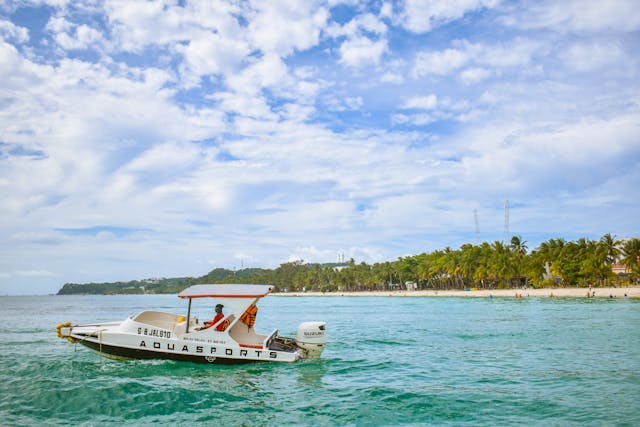
Situated along the famous White Beach, this internationally acclaimed isle offers pulsating nightlife, extreme water sports and chic luxury resorts. It’s a great place where you can be as relaxed or have the adventurer in you unleashed. In the Philippines tourism the island also holds many events and festivals like the annual Boracay International Dragon Boat Festival.
Palawan
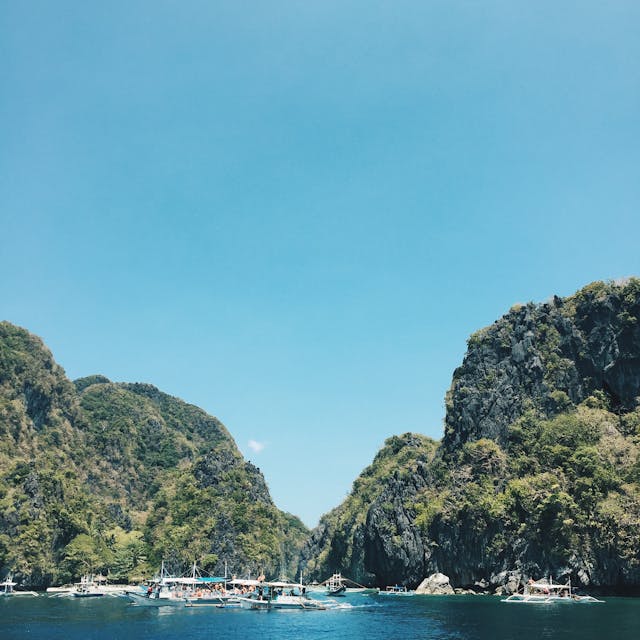
Dubbed the “Last Frontier”; Palawan houses the untouched islands of El Nido and Coron, famous for their pristine white beaches with tropical limestone cliffs, turquoise lagoons and vibrant marine life. It is the ultimate destination for diving, snorkelling and island-hopping. Coron is popular for its shipwreck diving sites and El Nido is known for its hidden lagoons and secret white sand beaches.
CebuMore of a balance between metropolitan living and the outdoors. Visitors can explore Cebu metropolitan area, visit historical landmarks such as Magellan’s Cross; before venturing to nearby Moalboal for awesome dive experience, including the famous sardine run. Badian-Ilocos Norte – Kawasan Falls in Badian is also a very popular place to visit because of its beautiful azure colored waters and canyoneering adventures.
Siargao:
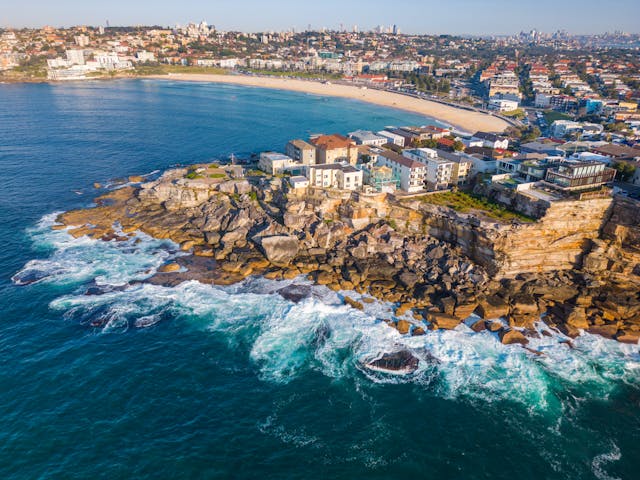
Dubbed as the surfing capital of the Philippines tourism, Siargao is flocked by surfers from all over the world. The island provides more than just surfing, it includes lagoons, rock pools & a relaxed vibe. Magpupungko Rock Pools and Sugba Lagoon are also two of the popular sites on the island which boasts natural beauty.
Cultural Heritage
In my write-up about the Philippines tourism, it is a well-known fact that our country has a very colorful culture and rich heritage. It has a very heavily Spanish colonial cultural feel to it and the culture is everywhere from its architecture, religion, and fiestas.
In Philippines tourism Vigan, Ilocos Sur – Known for its architectural heritage as a UNESCO World Heritage site and Asian-Latin culture. Its cobblestone streets and horse-drawn carriages enhance this old-world feel. Its ancestral houses and shops also gives us a glimpse of the old ways in Calle Crisologo.
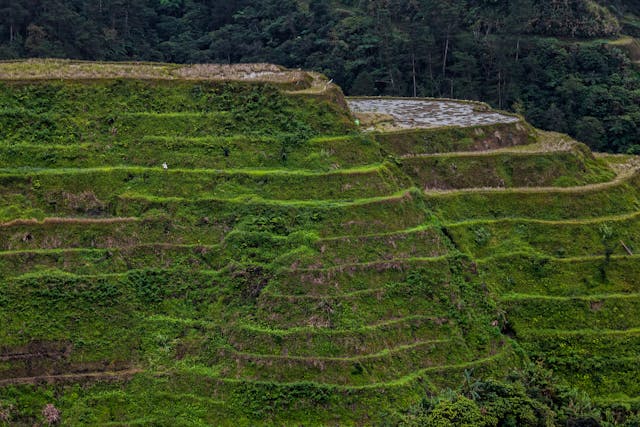
Ifugao Rice Terraces: Dubbed the “Eighth Wonder of the World,” these rice terraces — such as those in Banaue and Batad, Ifugao Province — stand as an example of the inventiveness and endurance of the Ifugao. For over 2,000 years, the terraces have been carved into the mountain and are still used for rice cultivation today. One can hike in and amongst the terraces and get close to nature and culture.
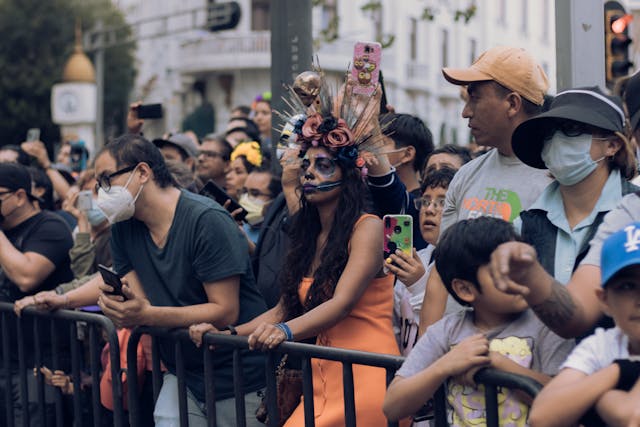
Fiestas and Festivals – The Philippines is home to festive and colorful celebrations; Ati-Atihan in Kalibo, Sinulog in Cebu, Pahiyas in Lucban. These festivities are intricately woven into the Fiber of Philippine culture and religion that they paint a very good picture in the way we observe traditions the Filipino way. Ati-Atihan Festival- This is one of the oldest and widely celebrated festivals in the country where natives can be seen dancing to tribal drum beats on festive costumes.
Adventure And Outdoor Activities of Philippines tourism
If you are the adventurous type, Philippines tourism has a lot of outdoor activities in store for you, from beginner to advance level.
Diving and Snorkelling:
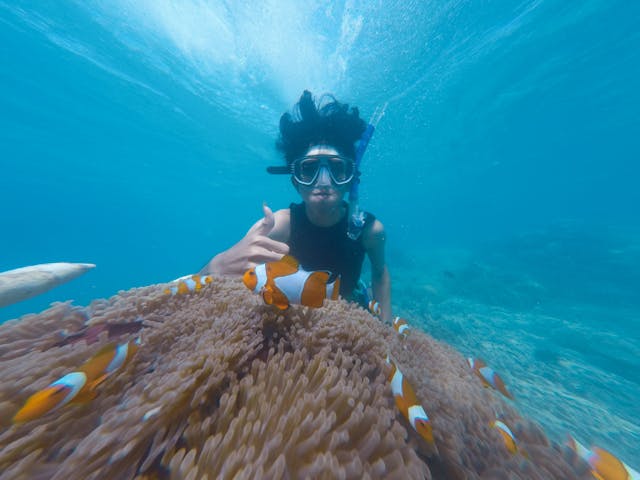
with over 7,000 diverse marine creatures, the Philippines is a standout amongst the most loved destinations for suba diving. The Tubbataha Reefs Natural Park, Anilao in Batangas, and Apo Island are some of the world’s best diving spots. Tubbataha Reefs, UNESCO World Heritage site has a recorded dive species of 600 kinds of fish and 360 coral.
Hiking And trekking
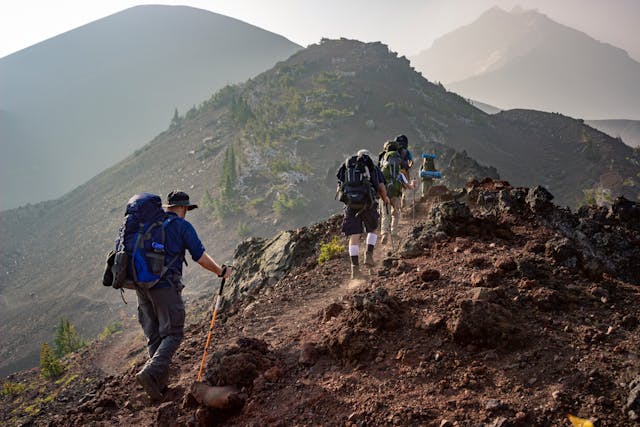
United-States_of_America as a Tourist Destination Hiking and Trekking: With a mixture of diverse terrain the country is perfect for those who passionate to hike. The most popular trails are Mount Pulag which is the 3rd highest peak in the Philippines tourism and Mount Apo, the highest peak in the country. They both provide amazing views and all these exotic plants and animals. The mountain, featuring an abused sea of clouds and the critically-endangered Philippine eagle that nests at the foot of Mount Apo, is Masarup’s last hope.
Surfing :
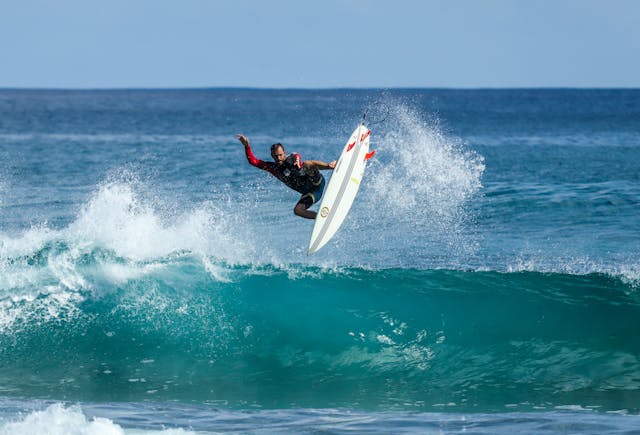
Apart from Siargao, several other great surfing hubs in the country are located in La Union, Zambales and Baler. All locations provide waves that cater to the full spectrum of surfing skills and experience. Baler is also an historical capital of surfing in the Philippines For Philippines tourism it has so much importance.
Water Sports:
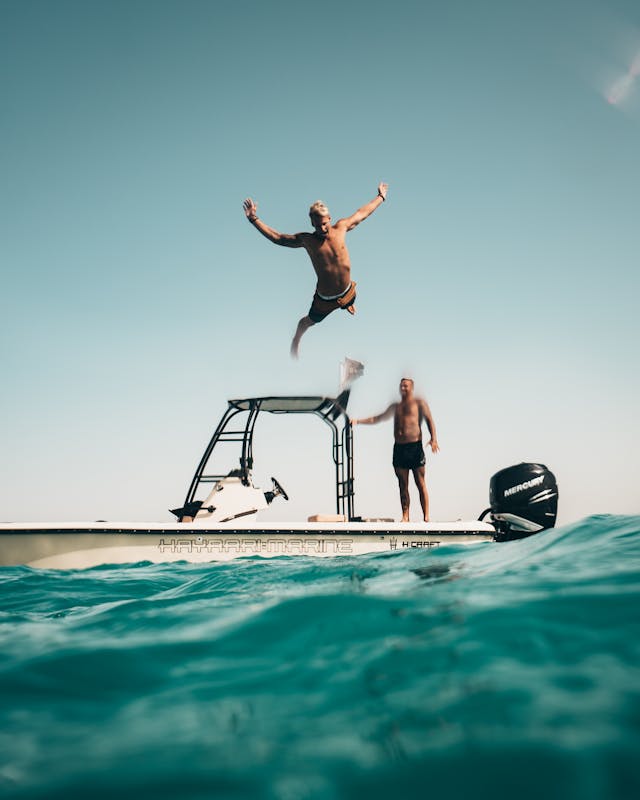
Kayaking, kiteboarding, windsurfing and paddleboarding are only some of the water sports offered in the Philippines tourism across so many islands. These colorful, clear and inviting waters are ones that not only reflect the sun in a beautiful way but also provide for ideal wind conditions needed for the beach sailing. A perfect place for kayaking and paddleboarding, with calm lagoons, and stunning seascapes around Palawan.
Discover the hidden underworld of the country through Caving and Spelunking:
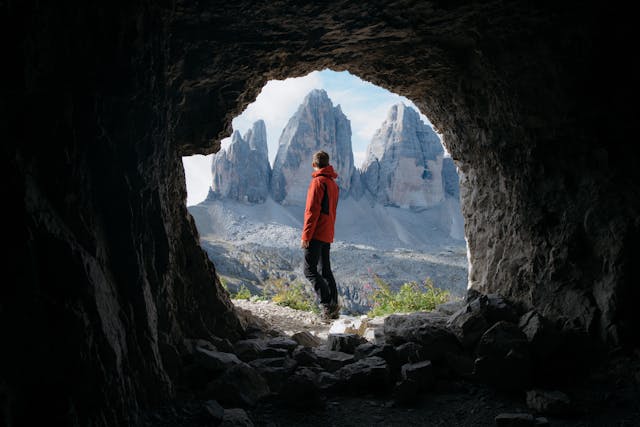
The bubbling with caving potentials Philippine has a lot of caves still unexplored. Callao CaveCALLAO CAVE, CAGAYANThe Callao Cave has a natural cathedral-like chamber in Philippines Map Foto: Sun Star Sumaguing Cave SAGADAThe Sumaguing cave has more challenge and excitement in the Philippines tourism to those who wants adventure inside caves which this under ground rivers an rock formations.
Thrills for the adrenaline junkies : If you are not contented with the white sand beaches, clear waters and numerous islands of the emerald green country – Philippines tourism has also an adventure offer to satisfy your thirst for novel experiences, crazy endeavors like ziplining in Davao or skydiving in Bantayan Island, should give you the rush you needed during this summer break 7. Seven Falls Zipline in Lake Sebu – Highest Zipline in Southeast Asia
Culinary Delights
Deliciously Filipino – a fusion of indigenous, Spanish, Chinese, and American influences that comes together in one amazing gastronomical treat.
Adobo

Probably the unofficial national dish of Filipinos, adobo is a savory stew made up of either chicken or pork marinated in vinegar, soy sauce, garlic, and spices. A must try for everyone is visiting the Philippines or planning for Philippines tourism. It differs in every region, some provinces add a little more from other ingredients to it.
Lechon:
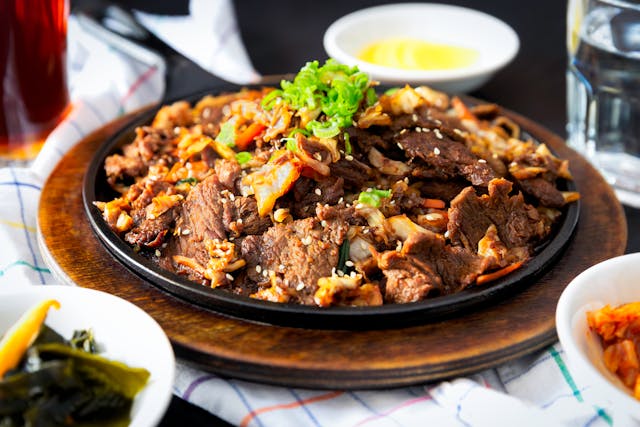
This roasted pig dish which makes an appearance at celebrations galore is crisped to perfection on the outside and tender within. Aside from a lechon, Cebu is best known for its lechon in the Philippines tourism. Cebu’s lechon got featured in an episode of No Reservations: Anthony Bourdain wherein the chef labelled it as the “best pig ever”.
Sinigang:
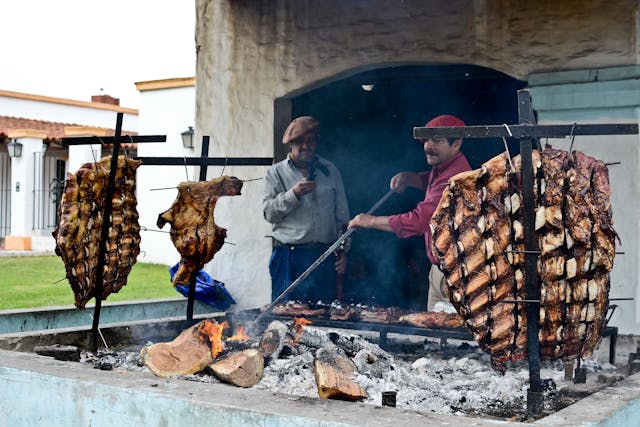
A sour soup with pork or shrimp and mixed vegetables with tamarind and tomatoes A smooth, savory dish that reflects the taste of Filipino food at its best. Sinigang can be made with green mango and calamansi.
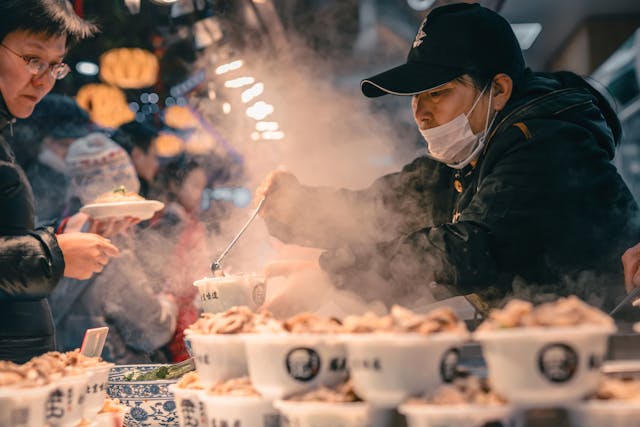
Street Food involves in the Philippines tourism: Street food is an adventure. Common delicacies are balut (boiled embryo), isaw (grilled innards of the chicken), halo-halo,(Message me if you can come across more). You also shouldn’t miss street food such kwek-kwek (quail eggs wrapped in deep-fried orange batter) and taho (sweet snack with silken tofu, syrup, ad sago pearls).

Fruits – The tropical climate means that a wide variety of fruits are grown, including the usual suspects like mangoes and bananas through to the wonderful durian. This needs to be eaten fresh and you might easily spot them at the markets or street vendors all over the country. Philippine mangoes and especially Guimaras mangoes are very sweet and some of the best in the world.
Eating Cultures in the Philippines – Special Regional Dishes for the Philippines tourism the Philippines Regions The Bicol region, for instance, is home to fiery food like Bicol Express and Pampanga for their popular sisig — a sizzling dish consisting of the pig face meat and liver.
Practical Travel Tips
Best Time to Visit
For Philippines tourism when to travel to the Philippines the best time to visit the Philippines is during its dry season from November to April when the weather is generally hot and sunny. The wet season is from May to October with heavy rains and the occasional typhoon. That being said, the shoulder months in May and November are also good times to go with less crowds and marginally lesser fares.
Visa Requirements for Philippines tourism
Citizens of at least 157 countries can enter the Philippines without any visa and could stay in the Philippines for typically up to 30 days. But of course, it is always a good way to verify the visa requirement with our latest information during trip planning. Visas – You need an onward or return ticket in order to enter the Philippines, and those who plan on staying longer can go to the Bureau of Immigration to get their visas extended.
Language that may learn tourist for Philippines tourism
In the Philippines, English is used as the second language everywhere so it is easy for the tourists to communicate also. The official national language is Filipino, but there are hundreds of regional languages and dialects. If you wish to make your travel more enjoyable, try to learn a bit of Tagalog first (The foundation dialect of Filipino).
Currency that may need for Philippines tourism
The Official Currency: Philippine Peso (PHP) In the main cities and tourists spots you can use credit cards, but is still recommended to always take cash, especially when heading to some of the more isolated locations. ATMs are (farming land) fairly common around the country, but you really should have cash on hand in smaller bills and coins to save time.
Transportation
Transport in the Philippines can be an adventure. Fastest Mode of Transportation: Domestic Flights between islands. For shorter distances, bus, jeepney, tricycle, or ferry services are frequently used. You can also rent a car or motorbike for more flexibility. Major cities have ride-hailing services such as Grab, which are available.
Health and Safety for Philippines tourism
Travel insurance is recommended and routine vaccines should be up to date. Avoid drinking tap water and use bottled or purified water only. Though, the Philippines tourism is pretty safe for tourists, as always it’s a good idea to be aware of the prevailing travel alerts and take normal precautions. Use caution in nighttime areas or when you are by yourself.
Connectivity of Philippines tourism
It is incredibly easy to stay connected in the Philippines, as Wi-Fi access is readily available in most hotels, cafes and public areas. SIMW (General Mobile Price): 3 to 5YTL in mobile phones bought from airport & corner shops. Globe and Smart, which work on good frequencies of 3G and 4G connections, have some very affordable plans.
Sustainable of Philippines Tourism
As the concern about ecological degradation heightens, sustainable tourism also takes root in the soil of the Philippines. Across the globe, numerous destinations are also taking steps to conserve natural resources and encourage sustainable tourism.
Responsible Travel
We advise all visitors to be mindful of local traditions, respect local customs, help the local economy and take care over your environmental impact. Small steps such as not using single-use plastic, eco-tourism and coexisting with wild animals can prove to be hugely beneficial. Reusing water bottles and bags, and throwing out waste in the right way are simple ways to join the sustainability battle.
Eco-friendly Accommodations in Philippines tourism
For instance, a number of resorts and hotels now provide eco-friendly options, from using solar power to waste reduction programs and sourcing the food and materials that are used in sustainable ways. Staying at these lodges also contributes to conservation efforts. For instance, the Amorita Resort in Bohol has sustainable practices while the Lagen Island Resort in El Nido advocates conservation and community engagement.
Marine Conservation
Some of the richest marine biodiversity in the world is found in The Philippines tourism. Contact responsible dive shops, join beach clean-ups and avoid activities that harm marine life and corals. How to help: Among these is an archipelago in the Philippines that hosts many marine protected areas like Apo Reef and Tubbataha Reefs, which are supported by Philippines tourism to fund their conservation.
Cultural Preservation
Supporting cultural preservation initiatives such as the promotion of heritage sites, attending local festivals and buying original handicrafts will help preserve its rich cultural facet. If we get to know the lifestyle in local communities and their traditions, through this way, we can realize how people are different or similar at once and started think about respecting each other.
Regional Highlights
Luzon
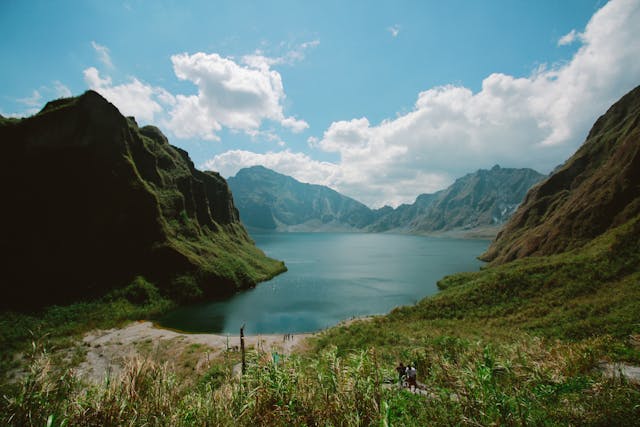
Luzon, the biggest island in the Philippines tourism, with the energetic capital of Manila and wide array of attractions.
Manila:

The capital city blends the contemporary with history. Among the best tourist attractions are Rizal Park, the National Museum Complex and the busy markets of Divisoria those includes in the Philippines tourism. The sunset in Manila Bay is arguably the thing to see, and a meal to remember can be found on a trip to Binondo, the oldest Chinatown in the world.
Baguio: Although you are beat the high temperature, and is often known as the “Summer months Investment capital on the Australia.” Which features Burnhan Park, Baguio Cathedral and BenCab Museum Its centerpiece is the Panagbenga Festival, a monthlong flower festival of the city.
Sagada (hangings coffins and caves) by far our first in second is Caramoan on your way to Daet, Camarines Norte These include spelunking at Sumaguing Cave, hiking to Bomod-ok Falls, and seeing Echo Valley.
Visayas
The Philippines tourism Consisting of many islands in the central part of the country, Visayas is famous for its beautiful beaches and colourful festivals, as well as it’s long history.
Iloilo – Renowned for its Spanish colonial churches, old houses, and the Dinagyang Festival held annually in January. Side-trip to well known Guimaras Island, which is known for making the sweetest mangoes of the world and white sands beach.
Negros: It is divided into Negros Occidental and Negros Oriental. Bacolod – The capital of Negros Occidental and for having the best place to eat with its MassKara Festival. Another spot is Dumaguete in Negros Oriental where you can find Apo Island, and comb through the white sand of Manjuyod Sandbar.
Leyte Province: This province has historical importance since its the place where General Douglas MacArthur stepped on during WWII. The attractions to visit will include the MacArthur Landing Memorial, the San Juanico Bridge and the beautiful Kalanggaman Island.
Mindanao
It is an island group located in the southernmost major island of Mindanao, known for its unique and amazing cultures, jungles and awesome mountain adventures these are really attractive in the Philippines tourism.
Davao: Davao City – Mt Apo, the highest peak of the Philippines tourism and home to the Philippine Eagles The city is renowned for the Kadayawan Festival, a festival of various madassserves in Mindanao and bountiful yields.
Cagayan de Oro – the “City of Golden Friendship” is where white-water rafting adventures on the Cagayan River and the annual Kagay-an Festival May be experienced.
Siargao – Known for its surfing, but Siargao is also home to island hopping, Sohoton Cove Shrine and Sugba Lagoon tours.
Lesser-Known Gems
Batanes
Batanes is the northern most province of the Philippines tourism and is famous for its hills, traditional Ivatan stone houses, and seascape that you see on postcards. The isolation of the province has kept the province unique in terms of culture and landscapes, and an a place not to be missed by those who seek calmness and natural beauty.
Camiguin
The “Island Born of Fire” camiguin, also being referred to as so because of the volcanic origins is where you can find hot springs, falls and another historic a sited which is the Sunken Cemetery. Lanzones Festival – a local harvest of tropical fruit, lanzones.
Romblon
Known for its marble industry and unspoiled white sandy beaches, Romblon The variety of species makes sibuyan island, which is part of the province romblon, also called “Galapagos of Asia”. Mount Guiting-Guiting is definitely not for the faint of heart who love trekking.
Siquijor
The area is known to be magical and for the healing power it holds; indeed, Siquijor uses a lot of healers that patch people up using various traditional methods. This idyllic island offers amazing white sandy beaches, waterfalls, caves and more. Cambugahay Falls and Salagdoong Beach are the must visits.
Conclusion
A country designed for every type of traveler, the Philippines tourism is a destination that serves all tastes and preferences one may come across. With its beautiful natural scenery, rich culture, and friendly people, it is a place that definitely deserves your visit. The Philippines tourism has an experience for everyone, whether you want adventure, chill by the beach, immerse in culture or go food tripping.
Tips for preserving paradise: How to do sustainable Philippines tourism do in mind that this country is very beautiful, and must stay like this for many years later, do it by respecting the environment and the local culture. So toss your bags in the trunk and start scrounging around for wonders of the Philippines tourism ( a real jewel on South East Asia).