


Few things in the world are as luxurious and decadent than a gourmet culinary tour through France. Cream of the Crop: Must-Try the local food in France from Paris to Provence from busy city avenues to undeveloped country land, the local food in France is a cultural experience for everyone. Every region has its own, rich specialties that were crafted through centuries of tradition and the plentiful local bounty. We will venture into the tempting world of French local food, unveiling some hidden gems and traditional dishes that capture a real taste of the local food in France.
The Charm of French Cuisine
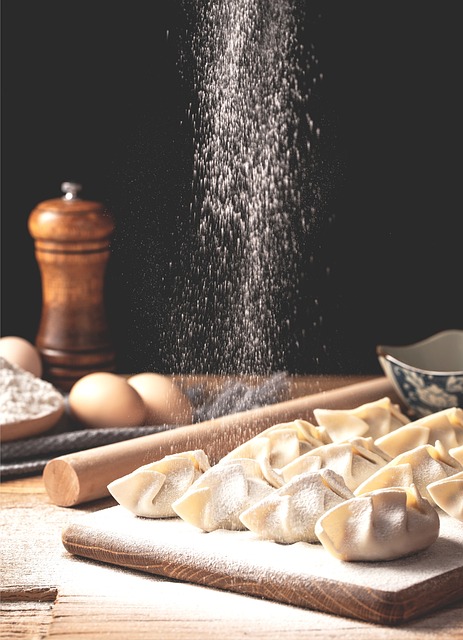
French cuisine is recognized by many as the nature of cooking and food preparation, not to mention that it celebrates the quality ingredients in extremely luxurious dishes. A cuisine that respects traditions and welcomes modernity, making it a captivating world where we are always discovering something new. From a slather of creamy butter on the simplest baguette to an elaborate multi-course meal, both elements demonstrate that at its core, French food is all about taste and how it looks as well.
The Art of French Dining
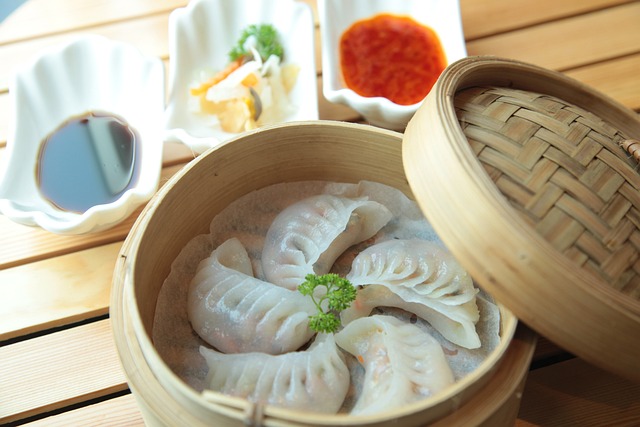
Local food in France, dining is more than simply a meal; it’s a social event that serves to unite people. The French love their food and you will not be rushed in a Paris restaurant with meals being leisurely, slow-paced experiences full of chatter and laughter. Whether you are in a busy corner bistro or Michelin-starred dining room, every meal is an opportunity – for the chef as well as their guests.
Regional Delicacies of the local food in France
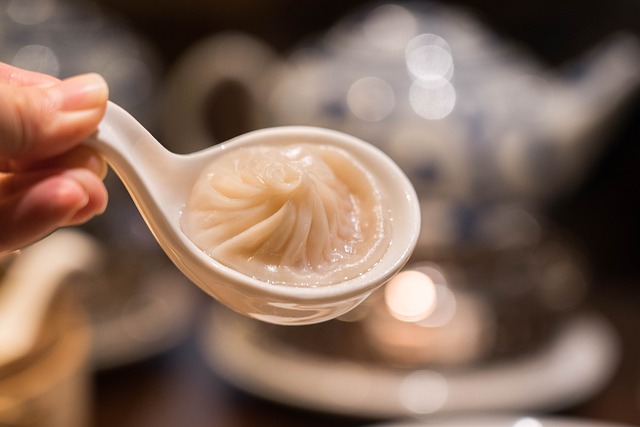
This has everything to do with France’s varied geography and climate, both of which contribute to the range regional specialties found throughout the country. The local food in France every region provides unique Flavors and culinary practices characterized by the local ingredients along with cultural influences that mold it.
Paris, The Heart of French Gastronomy
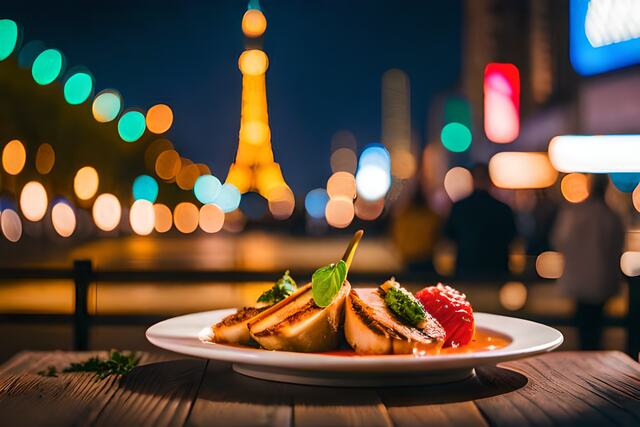
Paris – the culinary capital of France and a Mecca for all foodies! City that is home to an oversupply of patisseries, boulangeries and markets with flaky croissants (to die for) & artisanal cheese by the bucket. Here are the must-try local food in France Paris:
French: The ideal crunchy on the outside, soft in side bread that makes a sandwich every time.
Croissant: The perfect breakfast pastry, and oh so buttery & flaky.
Coq au Vin (French Chicken in Red Wine Sauce with Mushrooms and Bacon)
Crème Brulé – A creamy custard dessert with a hard caramel crust.
Exploring Parisian Markets
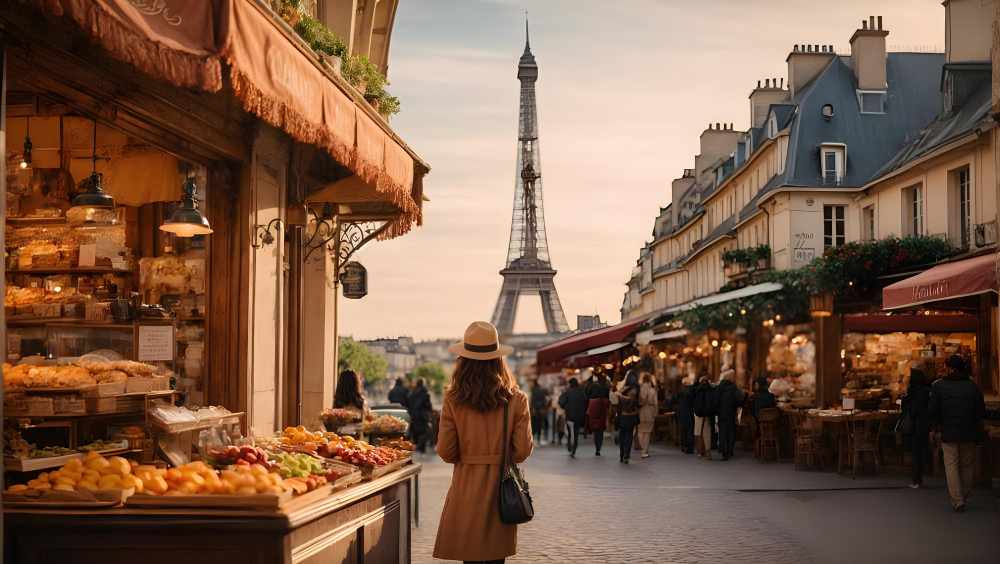
Strolling through the markets of Paris is one of my favorite ways to experience the local food in France’s culture. In the Marais area, you can visit the oldest covered Parisian market: Marché des Enfants Rouges where they sell fresh produces real French cheeses or typical food. The Marché d’Aligre, close to Bastille is a favorite among locals for its vibey ambiance and good local food in France’s stalls.
The Weight of Culinary Schools
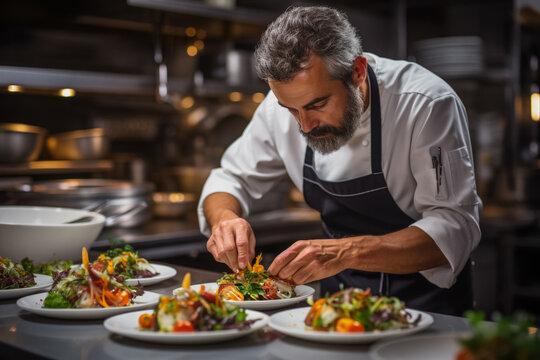
local food in France, Paris has also world’s best culinary schools of delicious food and deserts like Le Cordon Bleu, École Ferrandi. Many of the top chefs in today’s culinary world graduated from these colleges. The influence of these schools translates to an unyielding support for exceptional culinary developments within the city.
A Symphony of Flavors, Provence
In Provence, southeastern France, where the food is bright and fragrant. A radiant climate like elsewhere in the area, paired with lush soil means that cioppo allow ingredients from fresh produce to fluffy herbs and olive. Provence Key Dishes are:
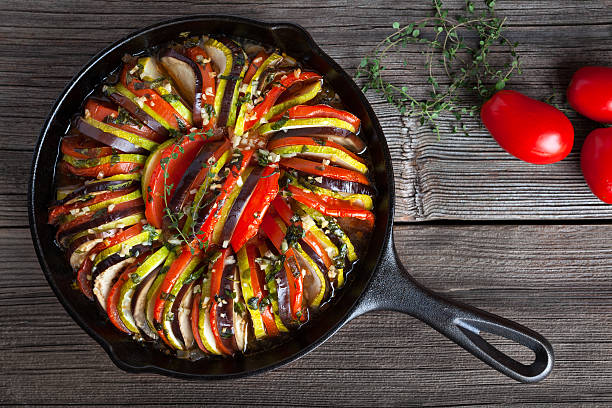
Ratatouille: a mix of eggplant, zucchini (courgette), bell pepper and tomatoes seasoned with herbs de Provence.
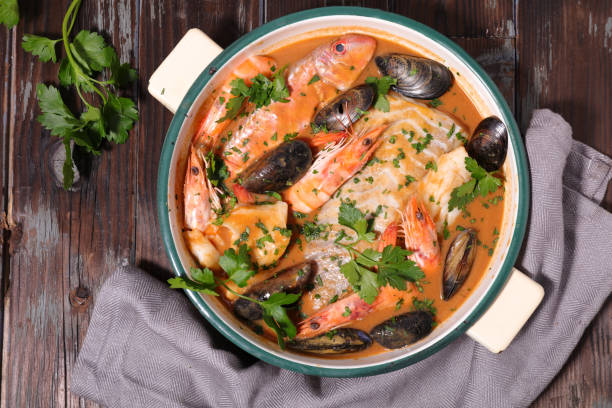
Bouillabaisse: A classic Marseille-style fish stew with assortment of fish and shellfish in an aromatic broth.
Socca: crispy outer crust with a slightly tender inside, this chickpea flour pancake is popular as street food snack
Salade Niçoise: a tuna, hard-boiled egg and tomato mix with olives and anchovies.
Tapenade – the perfect salsa made with olives, capers and anchovies to enjoy in a rustic bread.
The Olive Oil of Provence
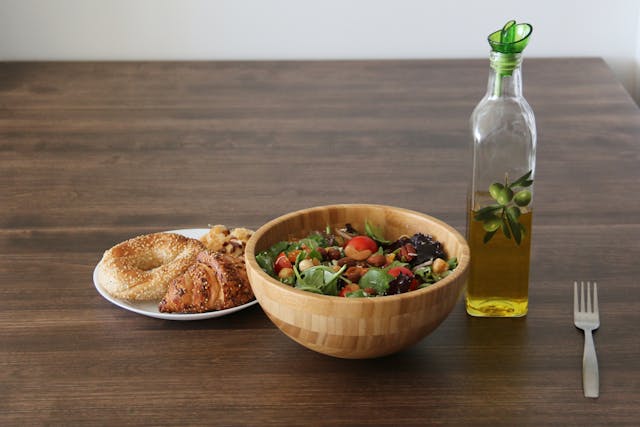
Provençal cooking is founded with olive oil. Its olive groves are home to some of the best olive oils on Earth, known for their fruity and peppery flavor profiles. This is the time of year when Nyons celebrates its Olive Festival (Fête de l’Olivier) with tastings, tours and culinary demonstrations.
The Wines of Provence
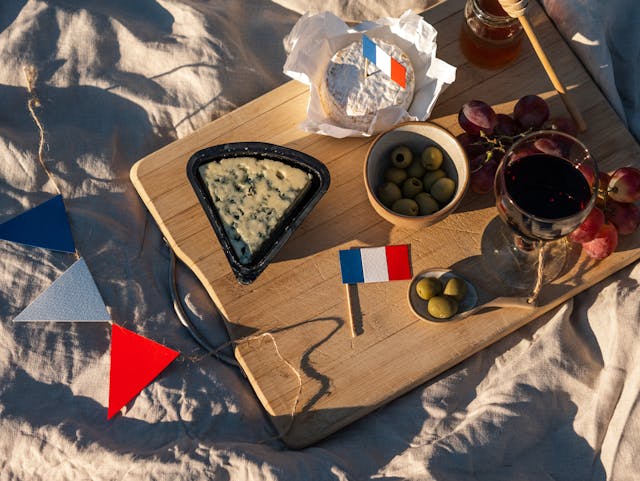
Provence is a land of wines as well, boasting some world-famous celebratory wines like rosés (famously light and dry), Local vineyard here, produces the correct tipple to pair with that Local Dish even better. One of the best things to do when visiting this region is one day trip from Avignon: visited SOME winehouse in Provence and enjoy its beautiful landscape.
Brittany: Coastal Delights
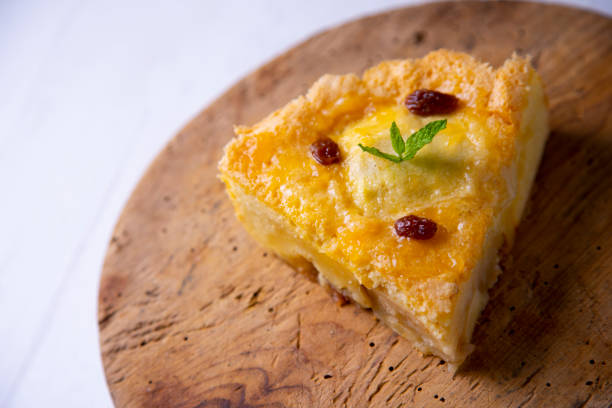
One Nord Pas de Calais Brittany Seafood and crepes are characteristic of this region in northwestern France. Its geographical coast means that the supply of fish and shellfish is usually fresh, helped by rolling countryside which produces some of the best dairy in the country. Some traditional Breton dishes of local food in France are:
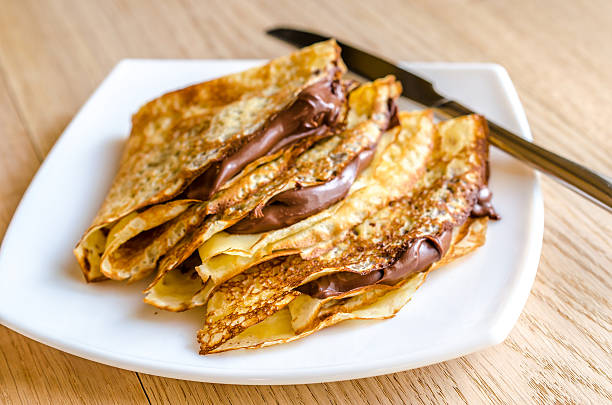
Crêpes: Sweet and Savory French-style thin pancakes served stuffed with ingredients such as Nutella, ham and cheese.
Galettes, which are not sweet pancakes but similar to crepe made from buckwheat flour and stuffed with Savoryogeneous things
Kouign-Amann: A sweet, cake-y buttery treat that takes a lot of time to make (and eat all too quickly!), with patches of crispy caramelized sugar on top; often called “the fattiest pastry in all Europe”
Moules-Frites: Mussels in white wine and garlic, accompanied by crisp fries.
Far Breton, a variety of clafoutis pud made with filled prunes.
The Seafood Bounty
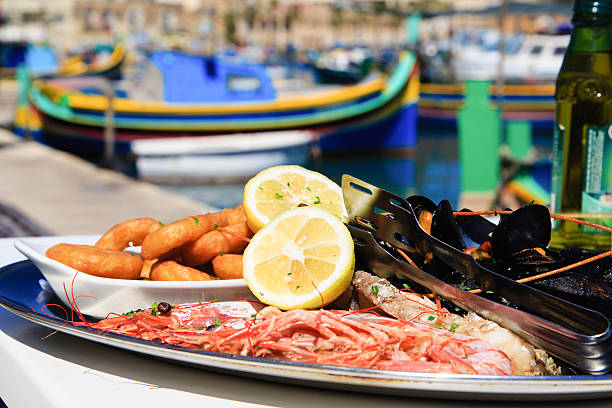
The local food in France’s seafood is known for its bounty due to the coastal waters around Brittany, it is an ideal destination both on land and at sea. The oysters of the area, especially those from Canceler have a salty flavor. In Riec-sur-Bélon, the incredibly festive Fête de l’Huître promises oyster tastings and music to celebrate the annual harvest of this special AOC.
The Tradition of Crêperies
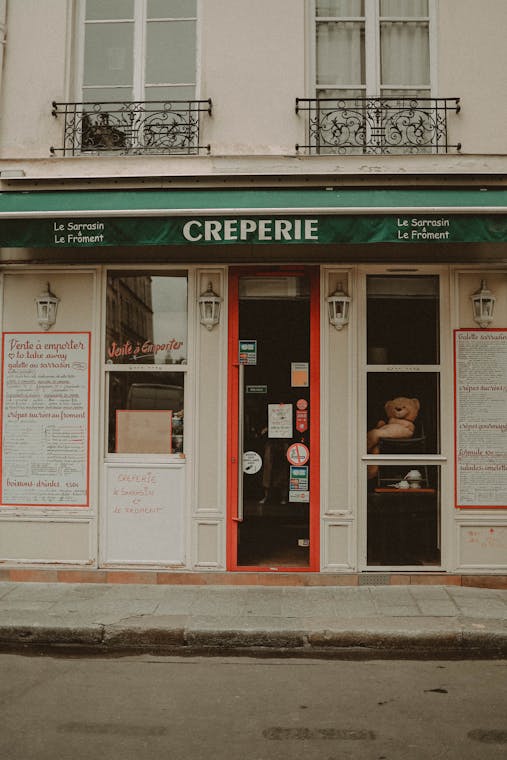
Bretons eat at crêperies. These quaint little restaurants serve either crêpes or galettes, enjoyed with a glass of local cider. Crêperies as a tradition go back centuries, and remain important on the culinary map of Brittany.
Alsace: Part French, Part German
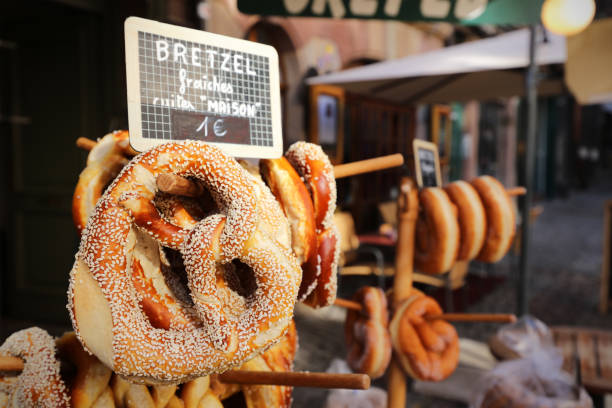
Up near the German border, Alsace is unique in having a cuisine that mixes French and Teutonic heritage. This area is renowned for its robust fare and fine vino. Famous local food in France’s dishes from Alsace are:
Continental choucroute garnie: sausages, pork and potatoes cooked with sauerkraut.
Tarte Flambée: A thin, crispy pizza-esqe tart topped with crème fraîche, onions and lardons.
Baeckeoffe: meat (often mutton), potatoes and vegetables slow cooked together in a ceramic dish.
Alsace Flammekueche: Creamier variation of tarte flambée, may include cheese.
Gugelhupf – A light, yeasted cake with almonds and raisins served often over coffee. Metadata.
The Wine Route
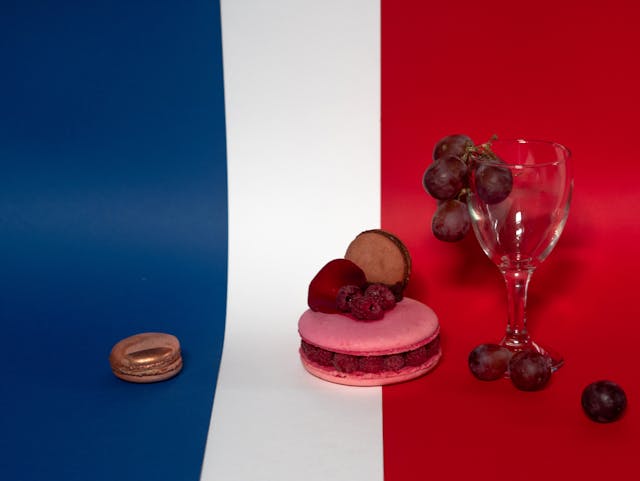
Route des Vins d’Alsace – one of the oldest wine routes in France visiting charming villages and vineyards. The local food in France’s wine is renowned for its white wines, especially Riesling and Gewurztraminer. Wine tastings and tours provide a closer look at the regional viticulture mad winemaking methods.
German Food Has Had an Influence
Alsace, as you may know is right on the border with Germany and this has made its mark on food in the region. They have created a culinary reputation as diverse and intriguing as dishes like choucroute garnie or baeckeoffe. In addition, the region produces a range of breads and pastries that combine this unique blend.
Lyon – The Foodie City of France
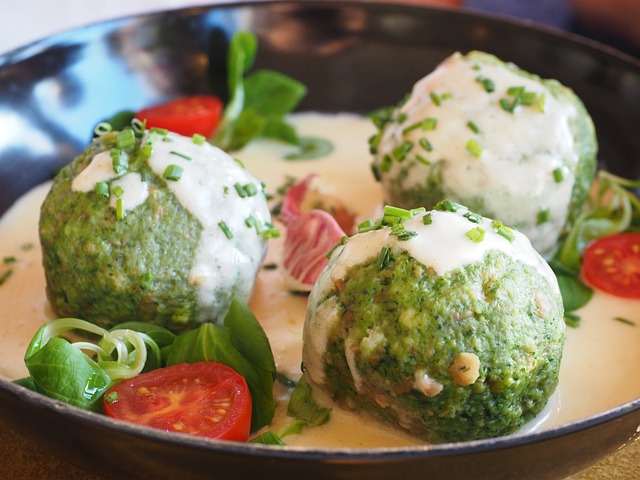
Lyon is the entertainment of the local food in France, with a popular cuisine and well-known chefs. This being a city famed for its bouchons (traditional Lyonnaise eateries filled with heaps of hearty, rustic fare). Key dishes from Lyon include:
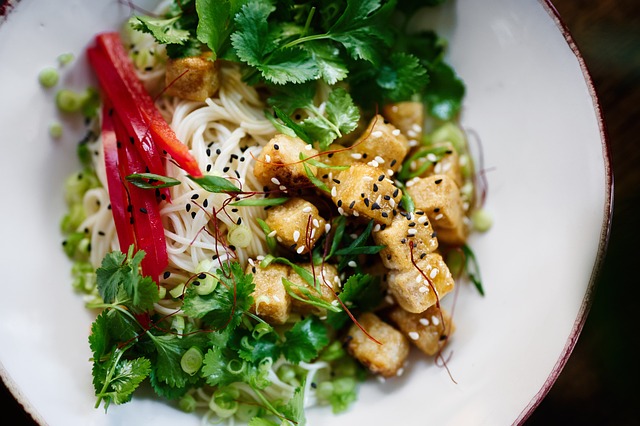
Quenelles: Fluffy mounds of fish or meat combined with a sauce.
Salade Lyonnaise – frisée lettuce, lardons, poached egg and croutons
Saucisson de Lyon: A dry cured sausage, traditionally served with potatoes or lentils.
Cervelle de Canut – a creamy cheese spread seasoned with herbs, garlic and shallots
Tarte aux Pralines: Deep pink in color, this tart is filled with sugar-coated almonds and has a super buttery crust.
The Bouchons of Lyon
Bouchons epitomise Lyon’s foodie heritage. These restaurants are generally small and informal, serving up classic Lyonnaise dishes in a convivial atmosphere. This makes Bouchons a favored dining experience among locals and tourists alike, as their hearty fare is known to be generous and the portions sizeable.
The Legacy of Paul Bocuse
Lyon, home to top French chef Paul Bocuse. He had a huge influence upon French cuisine, creating this legacy and functioning in contemporary food society through the Institute Paul Bocuse. His celebration of top-quality local ingredients and exacting French traditions is fundamental to the gastronomic renown that has made Lyon a byword for culinary excellence.
Dairy and Apples in Normandy
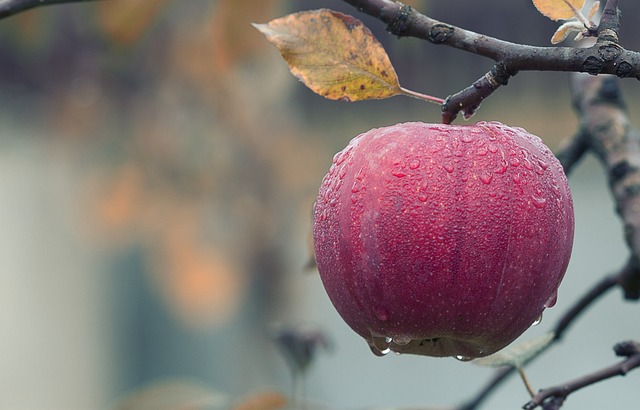
Normandy, the local food in France North-Western Cuisine Known for Their Dairy Products and Anything with Apples This is the land of rich and tangy Puglian cuisine made from naturally derived products right up to its luscious pastures and bounteous orchards. Key dishes from Normandy include:
Camembert: Soft, creamy cheese with a strong aroma and mild earthy flavor.
Tarte tatin: An upside-down caramelized apple tart, often served with a scattering of crème fraîche.
Moules à la Normande: Mussels with Apples, Cream & Cider.
Poulet Vallée d’Auge: chicken cooked with apples, cream & Calvados (local apple brandy)
Teurgoule: A variant of rice pudding that is slow-cooked and flavored by cinnamon, definitely perfect for a desert!
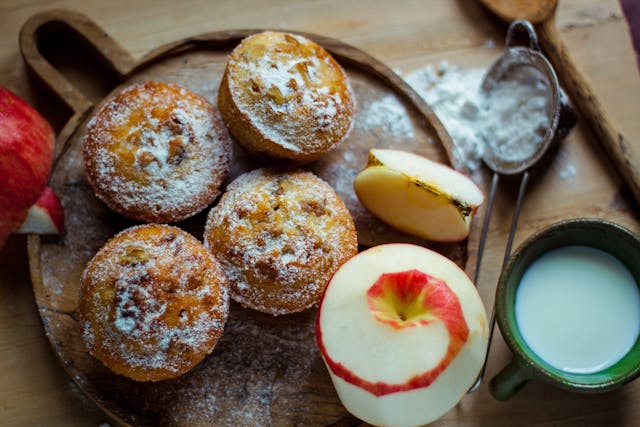
Normandy the area also happens to be famous for its dairy, butter & cream as well a whole host of cheeses. The fertile grassland is suitable for raising dairy-breed cattle. Experience Normandy A la Française at the Fête du Fromage in Livarot with several cheese-tastings, demonstrations and competitions during their annual event.
The Cider Route
The Cider Route of Normandy is a beautiful route that passes through apple orchards and cider houses, The cider is crafted from apples grown locally and varies between drier to sweeter styles. The Cider Route provides a charming and educational way to visit amazing cideries.
The Loire Valley, garden of France
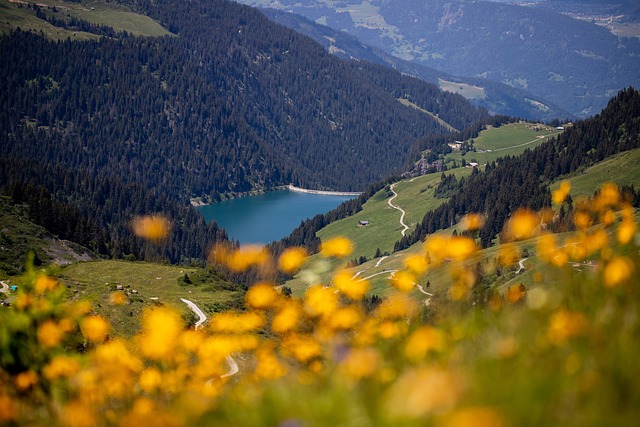
The local food in France’s Loire Valley, nicknamed the “Garden of France”, is credited for producing great amounts of produce due to its fertile land. Cuisine in the region is renowned for being simple and using lots of local, fresh ingredients. Signature Dishes from Loire Valley-
Rillettes – A paste made of heartily cooked pork or duck and served on bread
Local Apple Tarte tatin: A version of the traditional apple pie upside down
Sandre en Sauce Beurre Blanc: Butter-and-white wine-braised pike-perch fish
Fouace: A soft type of slightly sweet bread often flavored with anise.
No one can resist a pithivyer – it is such dessert!
Châteaux and Their Gardens
Along the Loire River, there are many châteaux which still have enormous gardens and produce plenty of fruit, veges (vegetables) and herbs. These gardens have been providing ingredients for the local cuisine since times immemorial. Sources: The Château de Villandry is known for its perfect gardens, including those of vegetables and herbs.
Influence of the Loire River
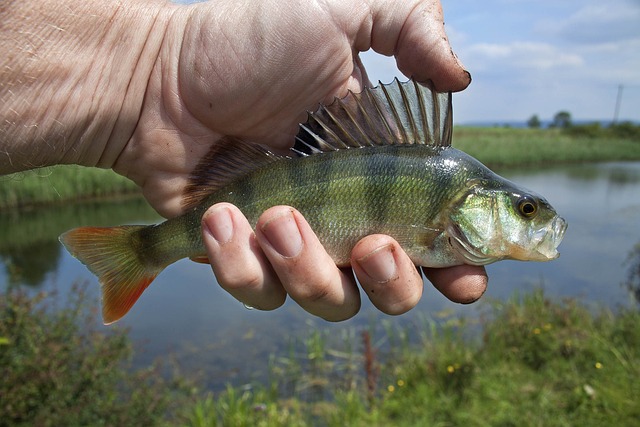
Loire River – the Humanitarian Machinery of Agriculture & Culinary Properties in this Region. Its rich, fertile floodplains provide excellent conditions for a variety of crops to be cultivated. The Loire is also one of the largest freshwater fish producers in France, providing various ingredients for local specialties.
Bordeaux: Wine and Food Harmony
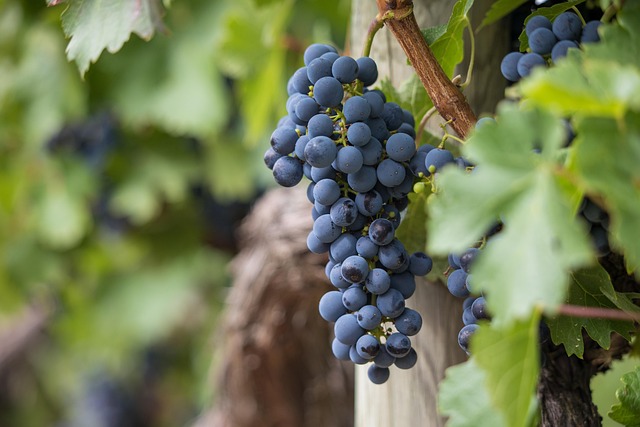
The local food in France’s city of Bordeaux is located in southwestern France and is known for its high-quality wineries, great food. Close to the Atlantic Ocean and surrounded by rich vineyards, it’s not surprising that much of the cuisine in this area is based around seafood. Signature Bordeaux-style dishes include:
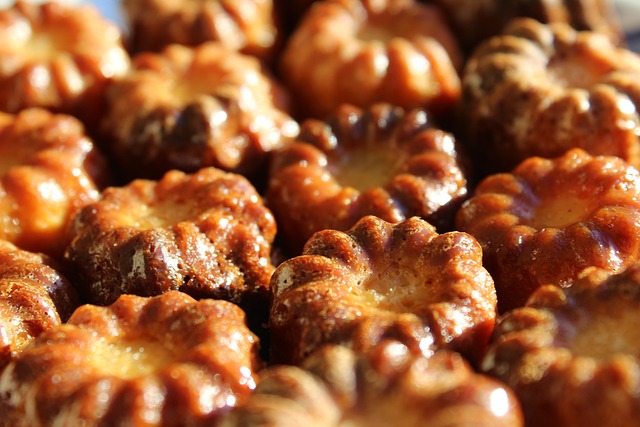
Canelé: A rich, sweet flavored small French cake. -image
Entrecôte à la Bordelaise: Typical Bordeaux dish of rib steak with a red wine and shallot sauce
Lamprey à la Bordelaise — a traditional lamprey eel dish simmered in red wine and served with leeks and onions.
Huîtres du Bassin d’Arcachon (fresh Arcachon Bay oysters with a lemon wedges)
French Farcis Bordelais: vegetables filled with an aromatic, breadcrumb and meat mixture baked to perfection.
The Vineyards of Bordeaux and fine wines go hand in hand, with the region’s vineyards being responsible for some of the greatest bottles on Earth. The Bordeaux Wine Route enables visitors to visit vineyards, meet winemakers and taste a number of wines. The cuisine is rich and flavorsome, so the local wines are a good fit.
Bordeaux benefits greatly from the Atlantic Ocean, which keeps its seafood well and abundant with oysters, mussels and all sorts of fresh fish. The cuisine of the region is also influenced by its coastal location, the local food in France’s fresh seafood caught and quickly cooked creates a natural focal point for many dishes. With a seafood farmer, boat rides, and live music aplenty the annual Fête de la Mer in Archachon celebrates all things ocean bounty!
Mediterranean Tastes: The French Riviera
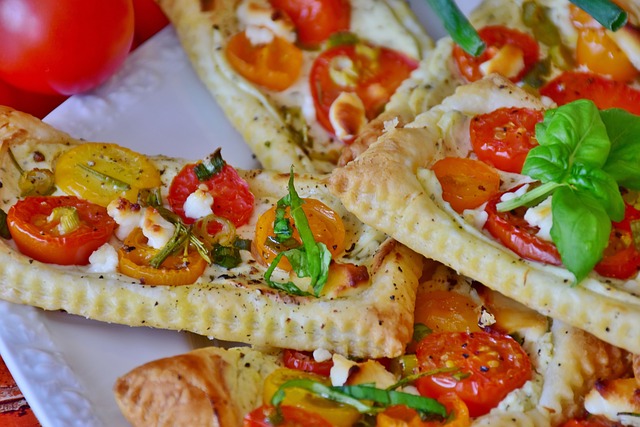
Mediterranean lunch on the French Riviera (Cote d’Azur) Its warm and sunny climate coupled with its coastal proximity bring an assortment of fresh produce, seafood being one of the bountiful resources. The French Riviera never fails to please and when you taste these Key Dishes, locavore dining will be the order of the day!
Meaning of Salade Niçoise: It’s a lovely salad with tuna, hard-boiled eggs, tomatoes olives and anchovy.
Socca- a crispy on the outside, soft in the middle chickpea flour pancake and usually eaten as street food.
Bouillabaisse – a traditional Marseille fish stew made with various fishes, crustaceans and a flavored broth.
Pissaladière – Traditional pizza-style dish of caramelized onions and anchovies.
local food in France’s Ratatouille. a vegetable medley of eggplant, zucchini, bell peppers and tomatoes which seasoned with herbs de Provence.
How the Mediterranean Diet Works
local food in France’s Mediterranean, this area has food with a lot mediterranean influences and you can see that reflected in its airplane meals. The regional cuisine makes use of olive oil, fresh herbs and seafood. Healthy fats: Olive oil Fresh produce Whole grains Prerequisite; The Mediterranean Diet is an essential part of the Riviera’s culinary Discovery.
The Markets of Nice
Nice Markets. A great selection of fresh produce, cheeses and prepared foods is available at the nice markets which are a food lover’s dream you can read more about them here One of the highlights is, ANYWAYS&… the Cours Saleya market well known for its colorful fruit and vegetable displays. Included in this is a visit to local markets where you can taste typical regional foods.
Corsica: Island Flavors
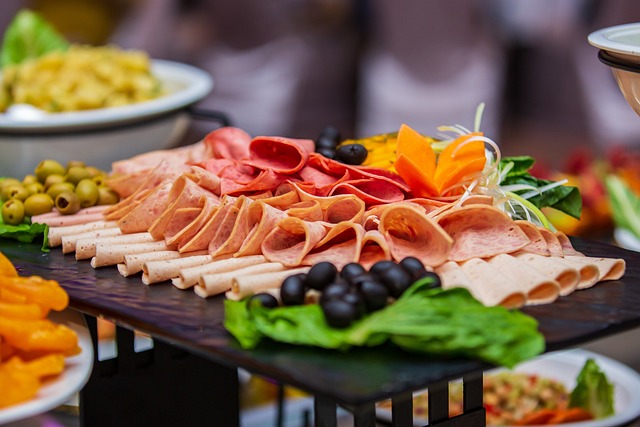
The island of Corsica in the mediterranean sea has a special gastronomy and they mix French as well Italian influence, with their very own Flavors. The island is full of mountains, and the land is fertile so dromodas have a lot to choose from. Found on the mountainous French island of Corsica, these are some basic foods.
Charcuterie: cured meats such as figatellu (liver sausage) and prisuttu (cured ham), etc.
Brocciu: A fresh cheese made from sheep’s milk, commonly used in sweet and savory recipes.
Civet de Sanglier (a wild boar casserole with red wine and herbs)
Fiadone (a traditional Corsican cheesecake using brocciu, lemon zest and sometimes brandy to flavor)
Canistrelli: Crunchy aniseed biscuits, great for dipping in your coffee or glass of wine.
Impact from the Italian kitchen
Italy is only a stone throw away, so Corsican food has been quite affected by it. Pasta, and polenta rendered with olive oil are dietary staples of Corsicans. Cured meats and sausages are very important elements of the island’s charcuterie, strongly influenced by Italy.
The Unique Ingredients of The Island
The complex topography of Corsica, with its mountainous terrain and rolling valleys to the mountains cape that dominates much of it, is littered with indigenous plants. The island is proud of its aromatic wild herbs: myrtle, and rosemary that appear as key ingredients in a row of very traditional dishes. Chestnuts Chestuts are a big part of the Corsican diet, and come in many forms from chestnut flour used for making bread to roasted chesnts put into meat or vegetable stews.
Classic French Cooking Techniques
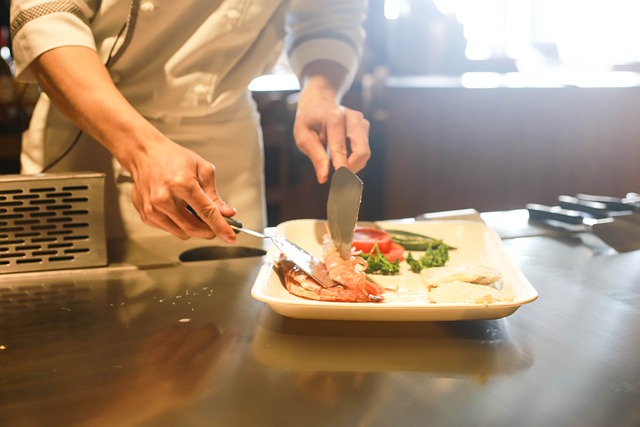
French Cuisine Wherein it is sophisticated and a number of the techniques used have been honed for hundreds of years. You need to understand these techniques in order to truly appreciate French cuisine, its complexity and skilled work on it.
Sautéing and Searing
Finishes Of Sautéing or SearearSauce – In French technique These techniques use high heat and either you cook the food fast in a little bit of fat, thus getting that crispy brown exterior. Sauté is typically for vegetables and sear most often for meat.
Braising
Braising is a great technique to use for cooking items of food requiring long, slow cooking at low temperature. This is the process frequently used for cuts of meat higher in muscular content which are then cooked until moist and flavorful – such as brisket. There are the all-day French braised meat dishes, called coq au vin and boeuf bourguignon.
Deglazing
The process of deglazing is done when you sear or sautè some food and add liquid to the pan, this allows us to pull up all that incredible flavor an create a delicious sauce. Wine or broth is poured into the hot pan, and it scrapes up all the browned bits on the bottom of the skillet (referred to as “fond”) This is a staple in many French sauces.
Emulsifying
Emulsifying: Combine two liquids that would not normally mix (think oil and vinegar). To accomplish this, a liquid is used to whisk or blend with another that has an emulsifying agent., such as mustard (see). These sauces were essentially emulsified French classics like mayonnaise or hollandaise.
Sous Vide
What is sous vide Sous vide (which means under vacuum) is a contemporary cooking method that requires vacuum-sealing the food in plastic bag and then cooking it at low temperature within water bath. In this way, it will cook uniformly and only keep the sustenance dampness which is unfathomable for flavor. While sous vide is a French method, it has extended all across the globe.
French Pastries and Desserts
These are not only best in taste; they also have a great presentation (plus everyone loves French pastries). Sweet macarons, so fragile to prepare at home but not when French artisans do them in style and of course chocolate mousse!
Macarons
Macaron refers to a sweet meringue-based confection made with egg white, icing sugar, granulated almond and food coloring that consists of two halves sandwiched together by making butter cream or jam. A staple of French patisserie, they are little colorful confections that come in a range of Flavors from classic vanilla to exotic passion fruit. Macarons are some of the most finicky cookies to bake, needing meticulous measurements and techniques.
Éclairs
Éclairs: Pastry cream filled choux dough and topped with a glossy glaze. Chocolate and coffee are the most commonly seen among Flavors, but the modern varieties have now expanded to salted caramel, raspberry, rather than Flavorful May includes matcha. Choux pastry has a lovely crispy texture and, combined with the creamy filling of éclairs, it is really tempting!
Mille-Feuille
The mille-feuille (meal-foy) is a French pastry whose name translates to “thousand leaves,” referring to the many layers in its puff-pastry crust. Masking is a type of glaze that coats it from the top, commonly used with fondant and adorned along chocolate or caramel. Mille-feuille translates to “a thousand leaves” in French which points at the thin texture of the dough.
Tarte Tatin
Tarte TatinUpside-down caramelized apple tart, named after the sisters who claimed its invention. Apples are cooked in butter and sugar till caramelized, then covered with pastry dough before the whole thing is baked. Right before serving the tart is inverted onto a plate showing off those gorgeous caramelized applySEGMENTS.And as promised, ->
Chocolate Mousse
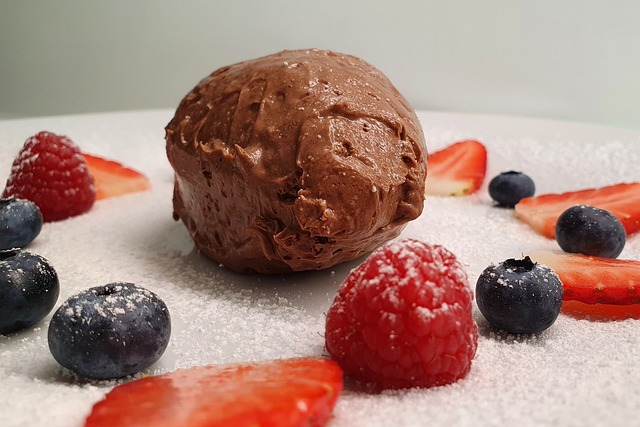
Chocolate mousse Melted chocolate and sugar are cooled, mixed with egg yolks before beaten up whites joined to produce a typical light airy dessert. That balance is the key to a perfect mousse. It is typically served in small cups, topped with whipped cream, berries or chocolate shavings.
The Cheese Course in French Cuisine
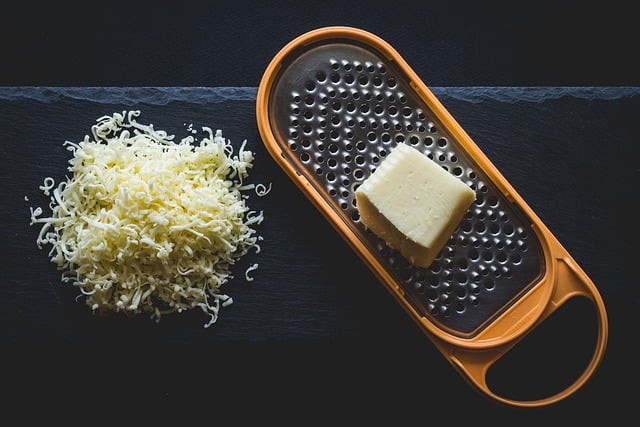
There are more than 1,000 strains of French cheese: Cheese is a huge part in the diet from France. Classified from soft and creamy to firm-aged, French cheese is known for its range of varieties and high quality.
The Cheese Course
Cheese is a separate course in France, served either before the dessert or as the last course. The cheese course is usually a selection of different cheeses served with bread, and sometimes fruit (and nuts). Cheese is best served at room temperature to bring out its flavor and texture.
Famous French Cheeses
Camembert (A Normandie, soft cheese with strong smell and earthy flavor)
Brie – A soft cheese with a creamy interior and bloomy rind, usually eaten in combination of fruit and bread.
Roquefort: A type of blue cheese, made from sheep’s milk; its tangy and sharp flavor is crumbly in nature.
Comté: A hard, aged cheese with a nutty slight sweet taste that is made in Jura.
Chèvre — A general term for goat cheese, available in fresh to aged variations and Flavors.
The Art of Cheese Making
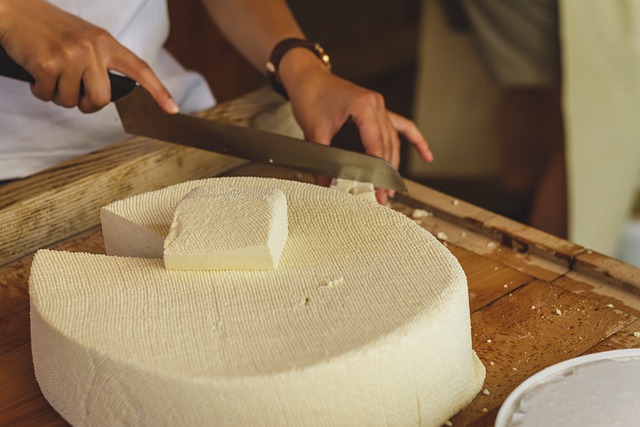
Cheese making is an art and a science that requires meticulous techniques and close attention to quantity. First, high quality milk is heated and combined with cultures and rennet to coagulate into curd. After having been treated in hot water and inoculated with lactic acid bacteria, the curds are cut, drained & lightly pressed to remove whey before being aged.
French Wine and Food Pairing
The local food in France’s one of the most fundamental and compulsory components of French food is wine / drink pairings that reflect both flavors in a dish (some sauces call for certain wines) as well as qualities found on each region. With vineyards stretching from the Gironde River to Beaujolais, and including runs of France’s 59 islands as well as an array Mediterranean island appellations filled with style; French wines boast a wide range of styles that reflect terroir.
Bordeaux Pairings
Their unique flavors can easily complement rich foods and they also offer an amazing complexity which is a characteristic of Bordeaux wines. Classic pairings include:
Red Bordeaux: Roast meats, game and strong cheeses.
White Bordeaux (picture): Great pairing with seafood, chicken and creamy sauces.
Sauternes: Sweet wine to accompany foie gras, blue cheese and desserts.
Burgundy Pairings
Elegant and restrained are two words that encapsulate what makes Burgundy wines so unique. Notable pairings include:
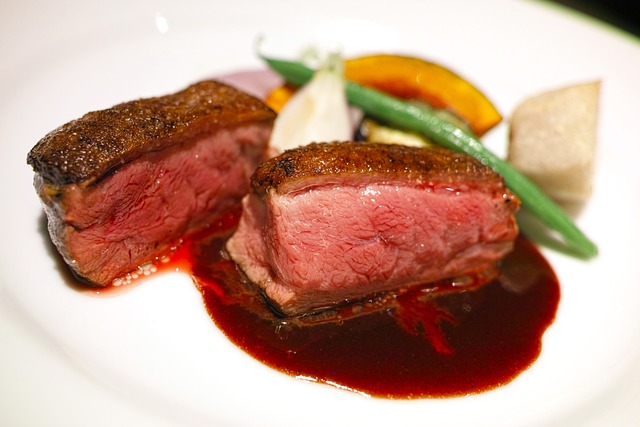
Red Burgundy: Match for Duck, Lamb and Mushroom dishes.
White Burgundy: Fish, shellfish and white meats served with rich creamy sauces
Chablis: A lean, limestone chalk wine; just the thing to drink with a plate of oysters or crab.
Champagne Pairings
Champagne – goes well with all dish Classic pairings include:
Brut Champagne: Best with seafood, caviar and light hors doeuvres.
Rosé Champagne — pairs well with duck and salmon, as well as fruit-based desserts.
Demi-Sec Champagne — Drink with Pâté, Cheese or Desserts
How French Cuisine Began
That is, due to historical events and cultural conflicts in addition to progress in the field of cuisine technology: French dishes have come a long way over centuries. French cuisine has a wide range of styles that vary by region, but ultimately still weave the complex tapestry of French culture through its grand royal banquets to rustic village meals.
The Influence of Royal Courts
The local food in France’s cuisine started to become associated with luxury and sophistication in the time of Louis XIV. Feasts and banquets were grandly held at the palace of Versailles, daintily presented by courtier chefs. This was the golden age of French cooking, and many recipes are classic French technique which is still used today.
The Rise of the Bistro
A move toward more relaxed dining can be charted from the bistro to our present-day experience started in 19th century. Bistros were where French food was made affordable, with unpretentious but satisfying dishes that resonated with a broader public. They be exposed in bistros, the informal restaurants that blossomed along Parisian back-streets and became filled with all forms of locals – it from here forward to day-by-day French dishes like coq au vin as well as boeuf bourguignon obtained their start.
The Nouvelle Cuisine Movement
French cooking changed with the Nouvelle Cuisine movement of the 1960s and 1970s. The techniques remained traditional but chefs such as Paul Bocuse and Michel Guérard promoted lighter, healthier recipes with an accent on robust flavors from high quality produce. This trend including a much more rightful boost display, and perhaps place setting the lane for modern-day French bed application.
Modern French Cuisine
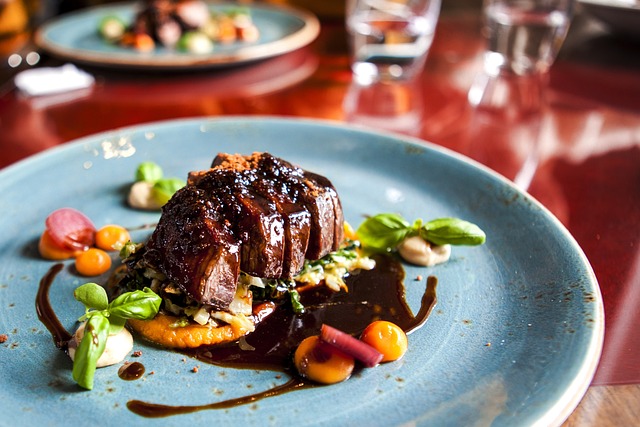
French cuisine has continually evolved, with traditional techniques blending into the modern culinary landscape. From global Flavors to molecular gastronomy and sustainable practices, these chefs are pushing culinary boundaries in more ways than one. But the basics of French cuisine ingredients, execution and voluptuousness are intact.
Conclusion
The local food in France’s cuisine is a colorful tapestry of Flavors, traditions, and Modernism. From the homely Lyon dishes that are the bedrock of Lyonnaise cuisine, to Flavors of the French Riviera inspired by Mediterranean terror. Eating local food in France, is more than just eating, it’s getting a glimpse of the culture as well and you can by immersing yourself into her strong held traditions. Whether a simple baguette wouldn’t do any harm or you are dining through an elaborate feast in Provence, the gastronomic pleasures of France will definitely catch your fancy.